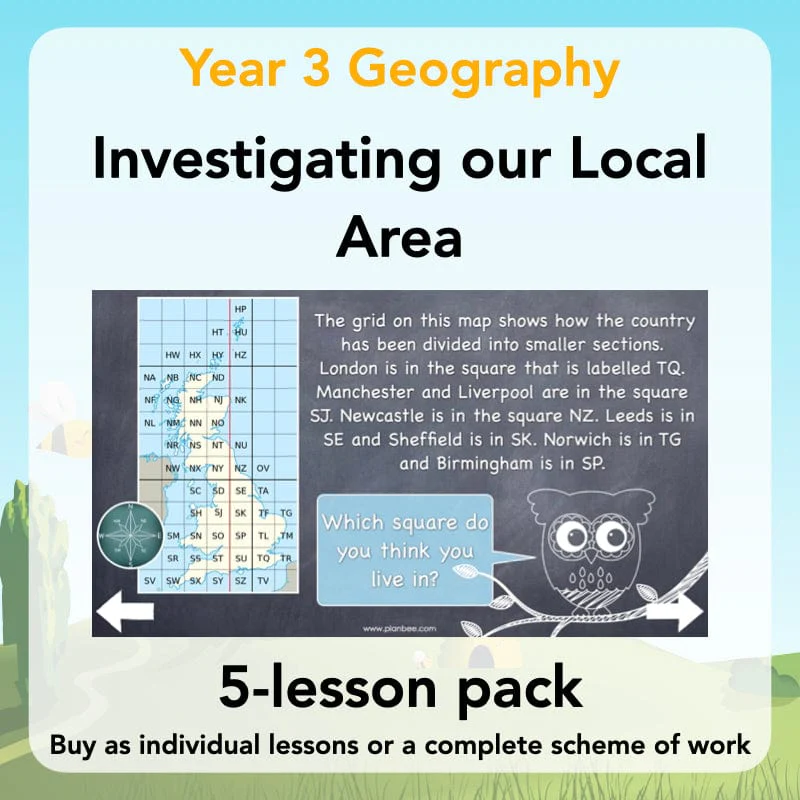
Investigating our Local Area
Encourage your class to take a closer look at their local area as they explore different features of the community.
Start by using maps to spot familiar places and give directions to and from local points of interest then teach children the difference between physical and human features. Putting their geographical skills to the test, your class will have the chance to examine services in the local area and create a survey of jobs and travel. Finally, consolidate their knowledge by asking them to evaluate their local area and provide information for visitors and tourists. These investigative lessons contain everything you will need to teach this scheme of work, including lesson plans, slides, activity ideas and differentiated worksheets. You might be interested in our 'My Diverse Community' PSHE scheme for Year 3, which teaches children how to work together to care for the people and places in their communities.
Where Are We?
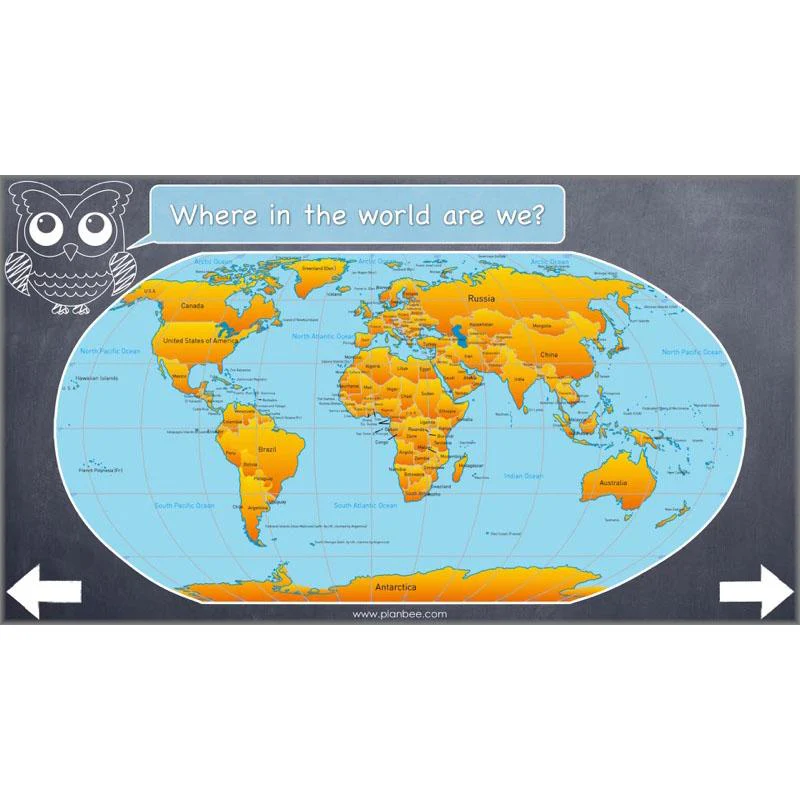
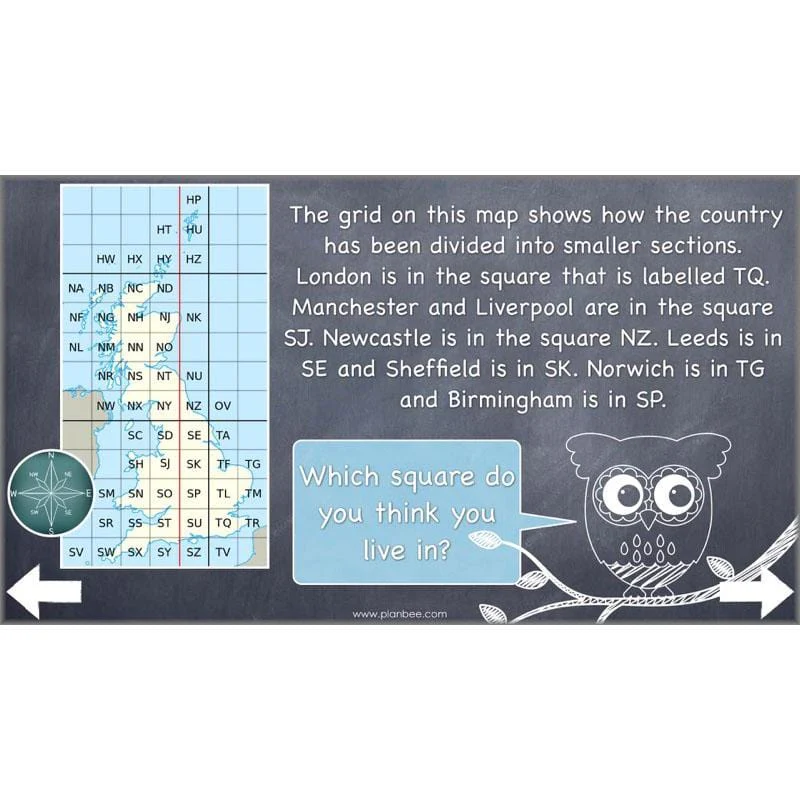
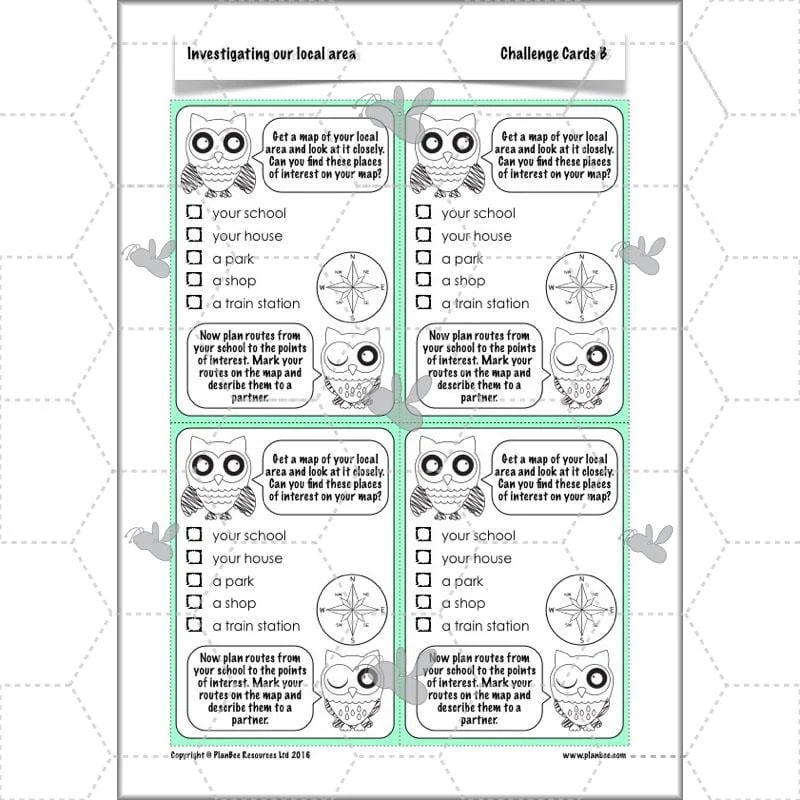
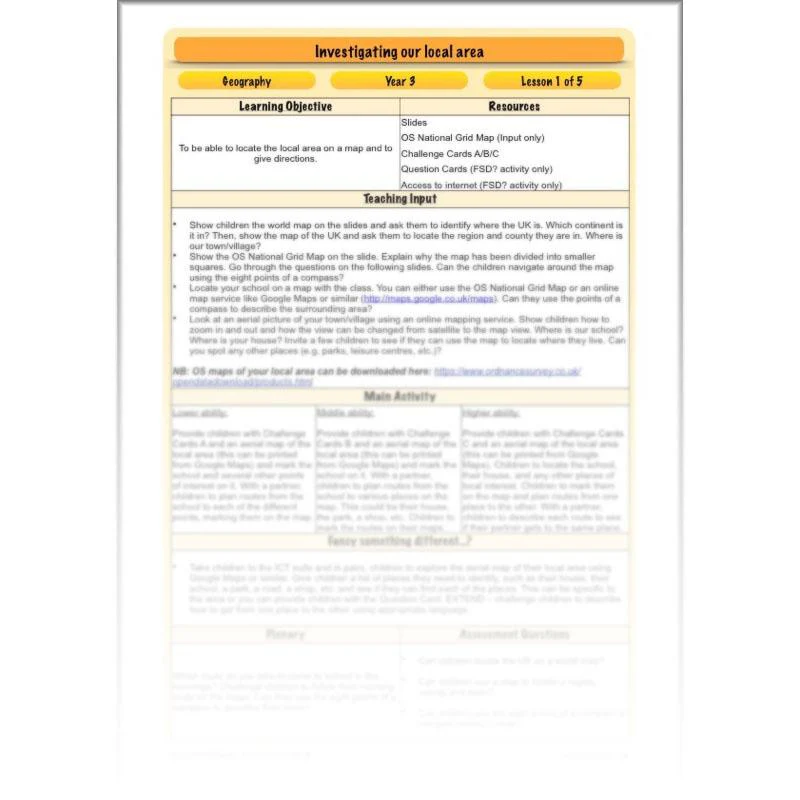
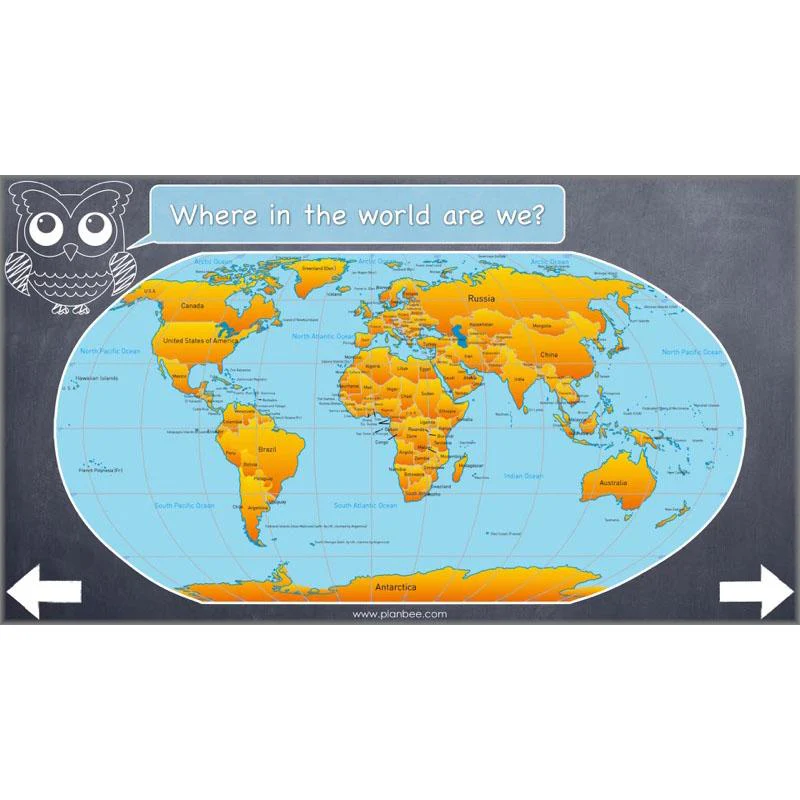
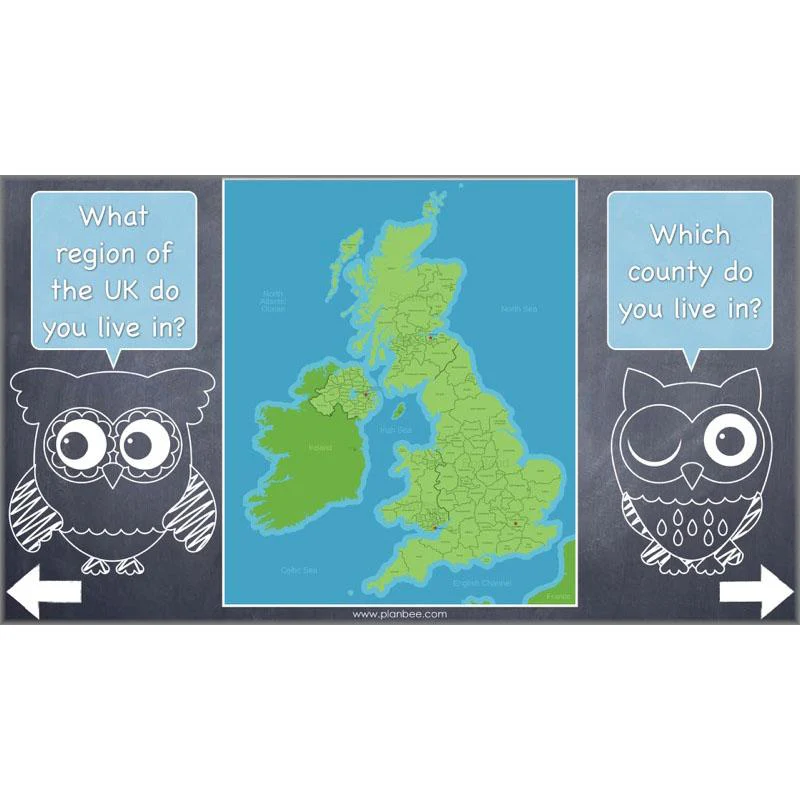
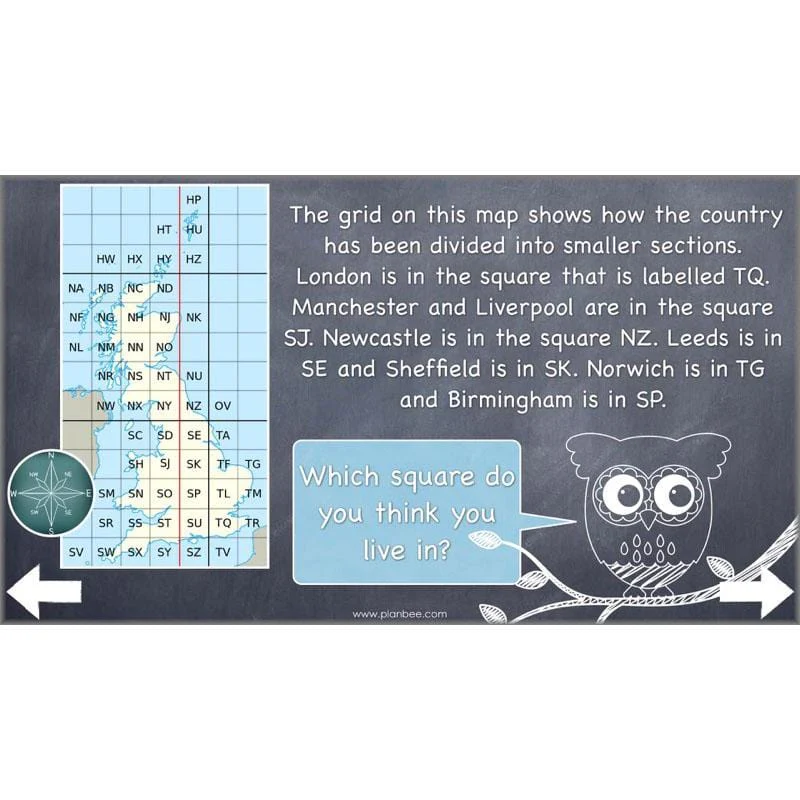
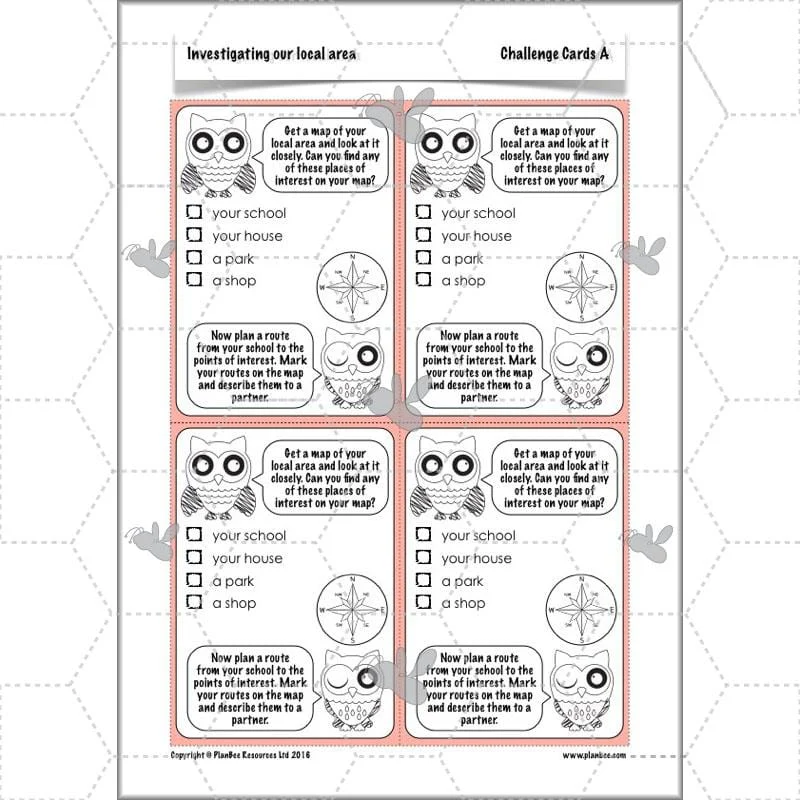
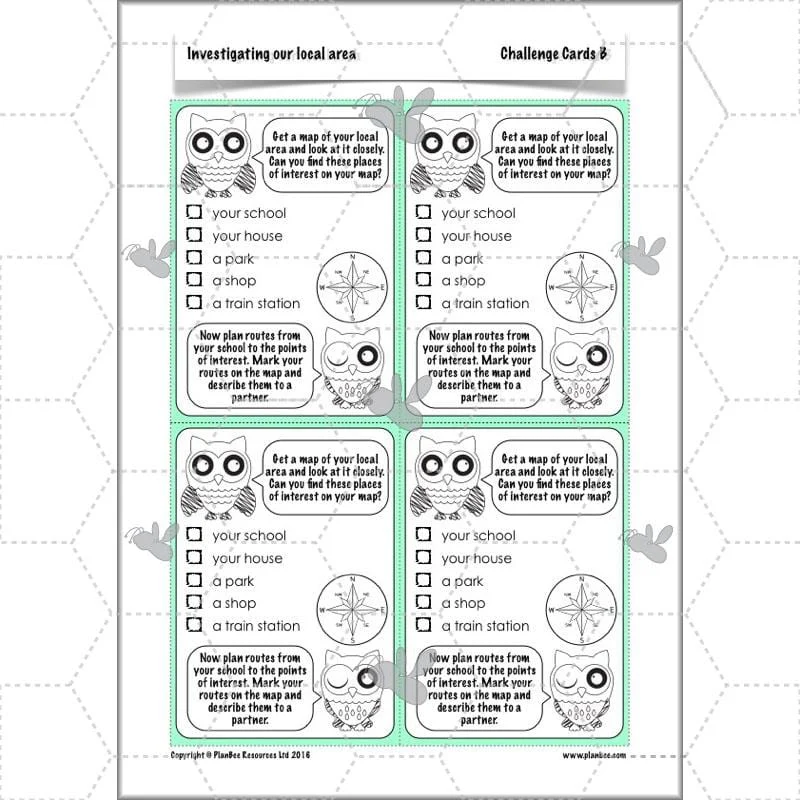
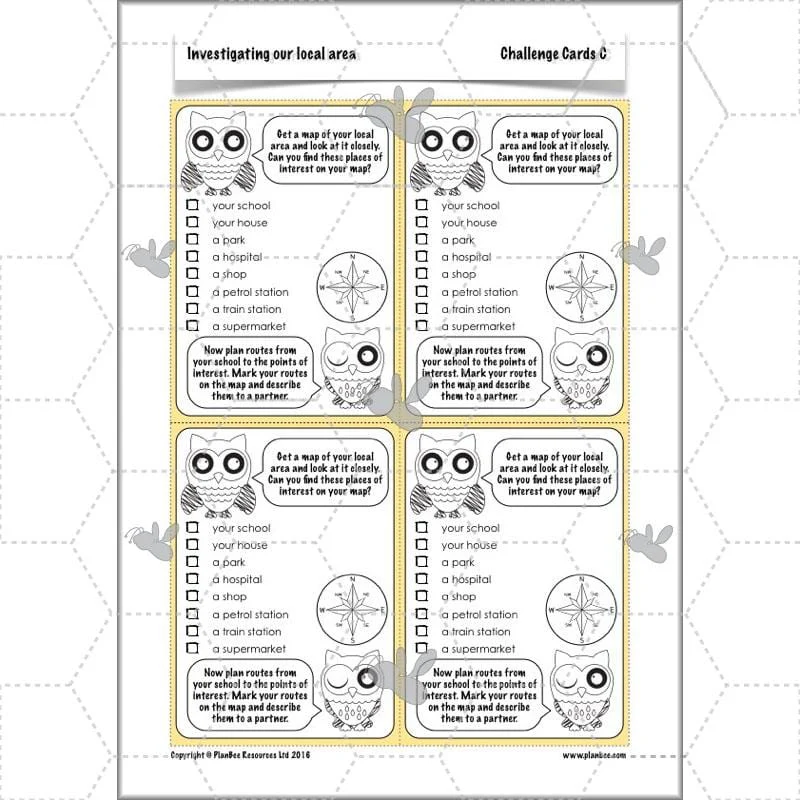
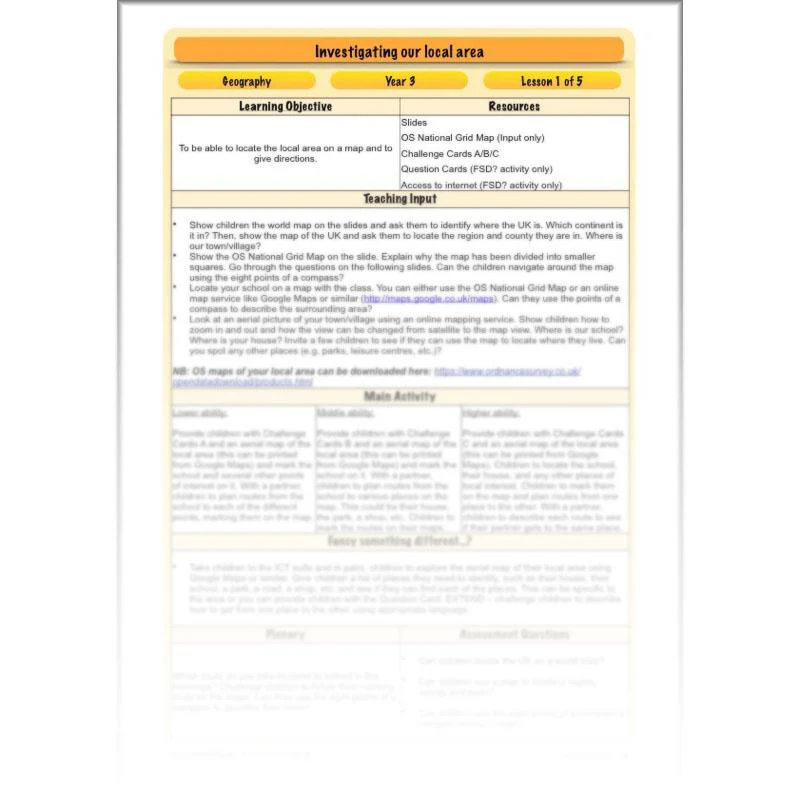
This first lesson aims to teach children where exactly in the world they are by identifying their continent, country, region and county. Your class will then have the chance to use a map and compass points to give directions to and from local places of interest.
What's included:
- Lesson plan
- Slides
- Activity ideas
- Challenge cards
- Question cards
Human and Physical Features
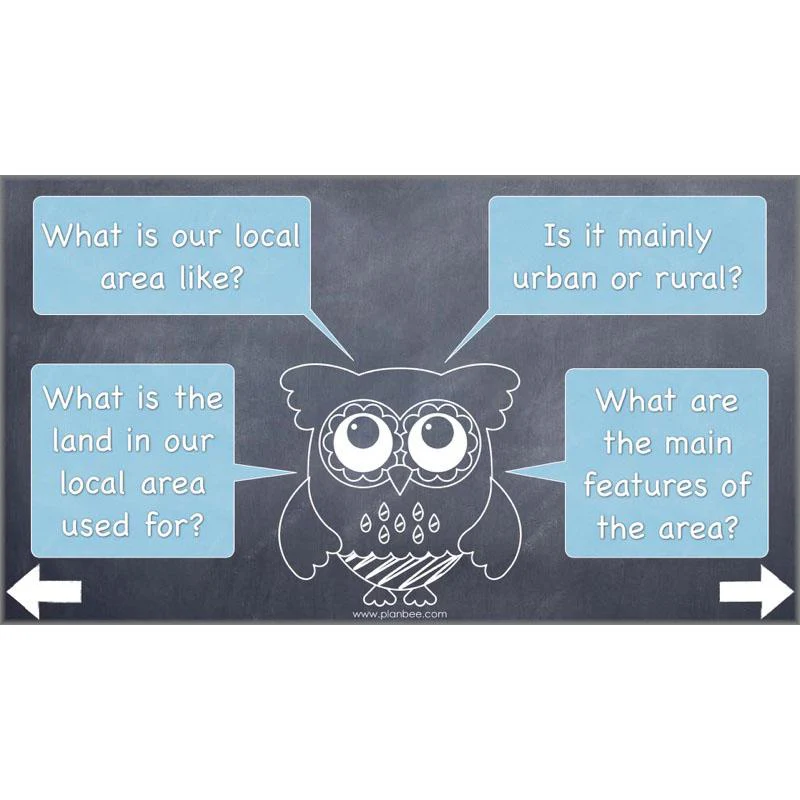
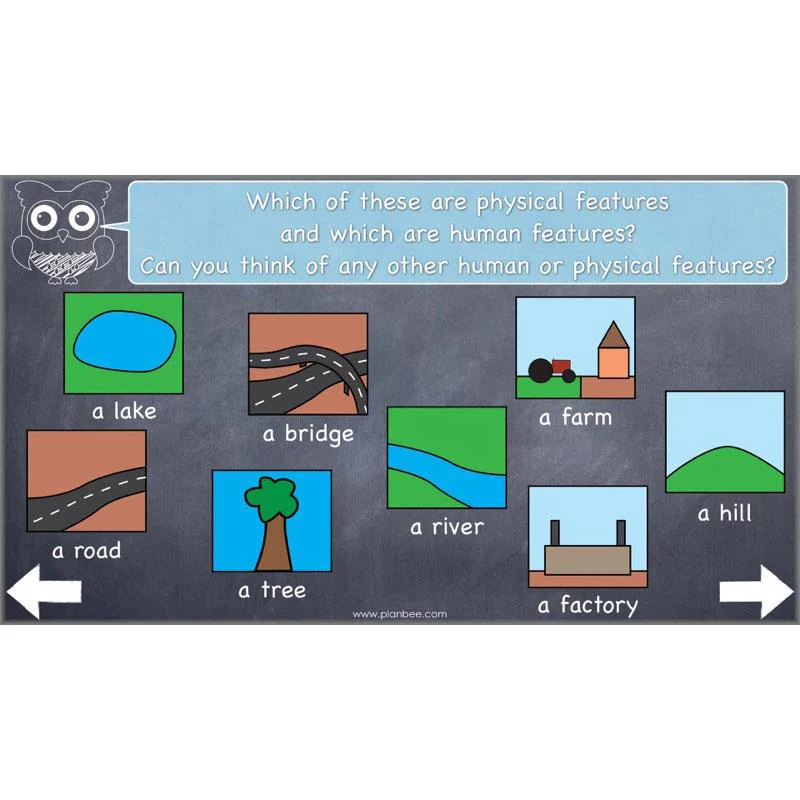
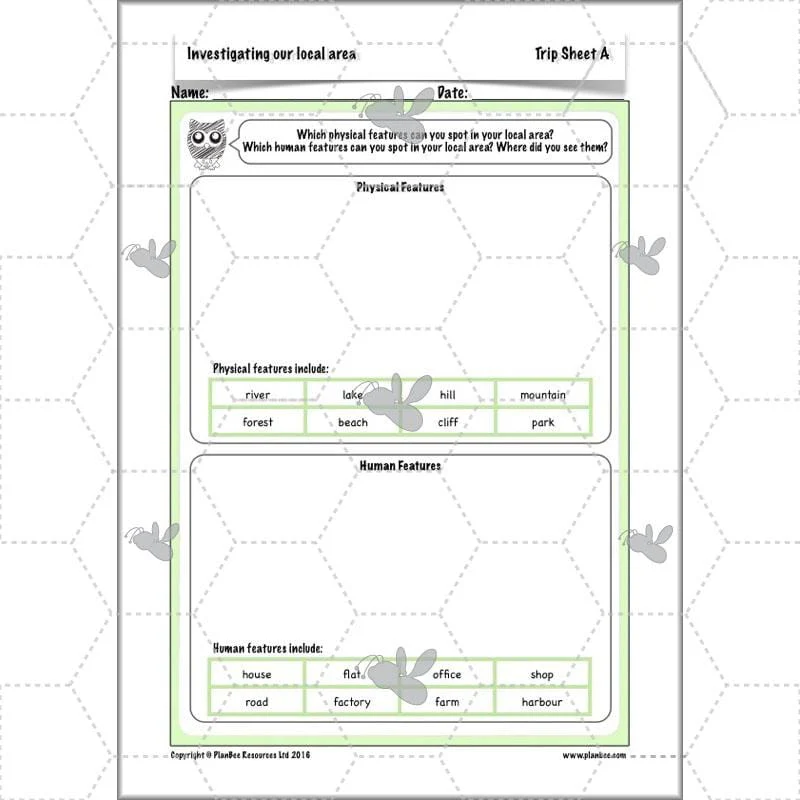
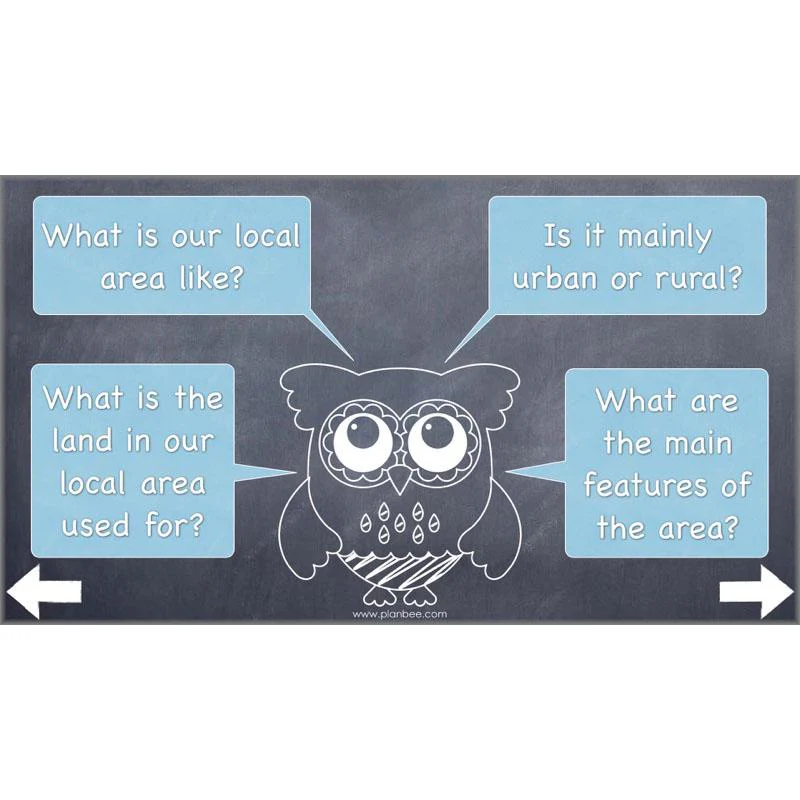
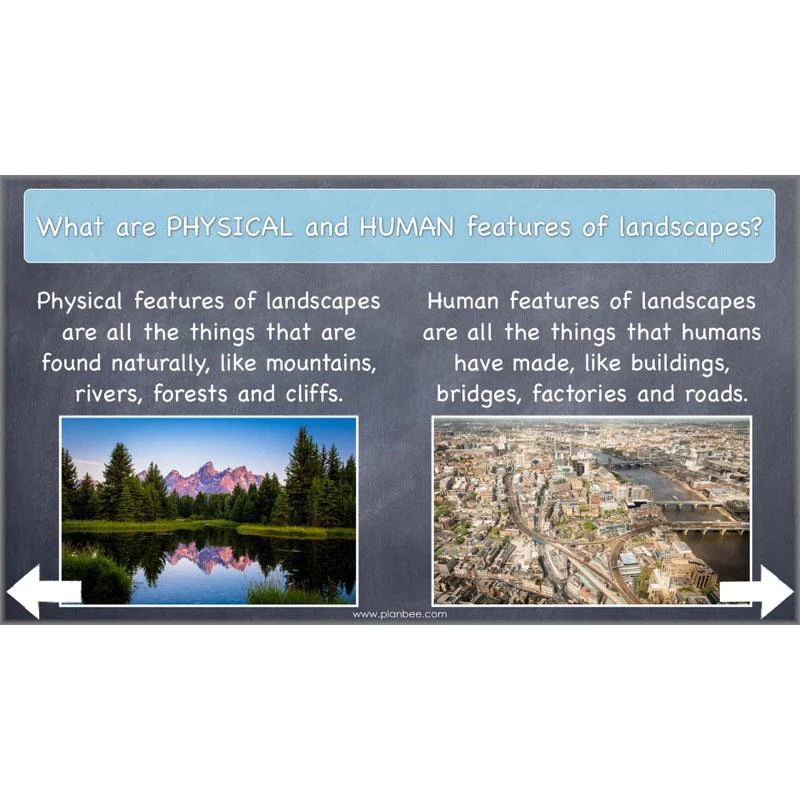
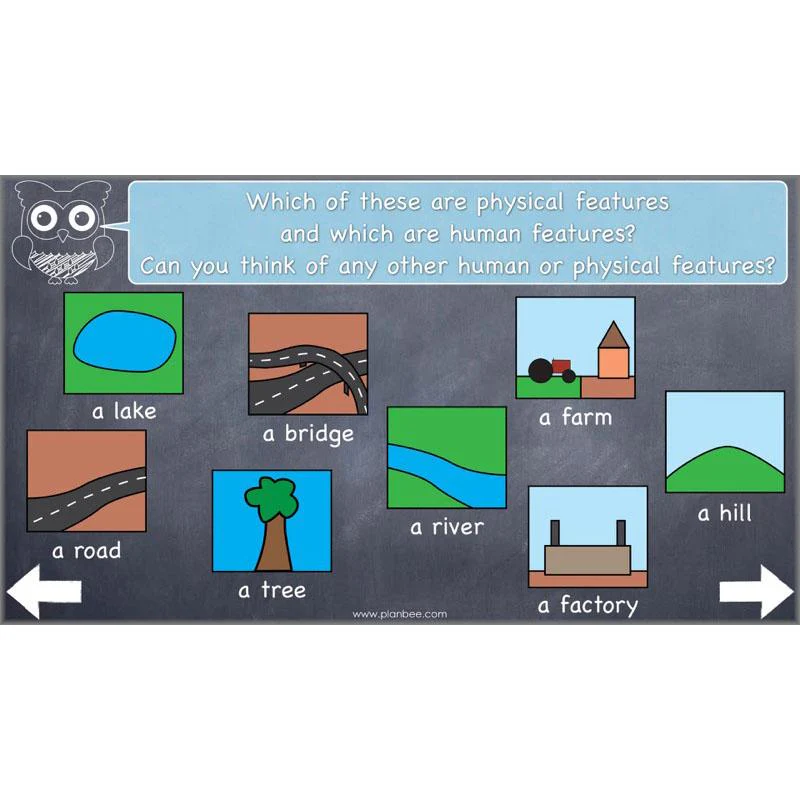
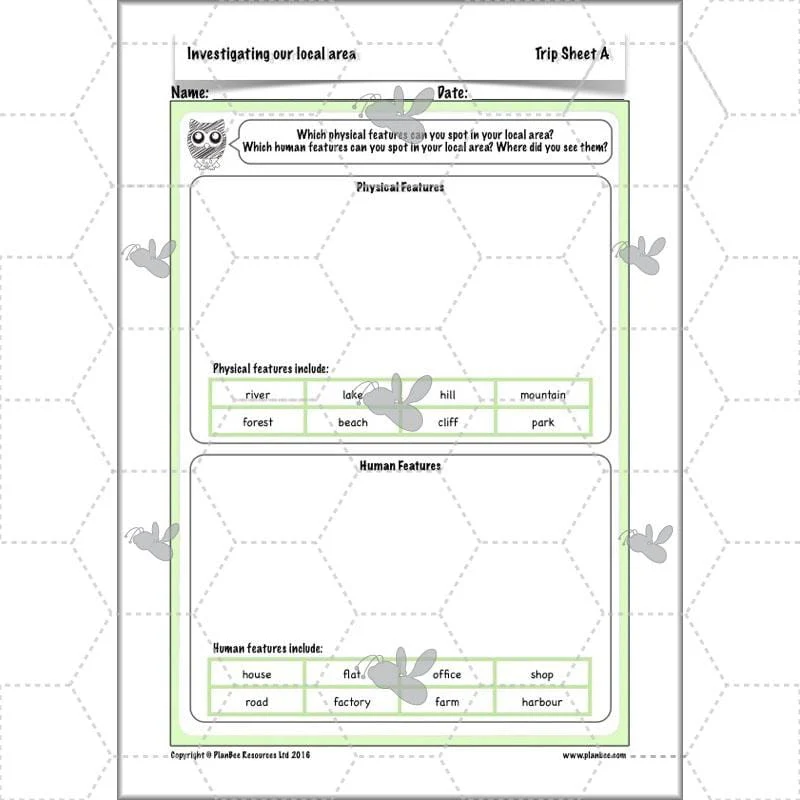
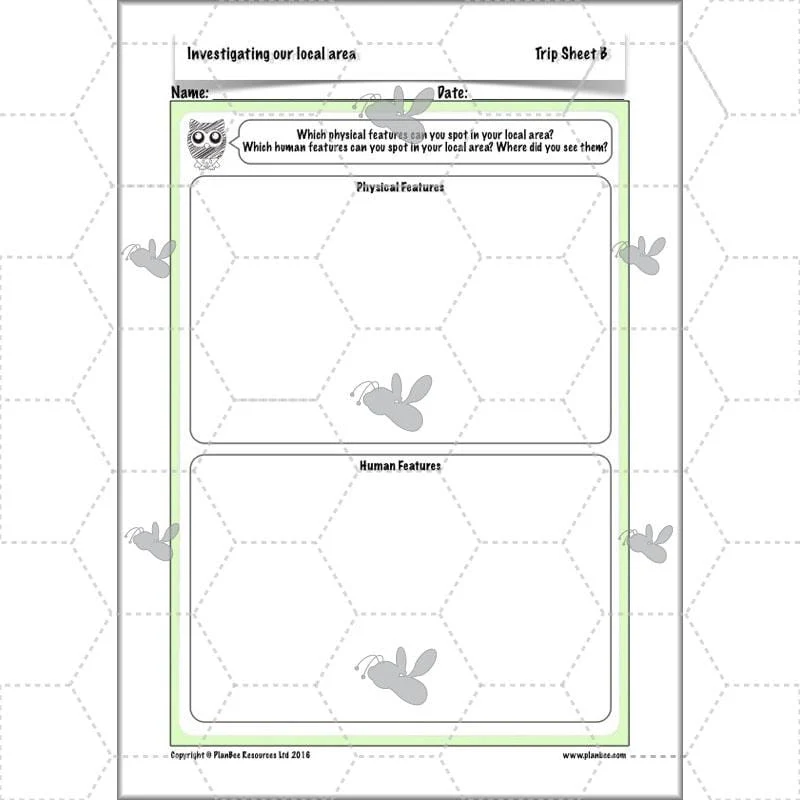
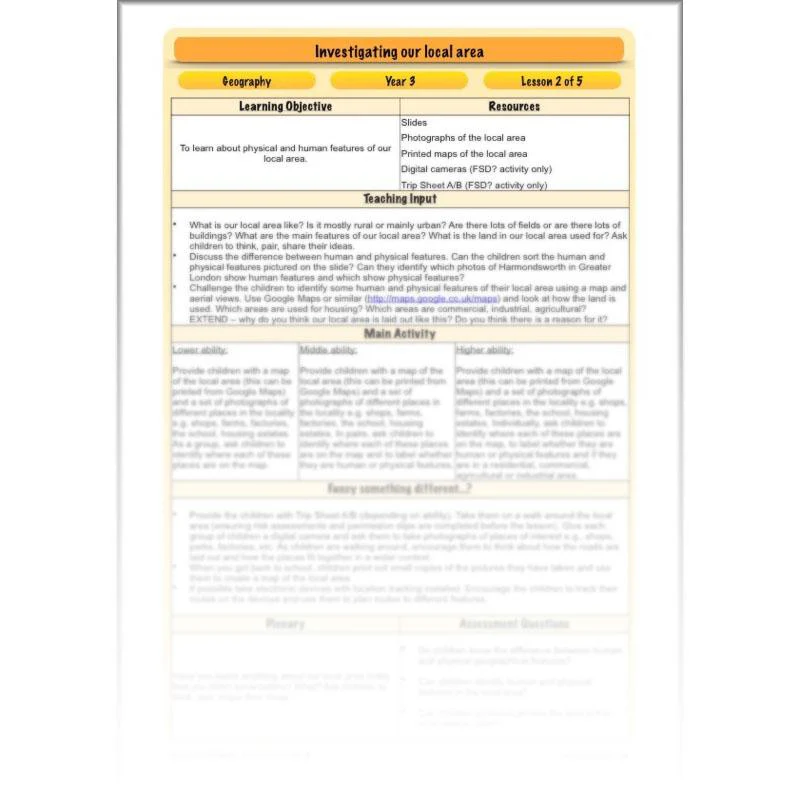
Encourage your class to think carefully about where they live and what it is like by identifying and describing the difference between human and physical geographical features. They will consider the difference between urban and rural areas, and think about whether the surrounding area is residential, commercial, agricultural or industrial. They can also go and explore the local area for themselves to see which human and physical features they can spot.
What's included:
- Lesson plan
- Slides
- Activity ideas
- Differentiated trip sheets
Local Services
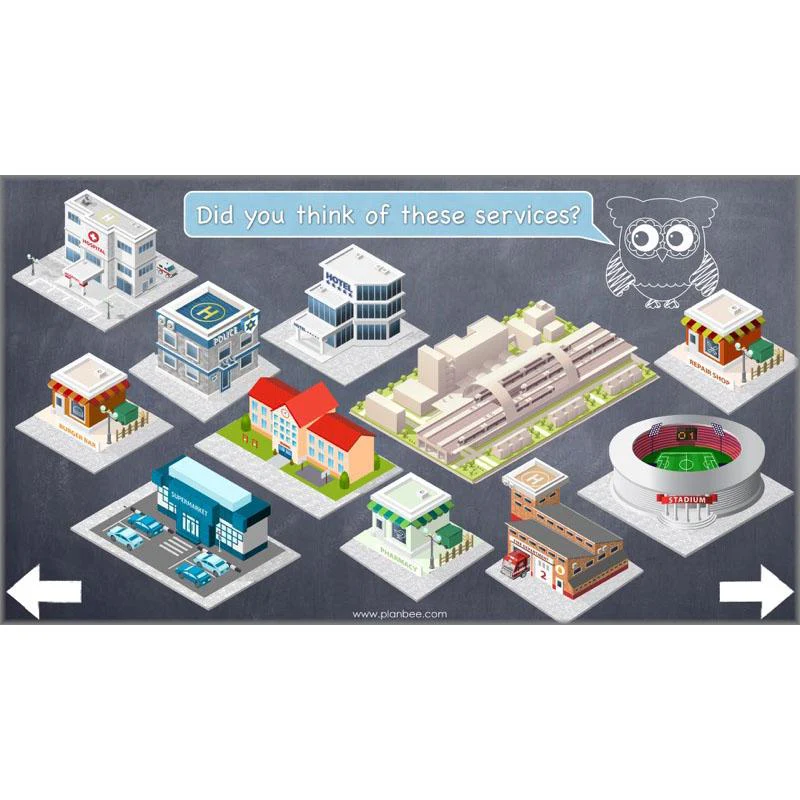
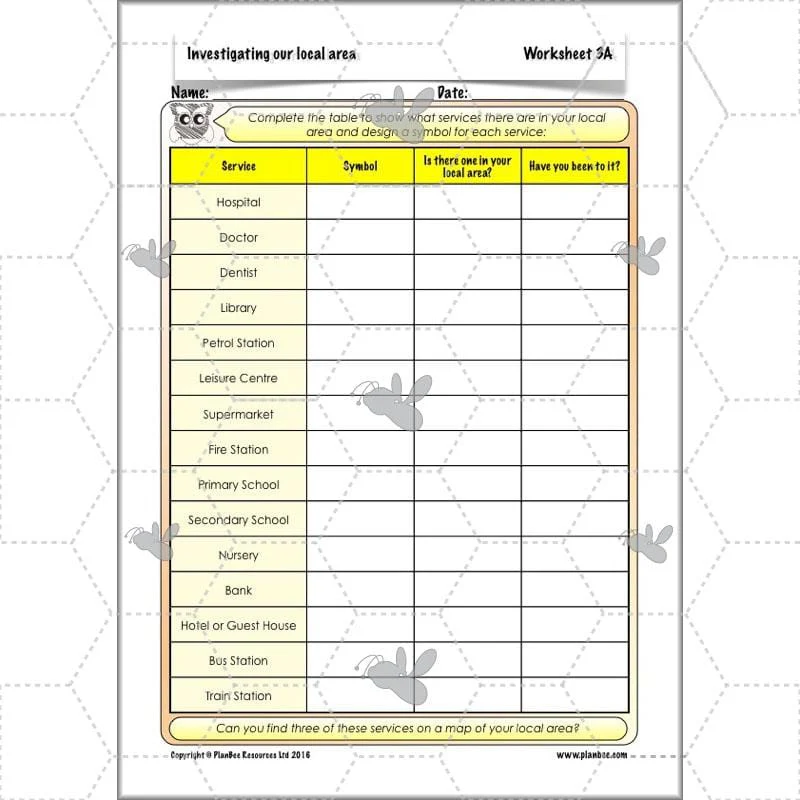
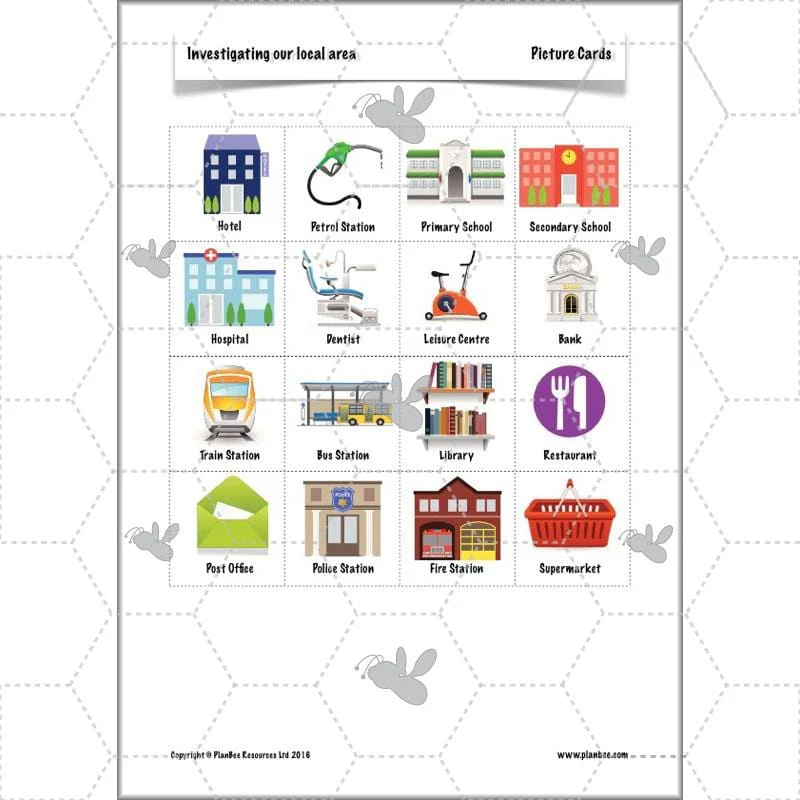
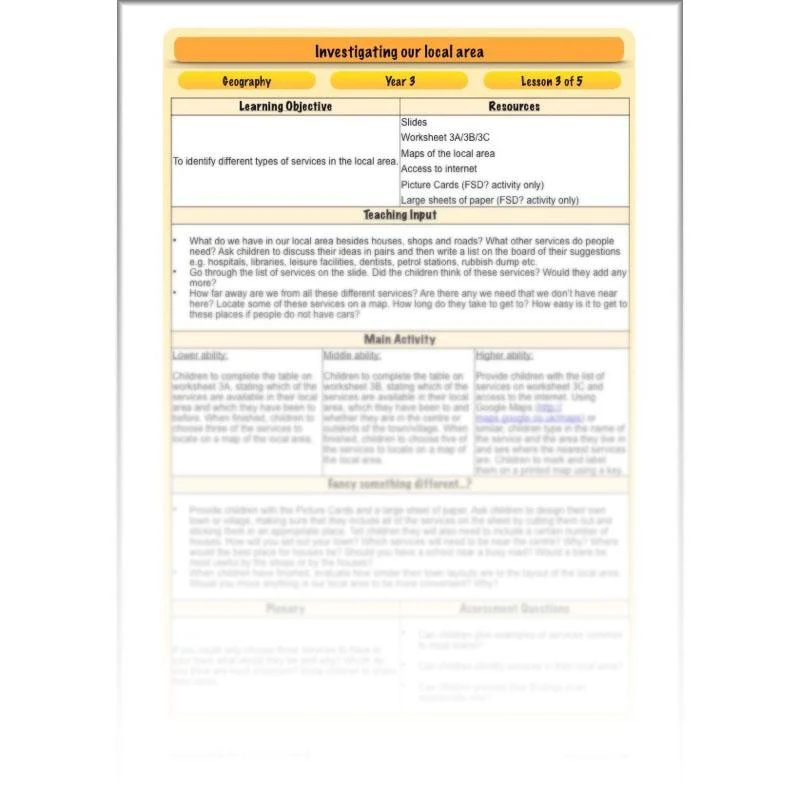
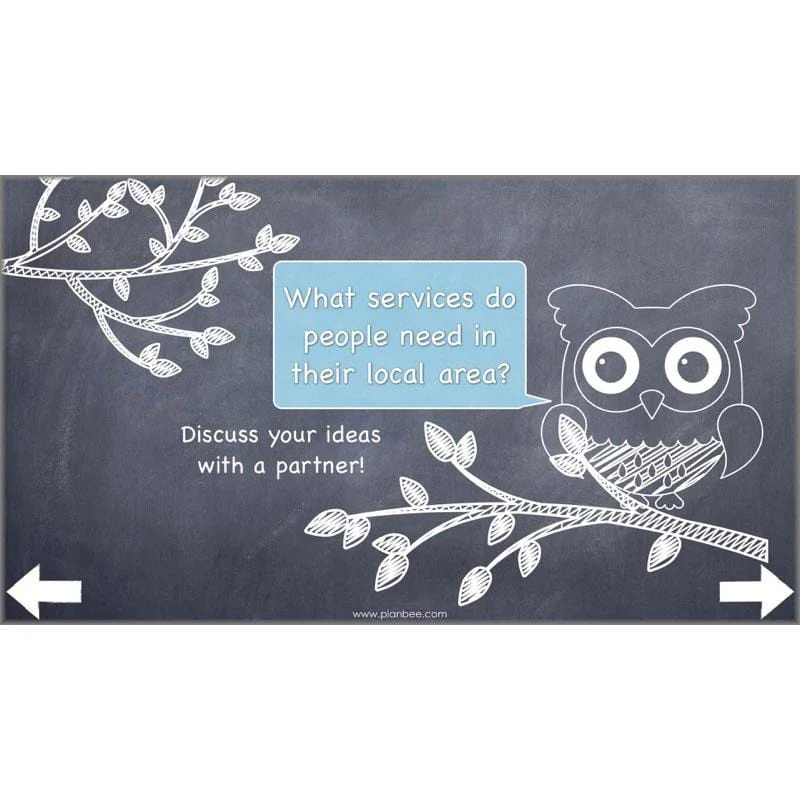
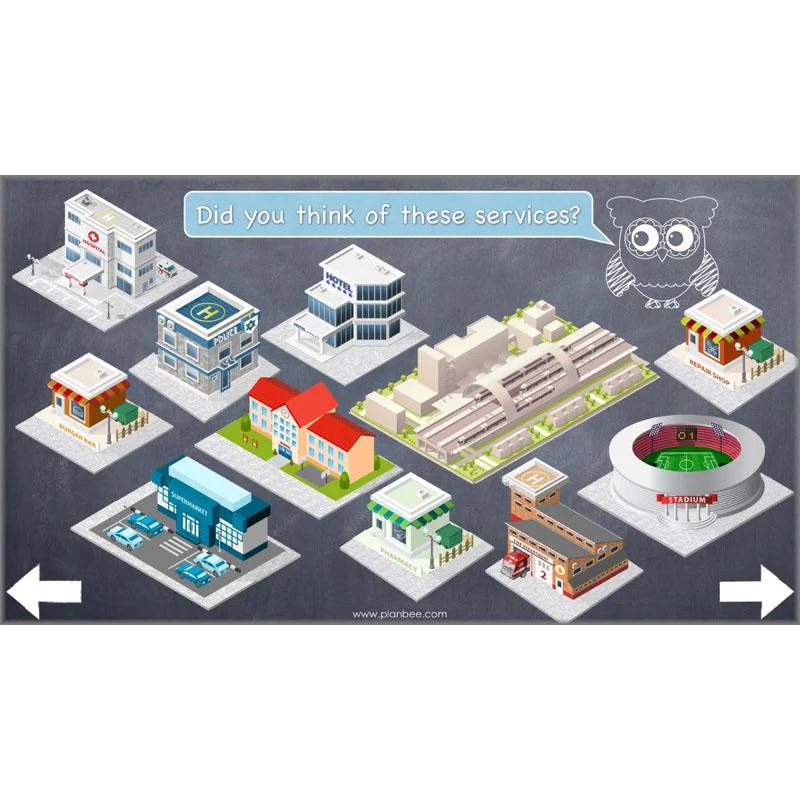
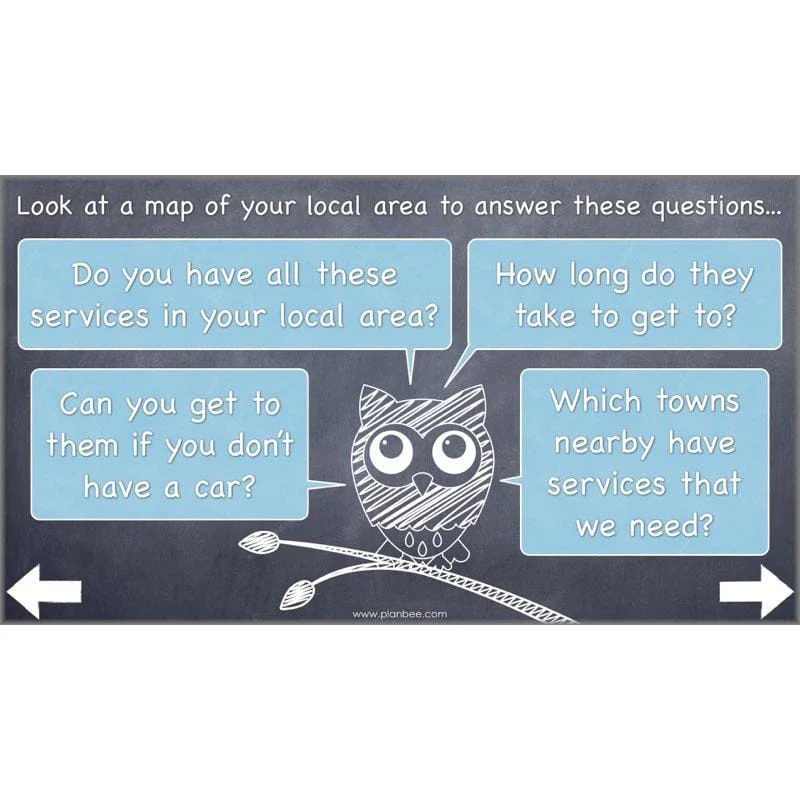
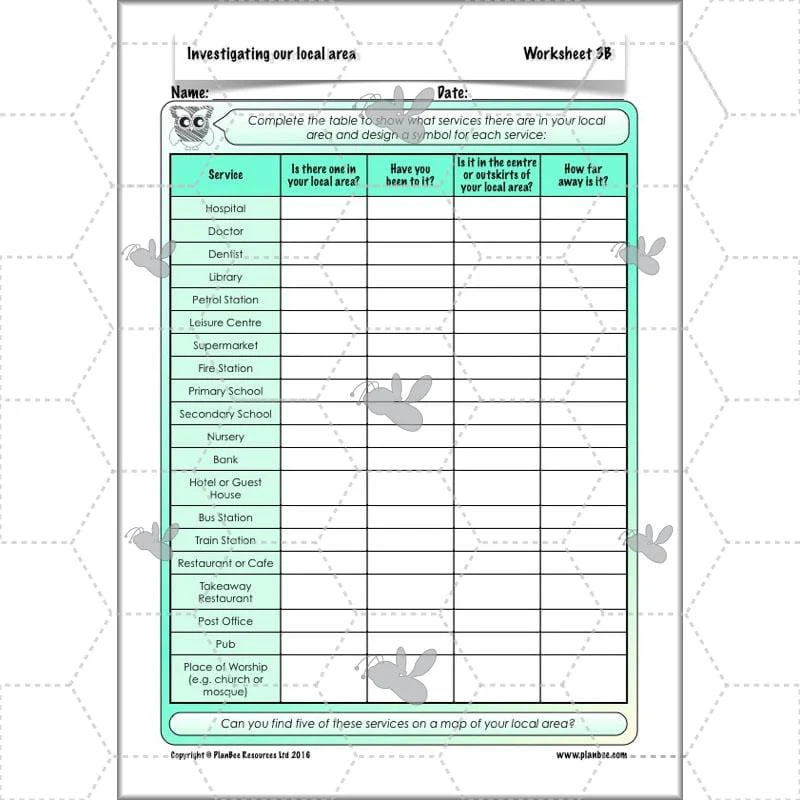
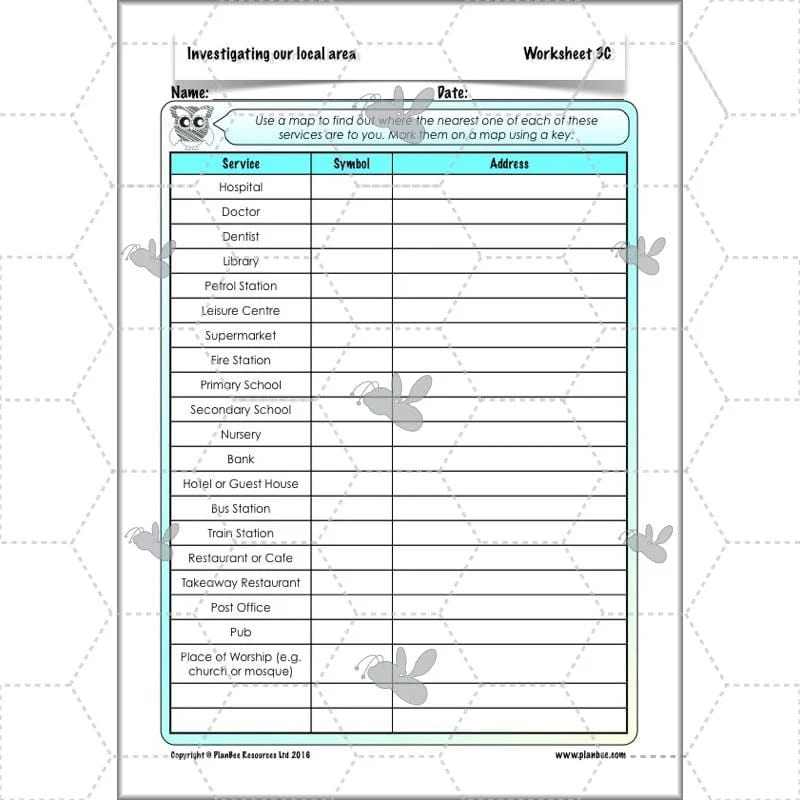
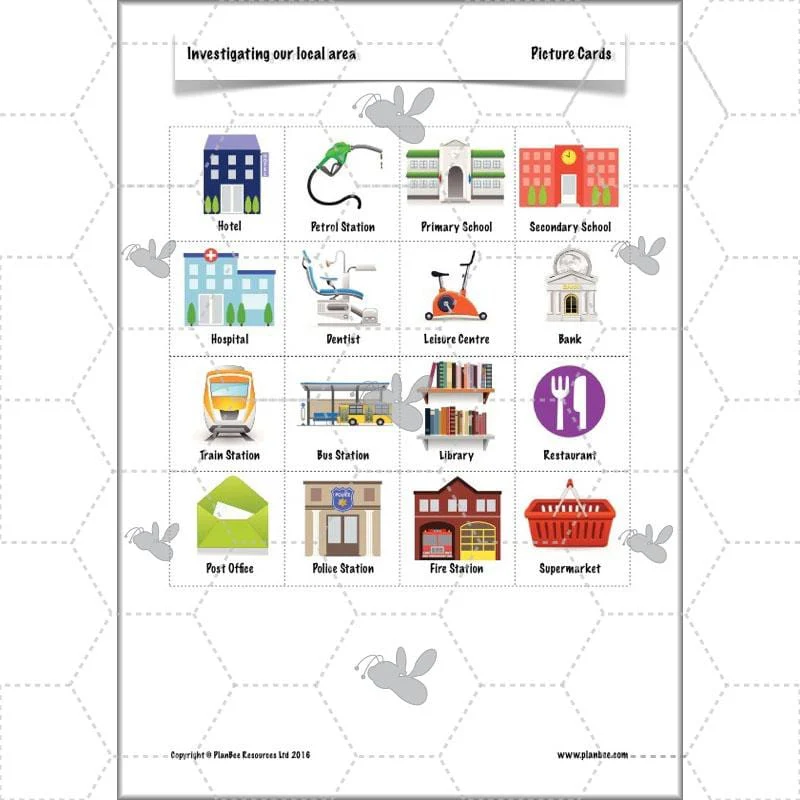
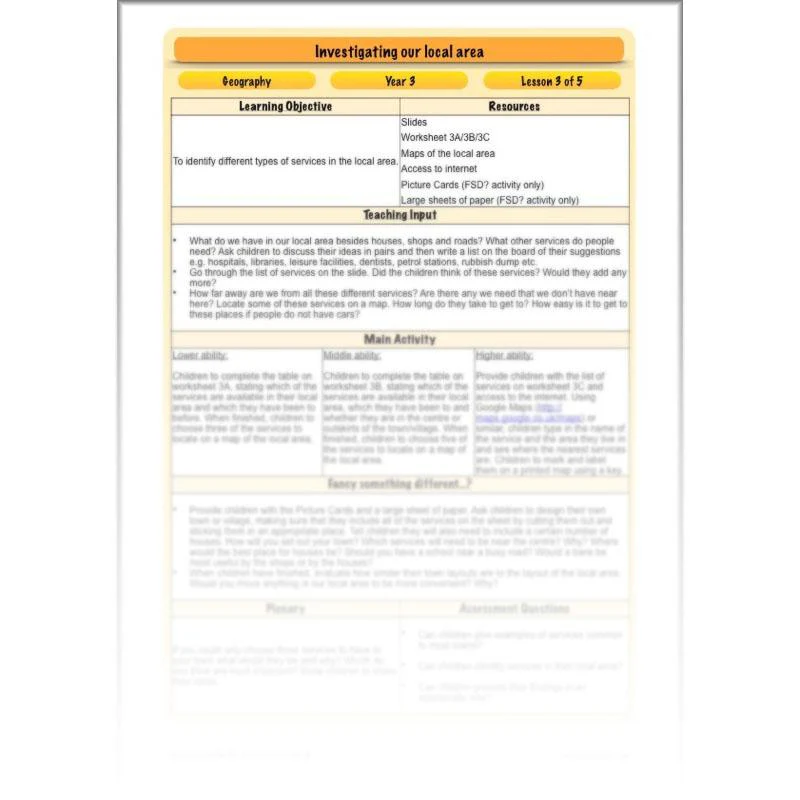
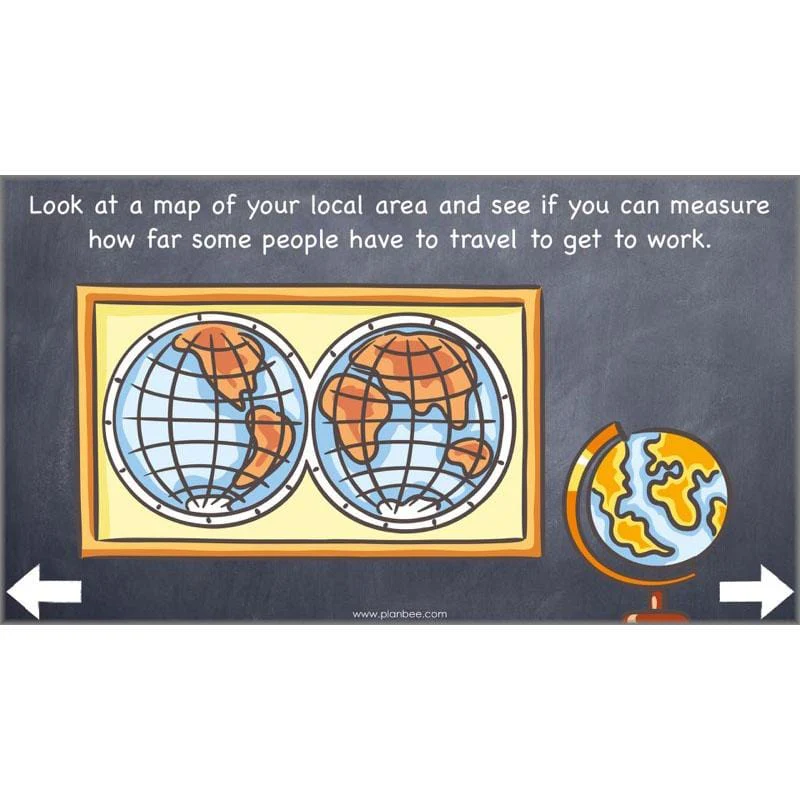
Get your thinking caps on as your class describe what services are available to them in their local area, such as shops, libraries, garages, police stations and more. Then challenge them to find them on a map of their local area and presenting what they have found out. There is also the chance for them to design their own town, including the services they think are necessary.
What's included:
- Lesson plan
- Slides
- Activity ideas
- Differentiated worksheets
- Picture cards
Travelling to Work
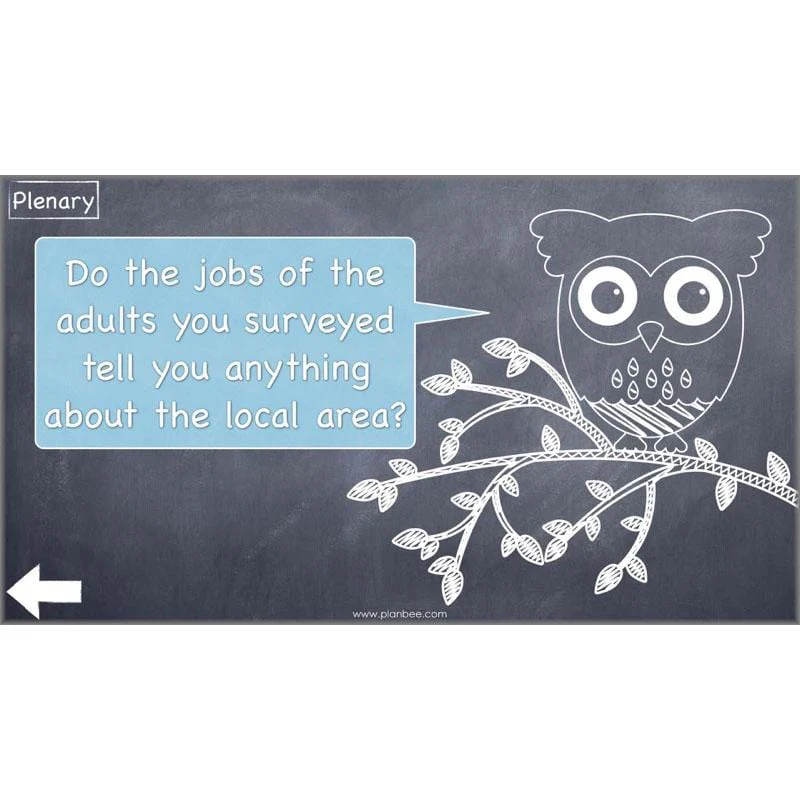
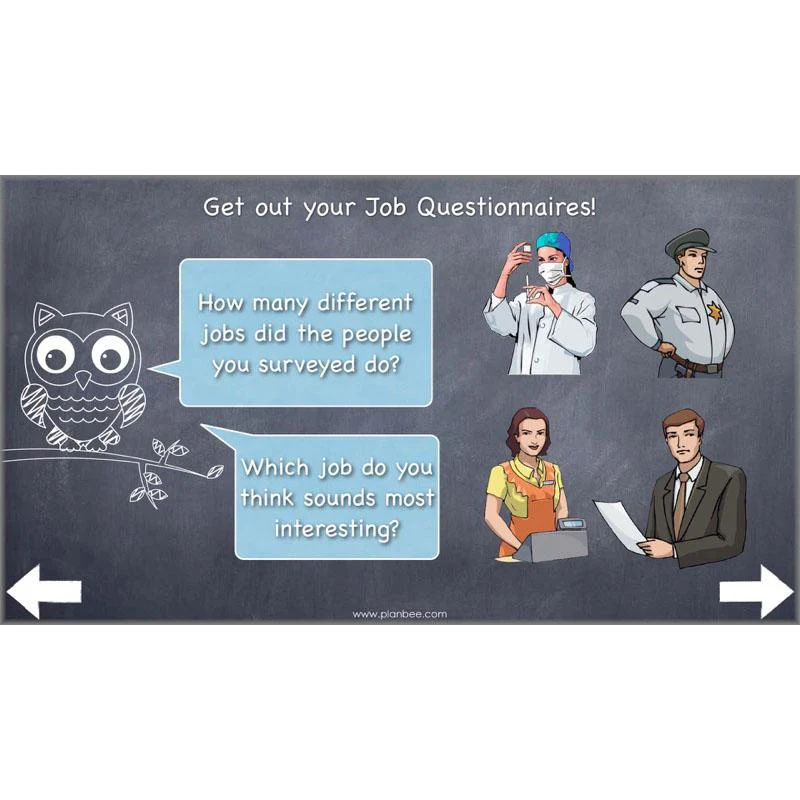
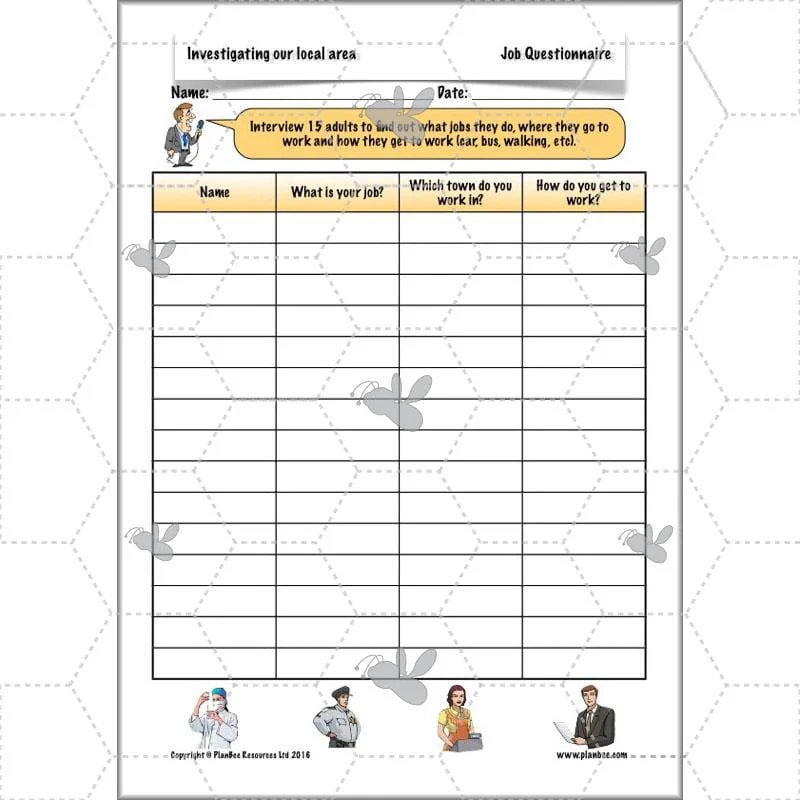
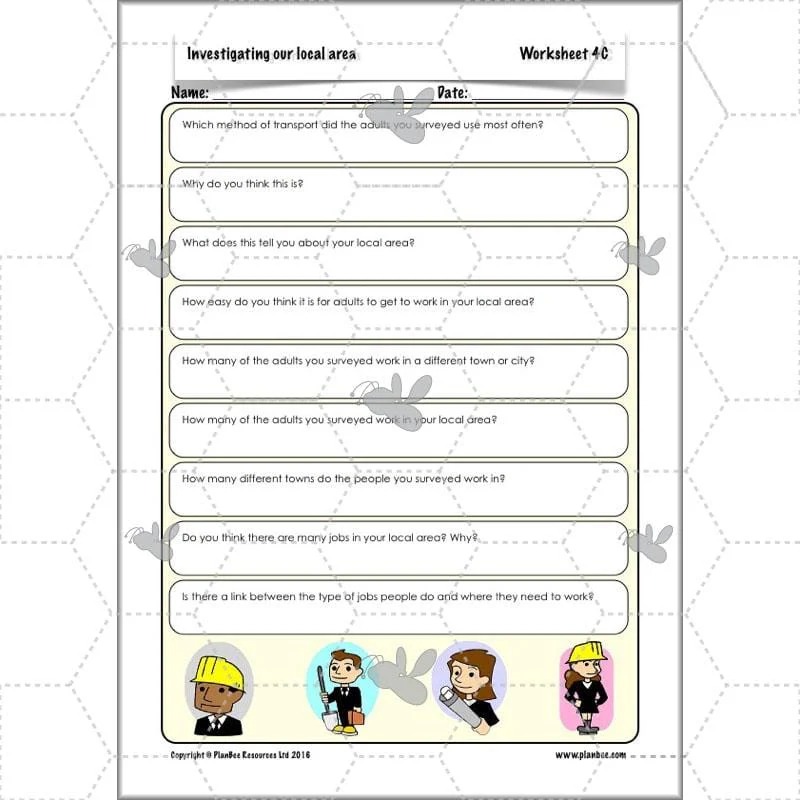
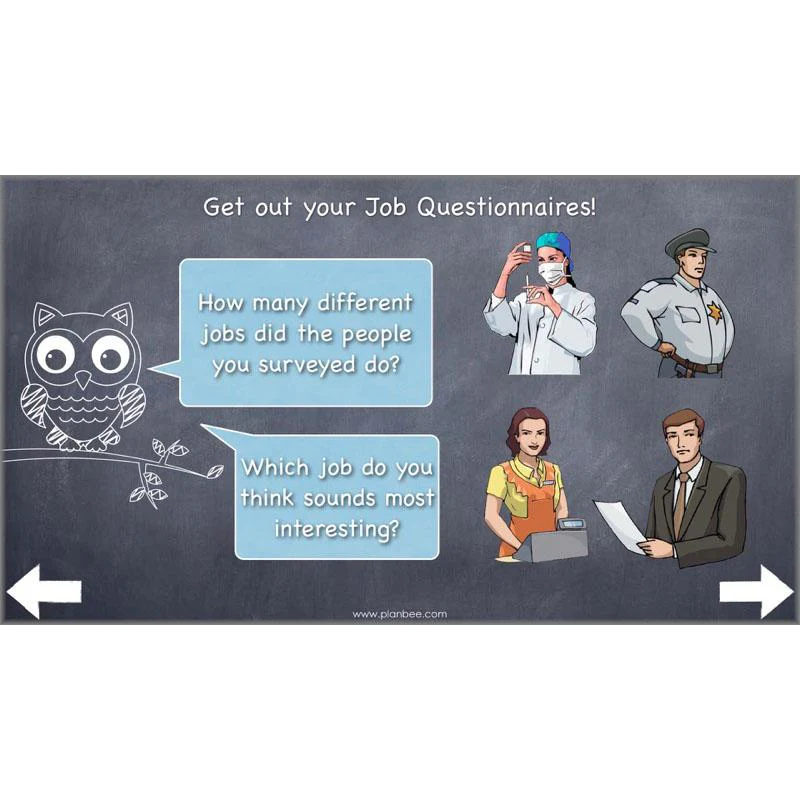
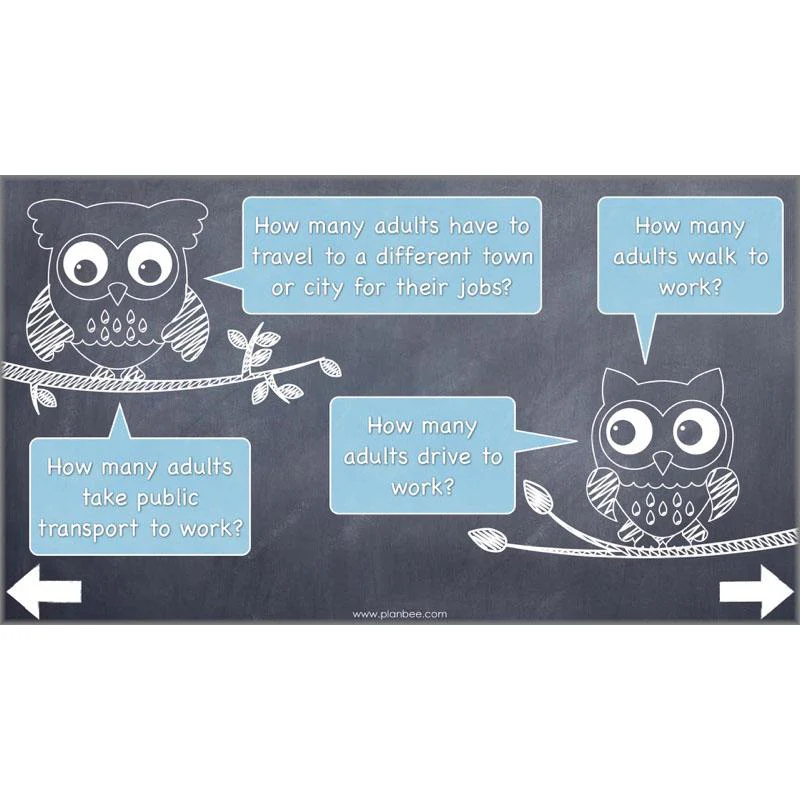
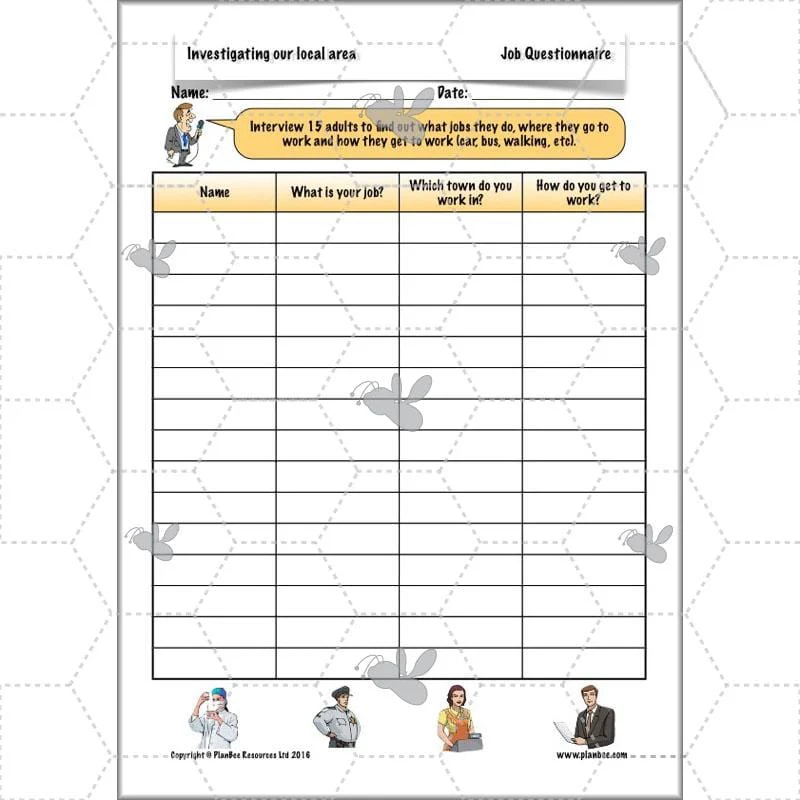
Before this lesson, your children will need to complete a questionnaire which asks adults in their local community how they get to work. Children can then analyse the data they have gathered to describe ways in which adults travel to work and what this tells them about their local area.
What's included:
- Lesson plan
- Slides
- Activity ideas
- Differentiated worksheets
- Job questionnaire
Tourist Information
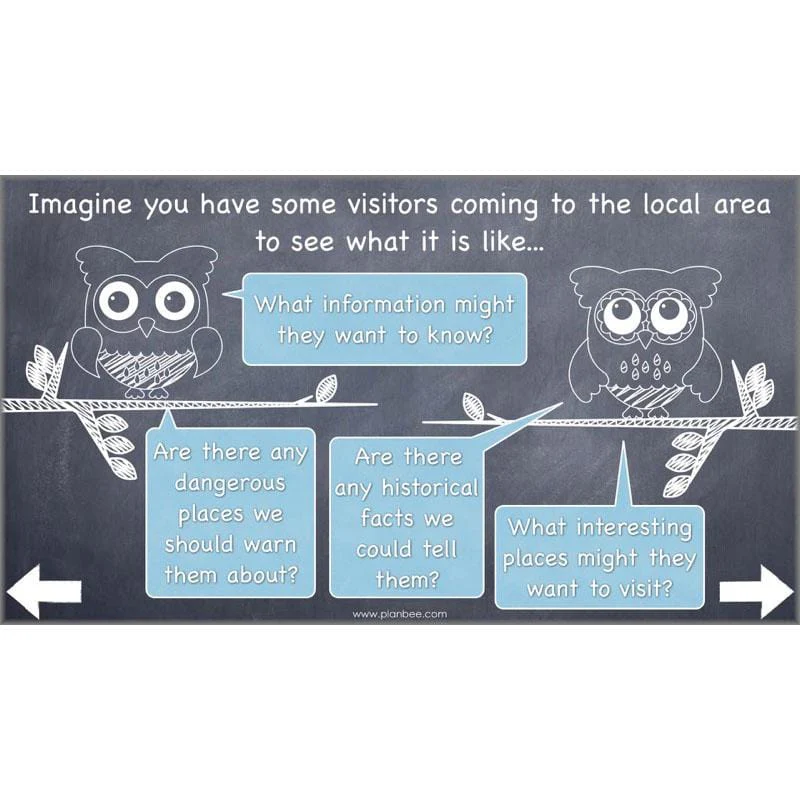
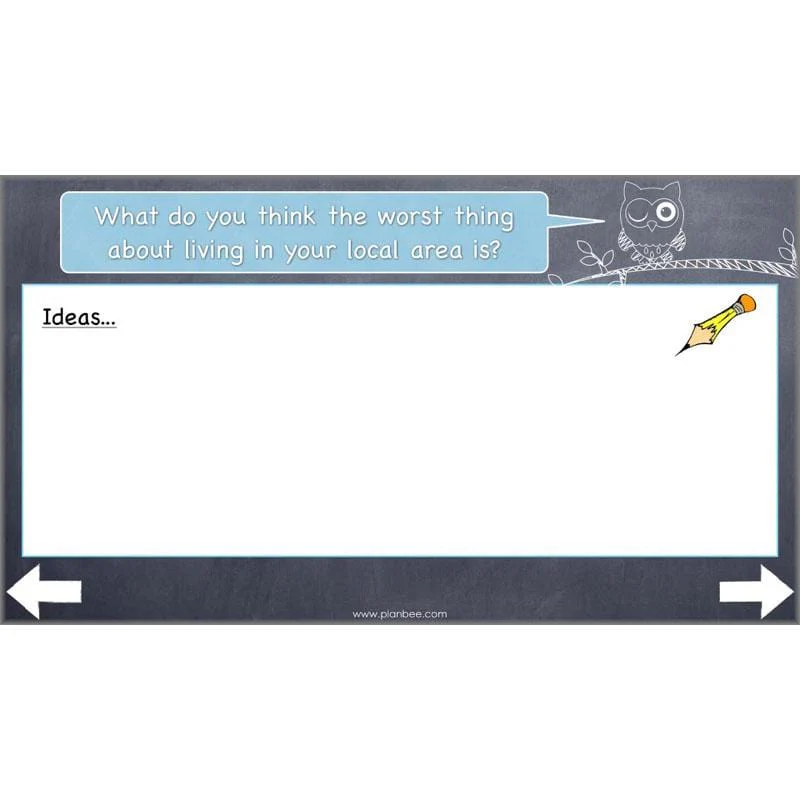
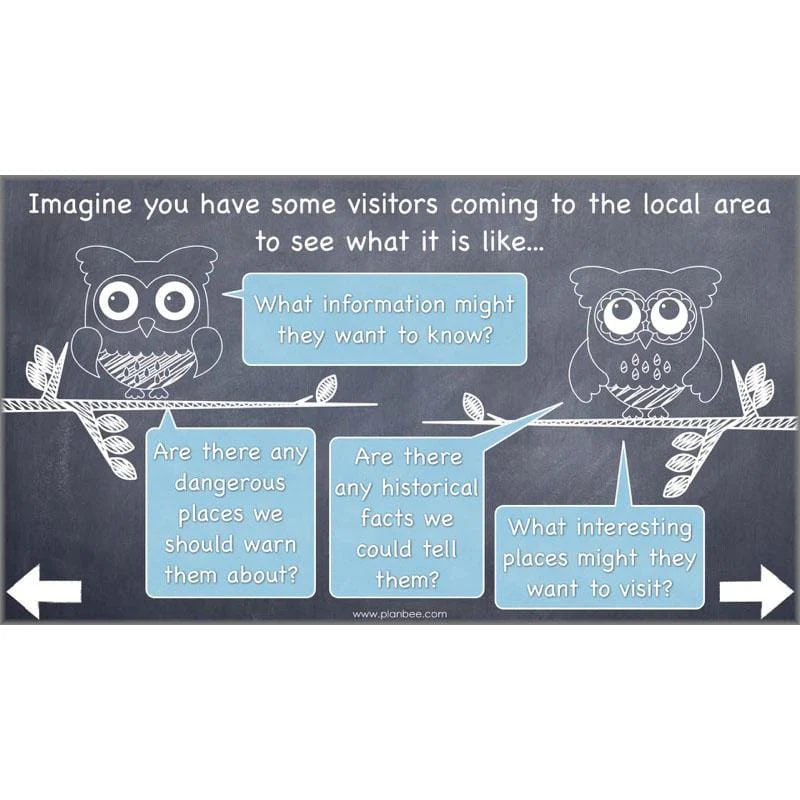
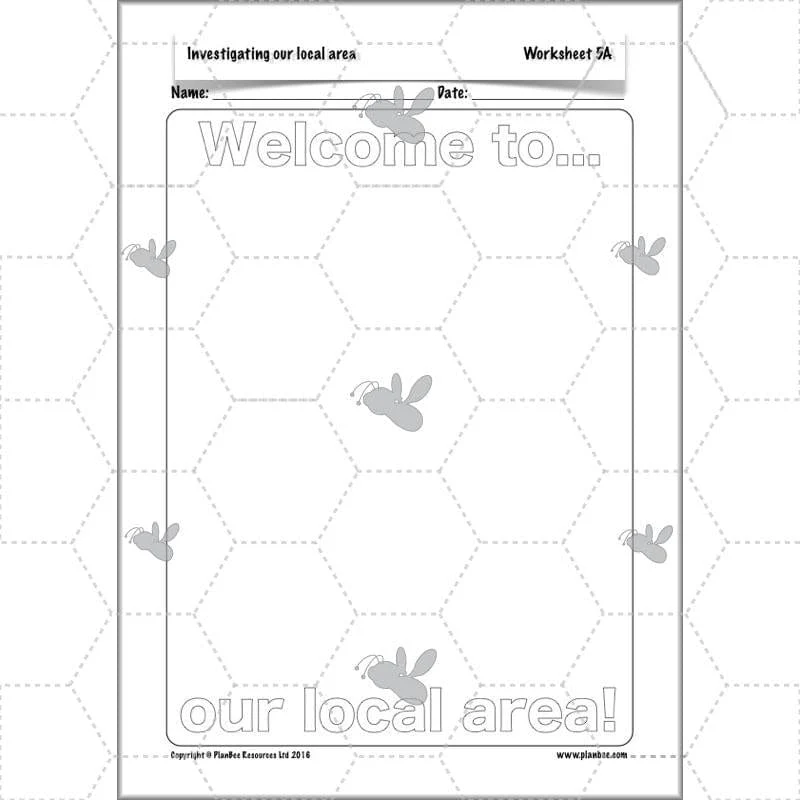
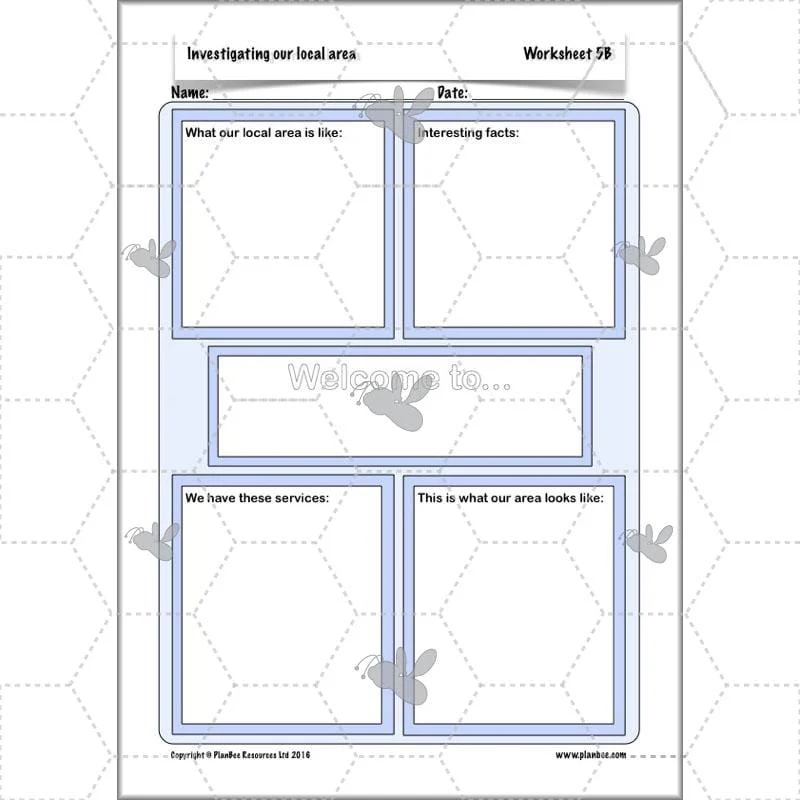
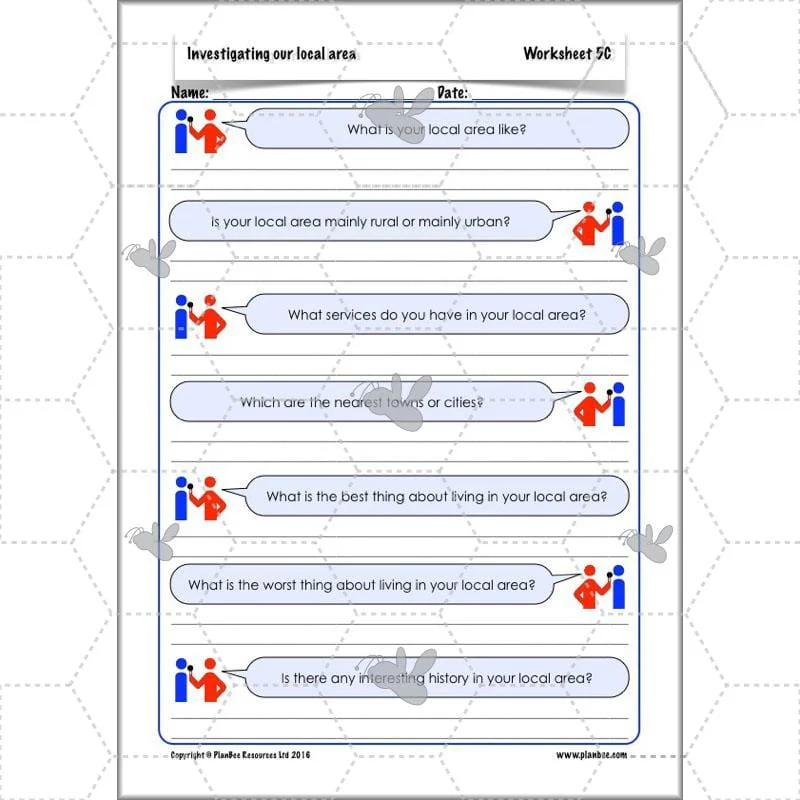
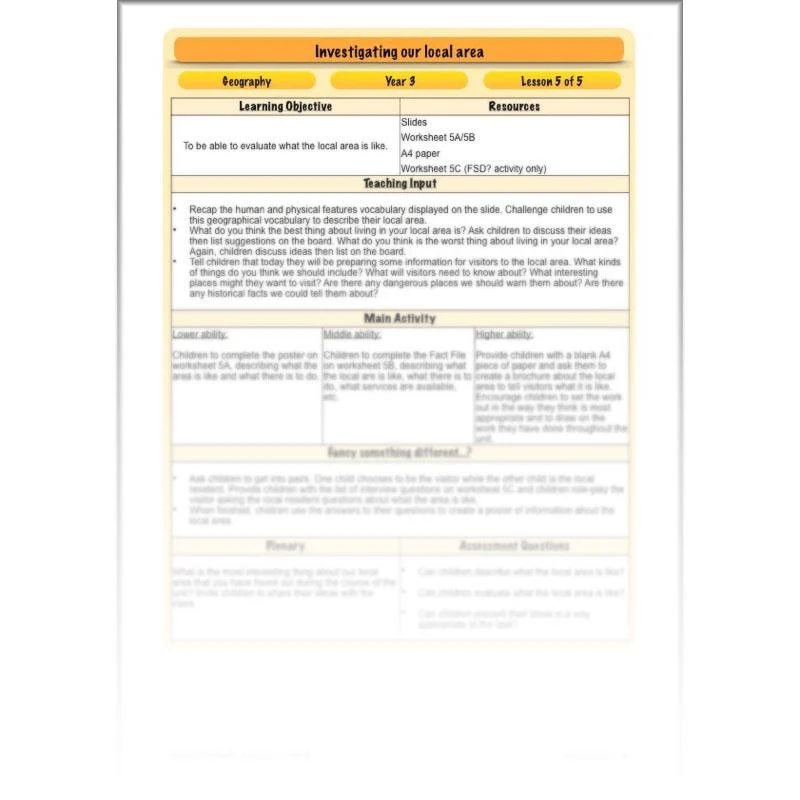
This lesson gives your class the chance to reflect on everything they have found out about their local area and to consolidate what they have learnt into information for visitors to the area. They will consider the positives and negatives of their local area, and describe its human and physical features, as well as finding out some further information about where they live to help inform others who might visit.
What's included:
- Lesson plan
- Slides
- Activity ideas
- Differentiated worksheets
Original: $3.49
-70%$3.49
$1.05More Images
Investigating our Local Area
Encourage your class to take a closer look at their local area as they explore different features of the community.
Start by using maps to spot familiar places and give directions to and from local points of interest then teach children the difference between physical and human features. Putting their geographical skills to the test, your class will have the chance to examine services in the local area and create a survey of jobs and travel. Finally, consolidate their knowledge by asking them to evaluate their local area and provide information for visitors and tourists. These investigative lessons contain everything you will need to teach this scheme of work, including lesson plans, slides, activity ideas and differentiated worksheets. You might be interested in our 'My Diverse Community' PSHE scheme for Year 3, which teaches children how to work together to care for the people and places in their communities.
Where Are We?
This first lesson aims to teach children where exactly in the world they are by identifying their continent, country, region and county. Your class will then have the chance to use a map and compass points to give directions to and from local places of interest.
What's included:
- Lesson plan
- Slides
- Activity ideas
- Challenge cards
- Question cards
Human and Physical Features
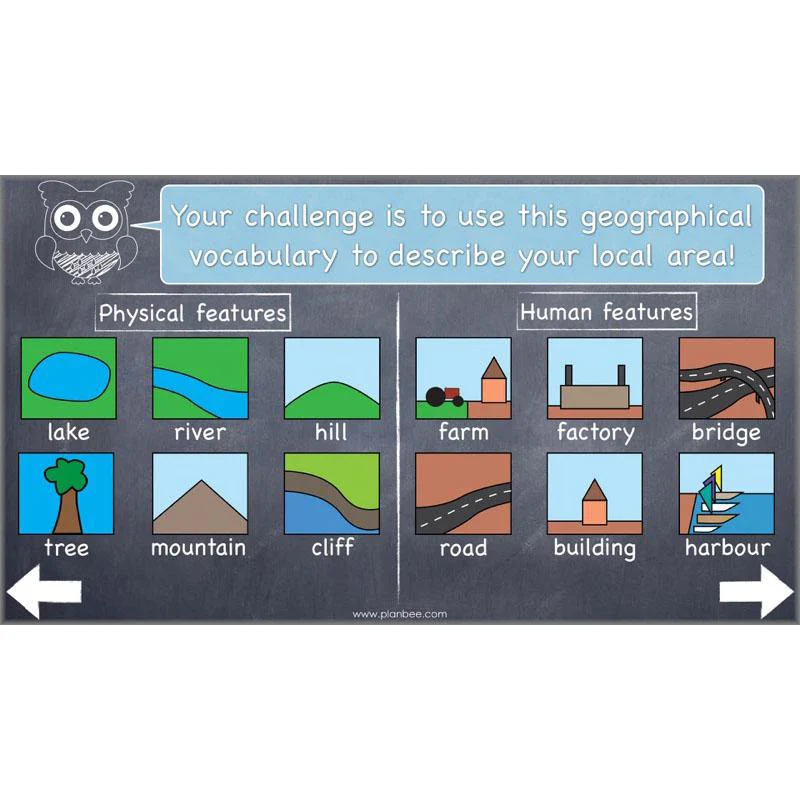
Encourage your class to think carefully about where they live and what it is like by identifying and describing the difference between human and physical geographical features. They will consider the difference between urban and rural areas, and think about whether the surrounding area is residential, commercial, agricultural or industrial. They can also go and explore the local area for themselves to see which human and physical features they can spot.
What's included:
- Lesson plan
- Slides
- Activity ideas
- Differentiated trip sheets
Local Services
Get your thinking caps on as your class describe what services are available to them in their local area, such as shops, libraries, garages, police stations and more. Then challenge them to find them on a map of their local area and presenting what they have found out. There is also the chance for them to design their own town, including the services they think are necessary.
What's included:
- Lesson plan
- Slides
- Activity ideas
- Differentiated worksheets
- Picture cards
Travelling to Work
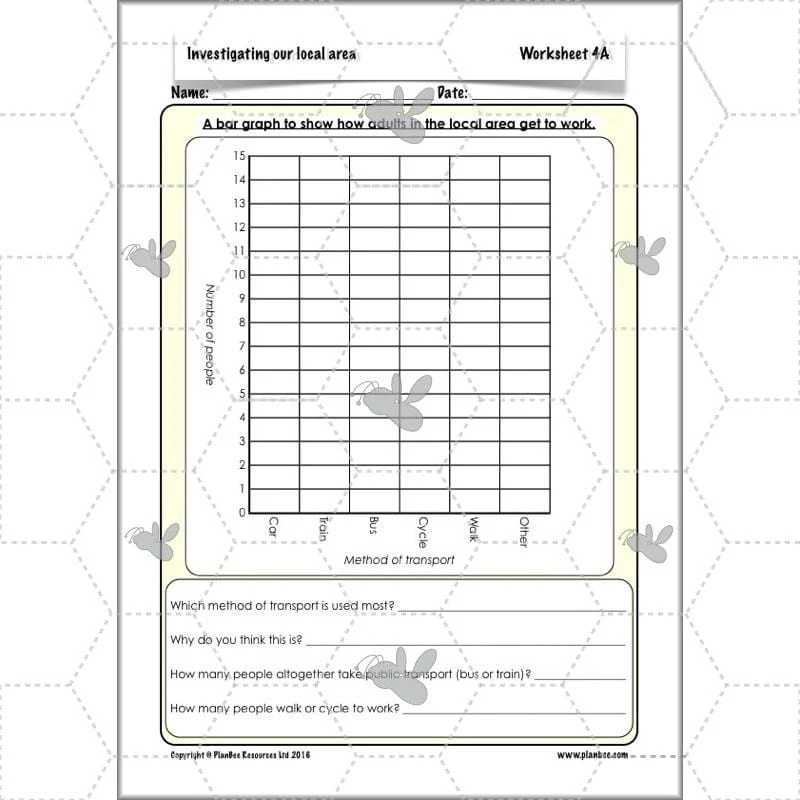
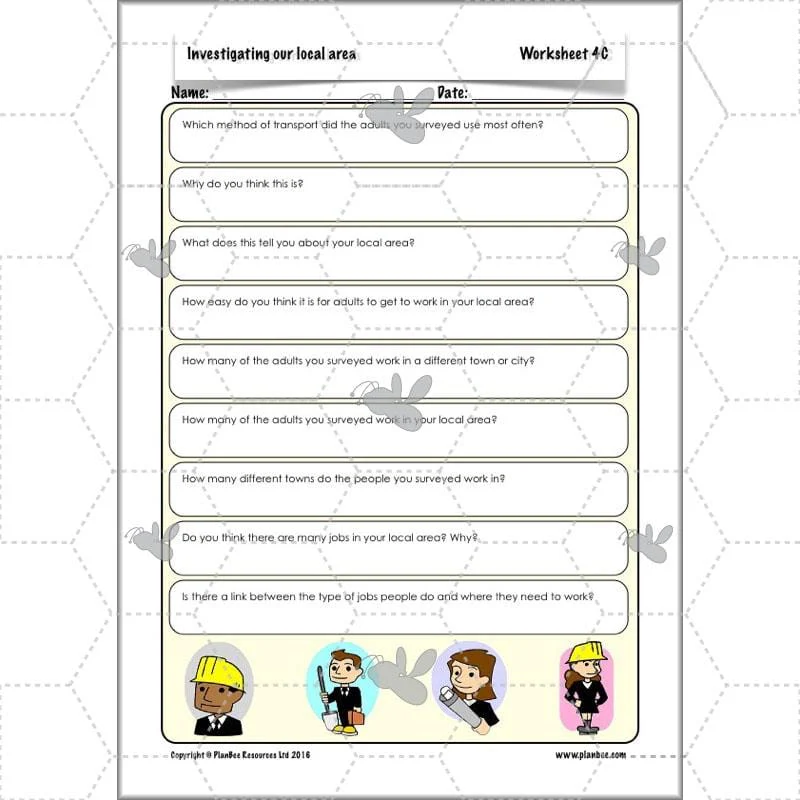
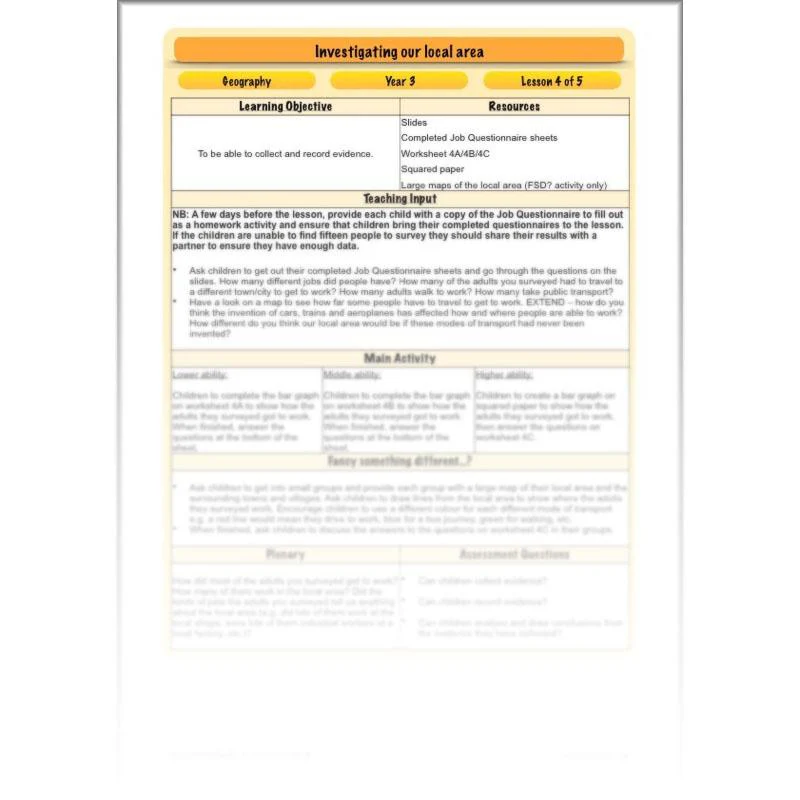
Before this lesson, your children will need to complete a questionnaire which asks adults in their local community how they get to work. Children can then analyse the data they have gathered to describe ways in which adults travel to work and what this tells them about their local area.
What's included:
- Lesson plan
- Slides
- Activity ideas
- Differentiated worksheets
- Job questionnaire
Tourist Information
This lesson gives your class the chance to reflect on everything they have found out about their local area and to consolidate what they have learnt into information for visitors to the area. They will consider the positives and negatives of their local area, and describe its human and physical features, as well as finding out some further information about where they live to help inform others who might visit.
What's included:
- Lesson plan
- Slides
- Activity ideas
- Differentiated worksheets
Product Information
Product Information
Shipping & Returns
Shipping & Returns
Description
Encourage your class to take a closer look at their local area as they explore different features of the community.
Start by using maps to spot familiar places and give directions to and from local points of interest then teach children the difference between physical and human features. Putting their geographical skills to the test, your class will have the chance to examine services in the local area and create a survey of jobs and travel. Finally, consolidate their knowledge by asking them to evaluate their local area and provide information for visitors and tourists. These investigative lessons contain everything you will need to teach this scheme of work, including lesson plans, slides, activity ideas and differentiated worksheets. You might be interested in our 'My Diverse Community' PSHE scheme for Year 3, which teaches children how to work together to care for the people and places in their communities.
Where Are We?
This first lesson aims to teach children where exactly in the world they are by identifying their continent, country, region and county. Your class will then have the chance to use a map and compass points to give directions to and from local places of interest.
What's included:
- Lesson plan
- Slides
- Activity ideas
- Challenge cards
- Question cards
Human and Physical Features
Encourage your class to think carefully about where they live and what it is like by identifying and describing the difference between human and physical geographical features. They will consider the difference between urban and rural areas, and think about whether the surrounding area is residential, commercial, agricultural or industrial. They can also go and explore the local area for themselves to see which human and physical features they can spot.
What's included:
- Lesson plan
- Slides
- Activity ideas
- Differentiated trip sheets
Local Services
Get your thinking caps on as your class describe what services are available to them in their local area, such as shops, libraries, garages, police stations and more. Then challenge them to find them on a map of their local area and presenting what they have found out. There is also the chance for them to design their own town, including the services they think are necessary.
What's included:
- Lesson plan
- Slides
- Activity ideas
- Differentiated worksheets
- Picture cards
Travelling to Work
Before this lesson, your children will need to complete a questionnaire which asks adults in their local community how they get to work. Children can then analyse the data they have gathered to describe ways in which adults travel to work and what this tells them about their local area.
What's included:
- Lesson plan
- Slides
- Activity ideas
- Differentiated worksheets
- Job questionnaire
Tourist Information
This lesson gives your class the chance to reflect on everything they have found out about their local area and to consolidate what they have learnt into information for visitors to the area. They will consider the positives and negatives of their local area, and describe its human and physical features, as well as finding out some further information about where they live to help inform others who might visit.
What's included:
- Lesson plan
- Slides
- Activity ideas
- Differentiated worksheets