Patterns in Poetry
This Year 3 poetry planning pack will help teach your children how to carefully select and arrange words to create interesting and effective poems, inspired by a collaborative theme or one chosen by the children.
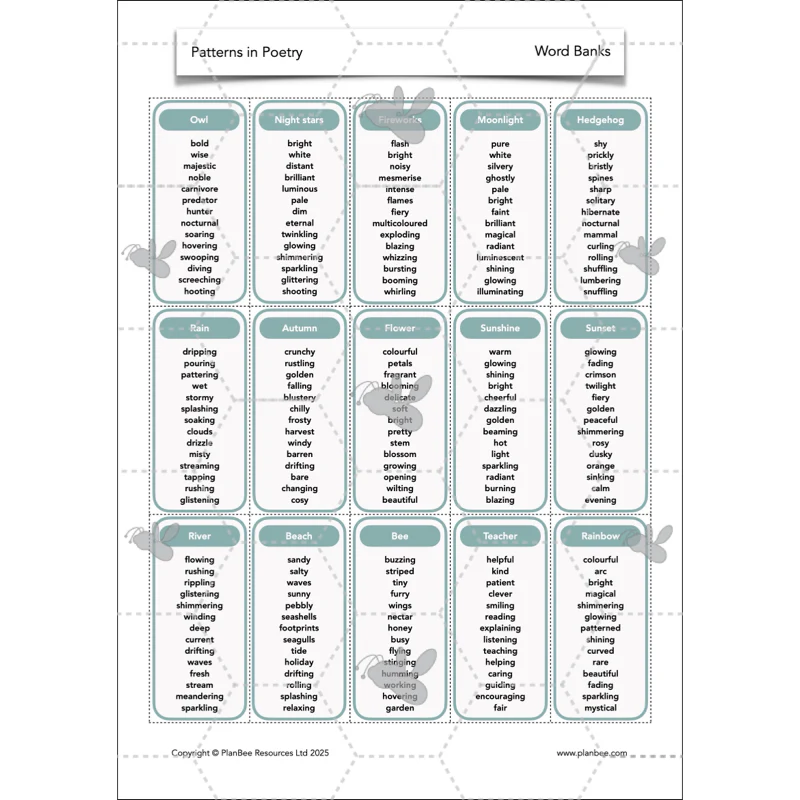
Across the lessons, they will gather vocabulary to describe their chosen theme, then use this vocabulary to help them create diamond poems, kennings and cinquains. Finally, the children will work on a performance of one of the poems they have written or a themed poem provided by you or from the provided resources.
Each lesson in this Year 3 poetry planning pack comes with an easy-to-follow lesson plan, a fun slideshow for the teaching input, differentiated activity ideas and a range of printable resources to support their independent learning.
Word Choice
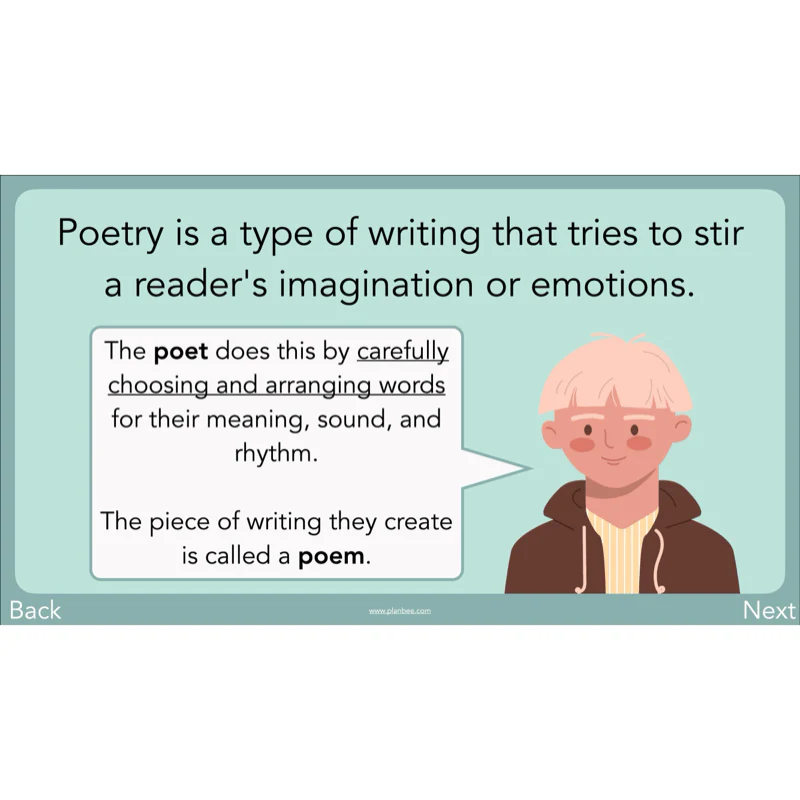
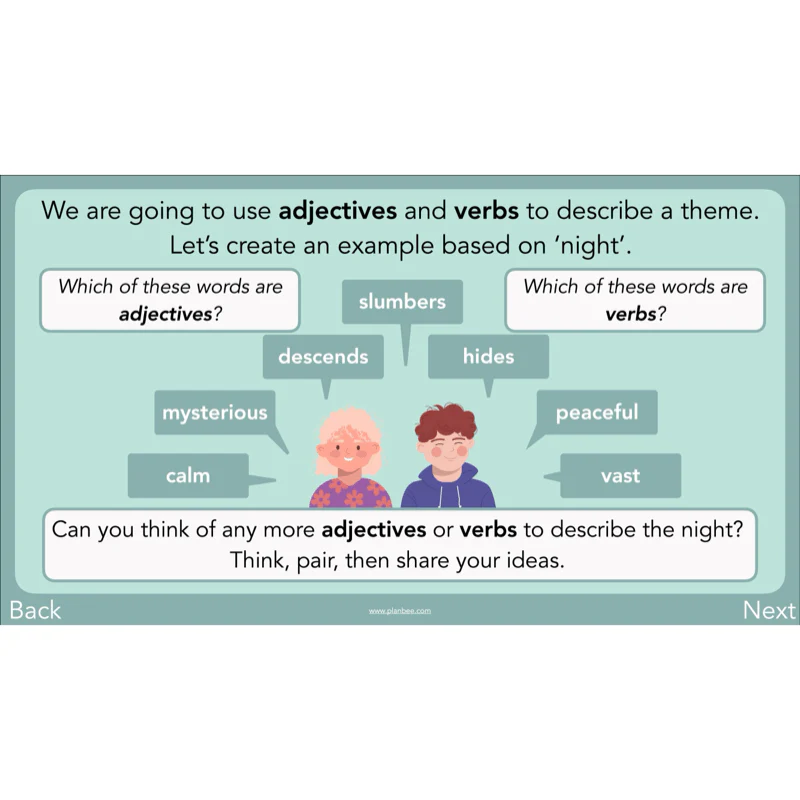
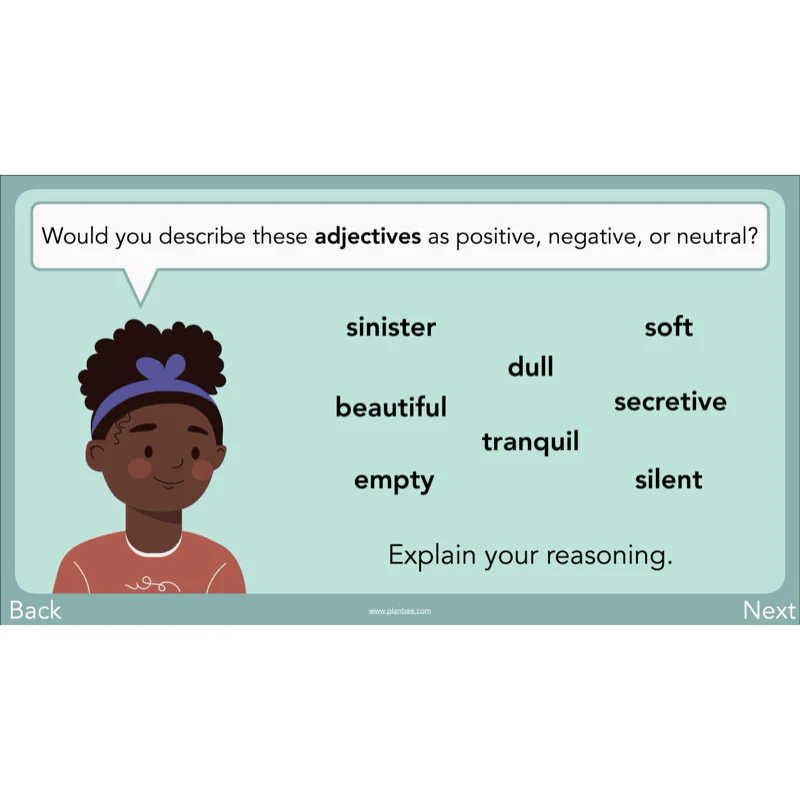
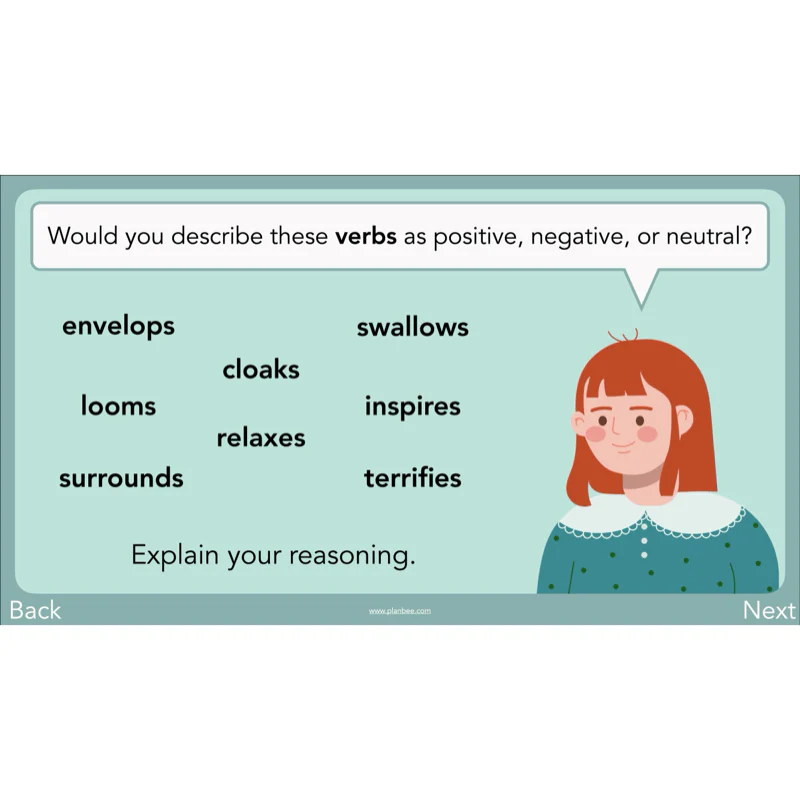
In this Year 3 poetry word choice lesson, your class will learn the importance of carefully selecting words and vocabulary when writing a poem. Together, they will discuss how words can create positive or negative thoughts and images about the noun that they are describing.
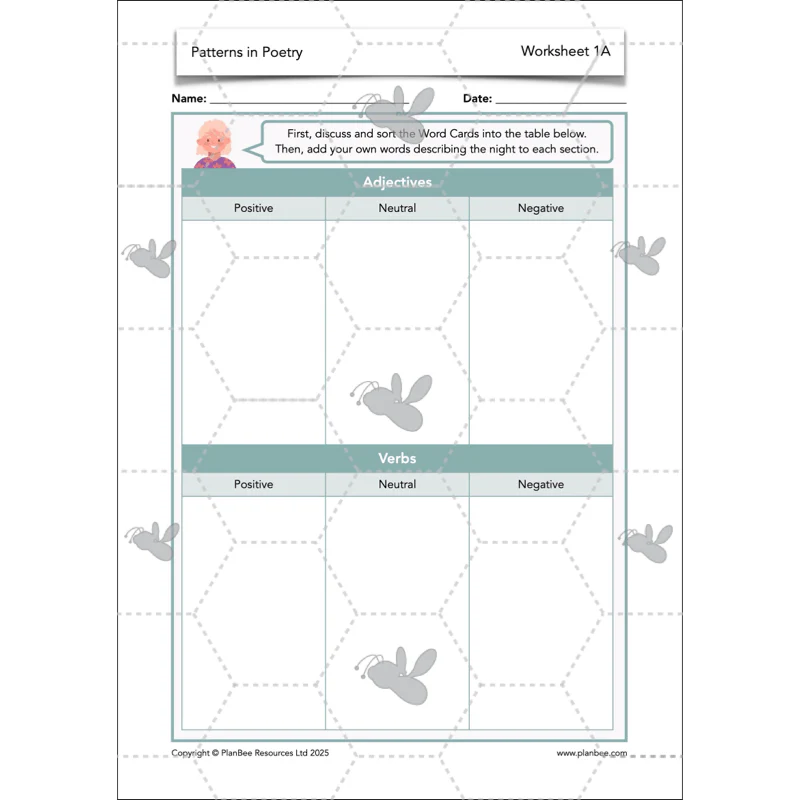
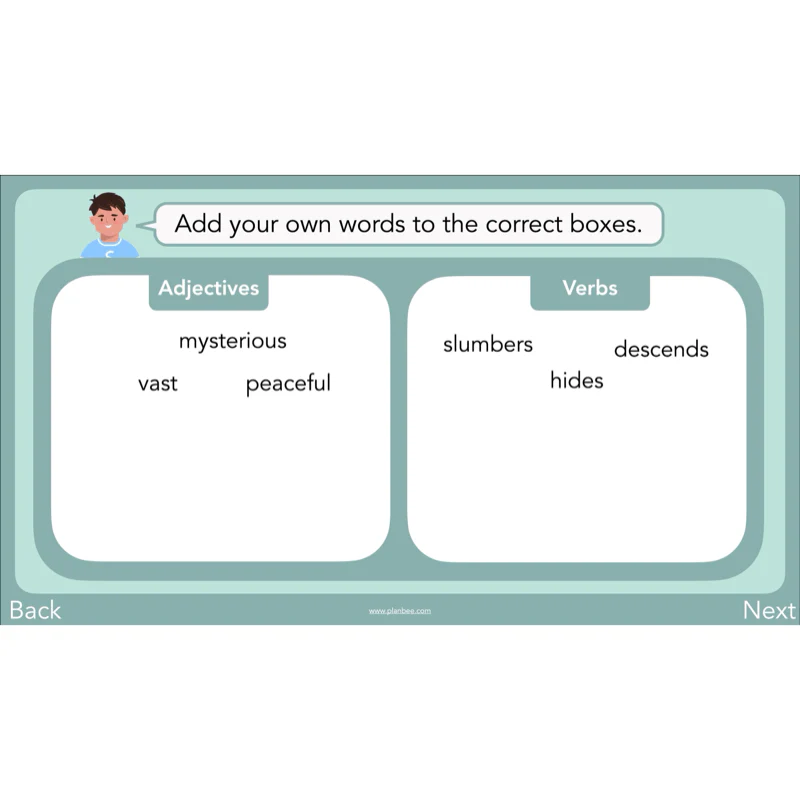
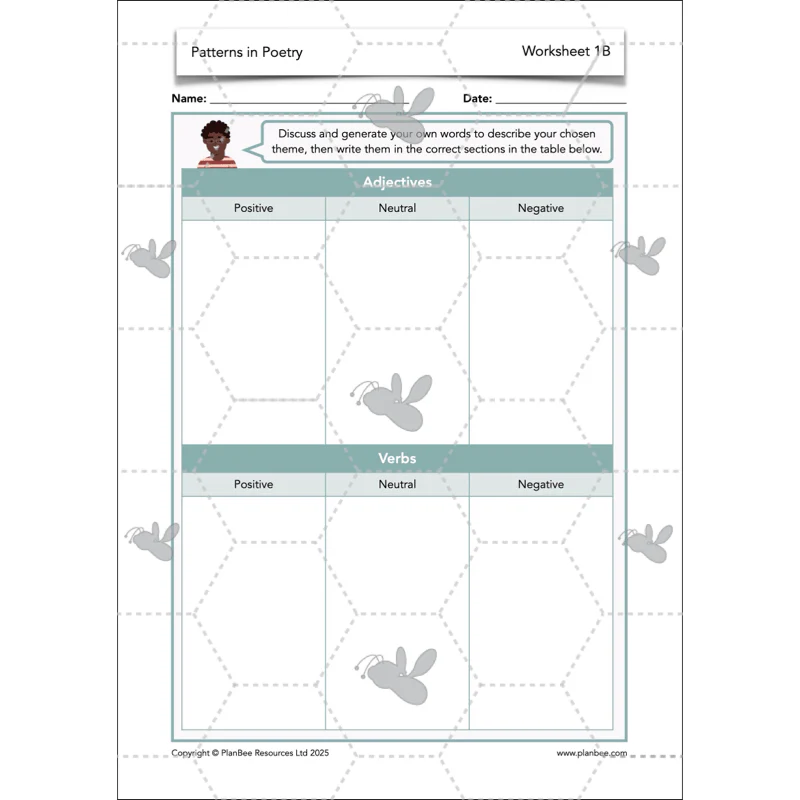
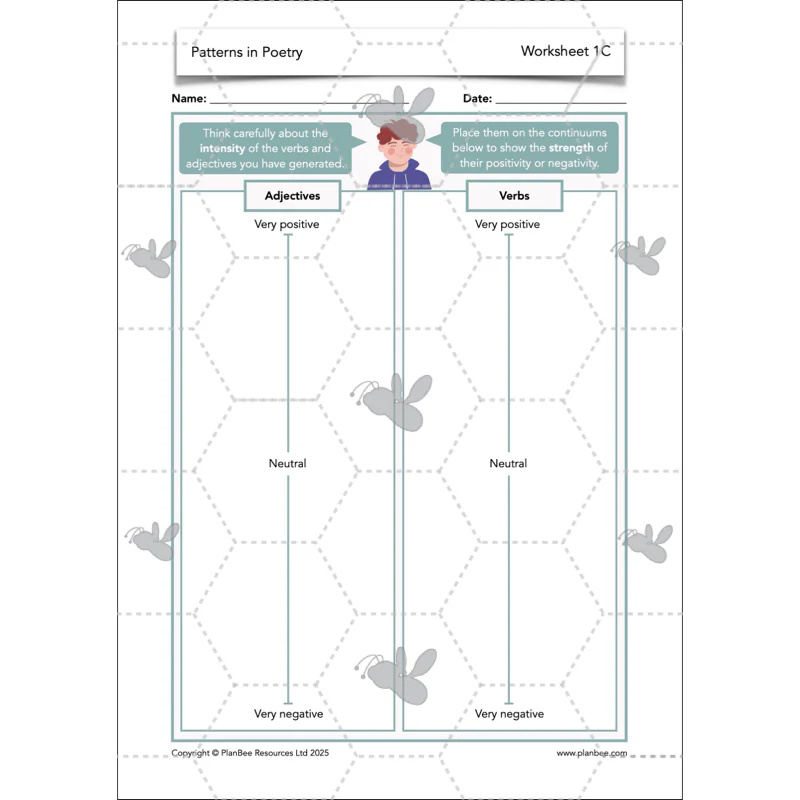
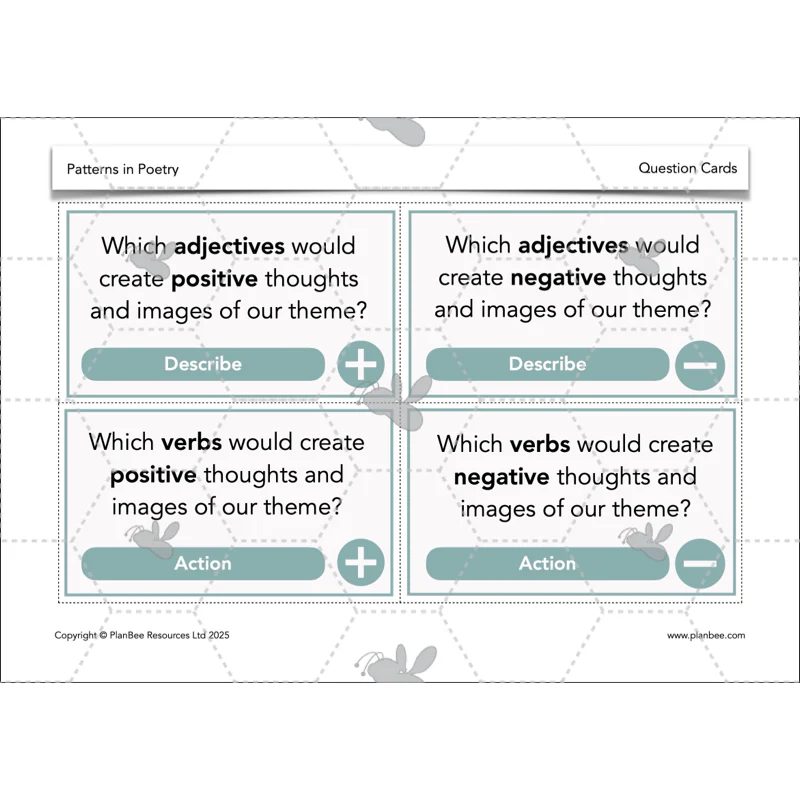
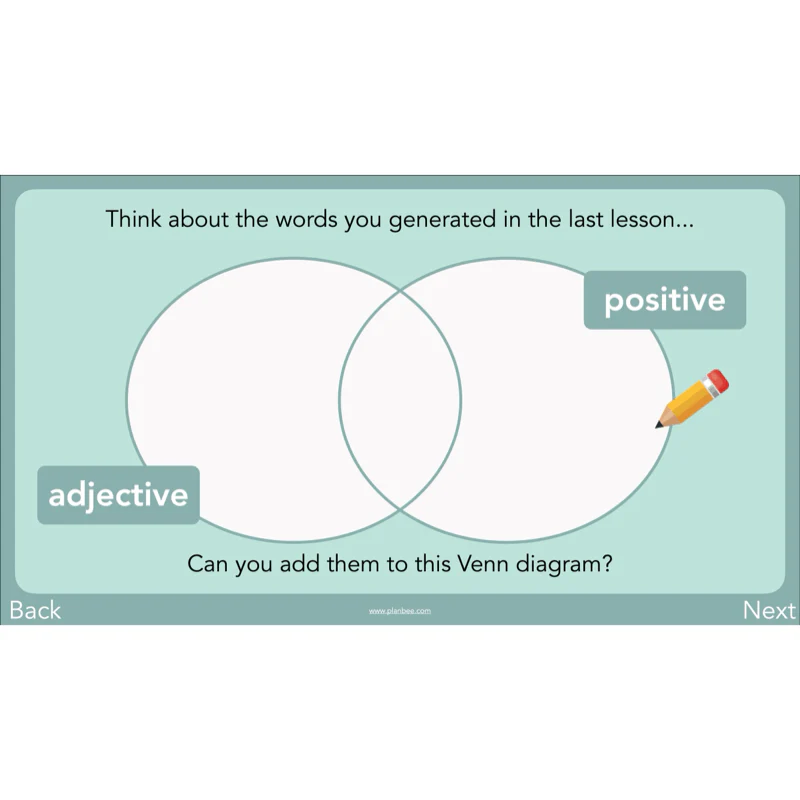
In their independent activities, children are then challenged to generate their own verbs and adjectives associated with your chosen theme or subject, and sort them according to whether they are 'positive' or 'negative'.
This lesson contains a lesson plan, a whole-class slideshow presentation, differentiated activity ideas and a range of printable teaching resources.
What's included:
- Lesson plan
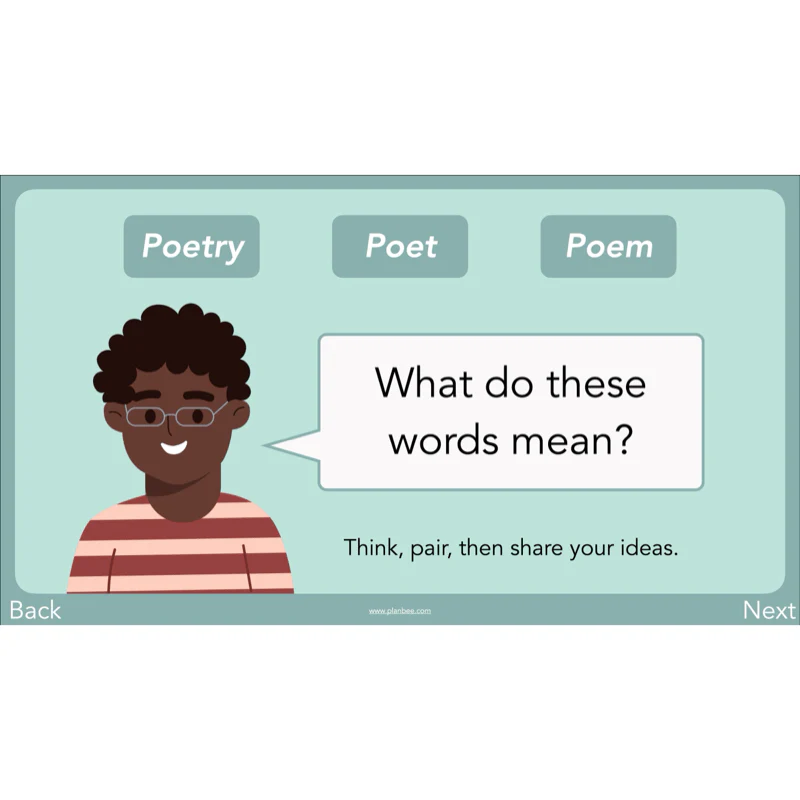
- Slides
- Activity ideas
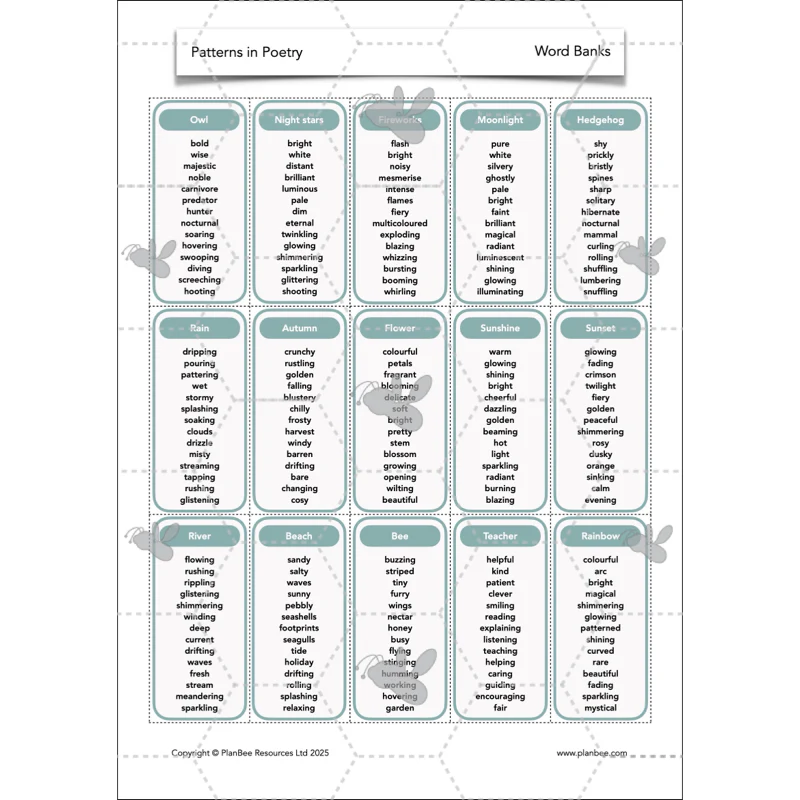
- Word cards
- Differentiated worksheets
- Question cards
- Word bank collection sheet
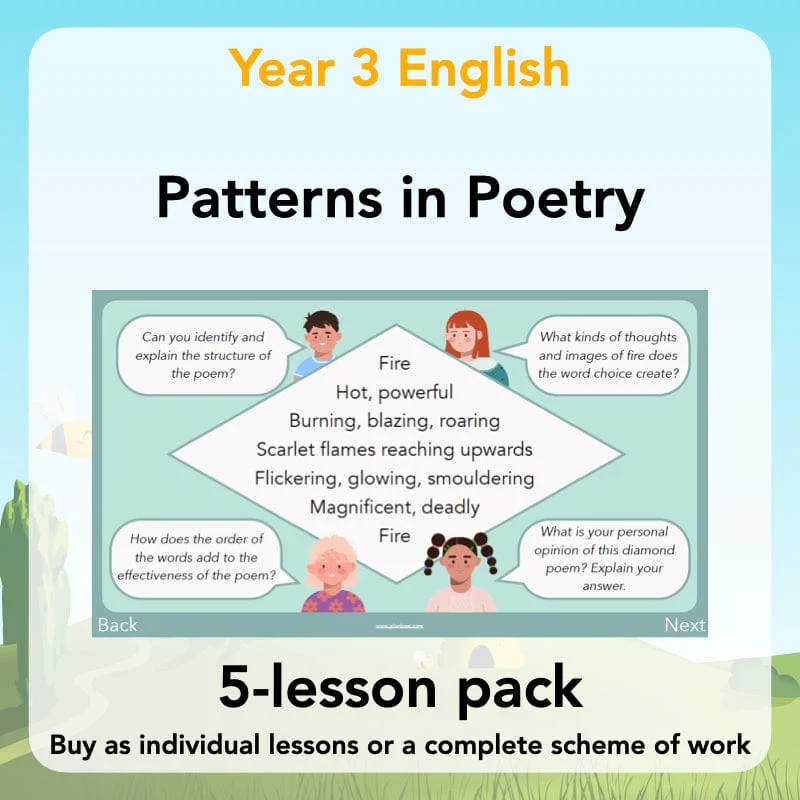
Diamond Poems
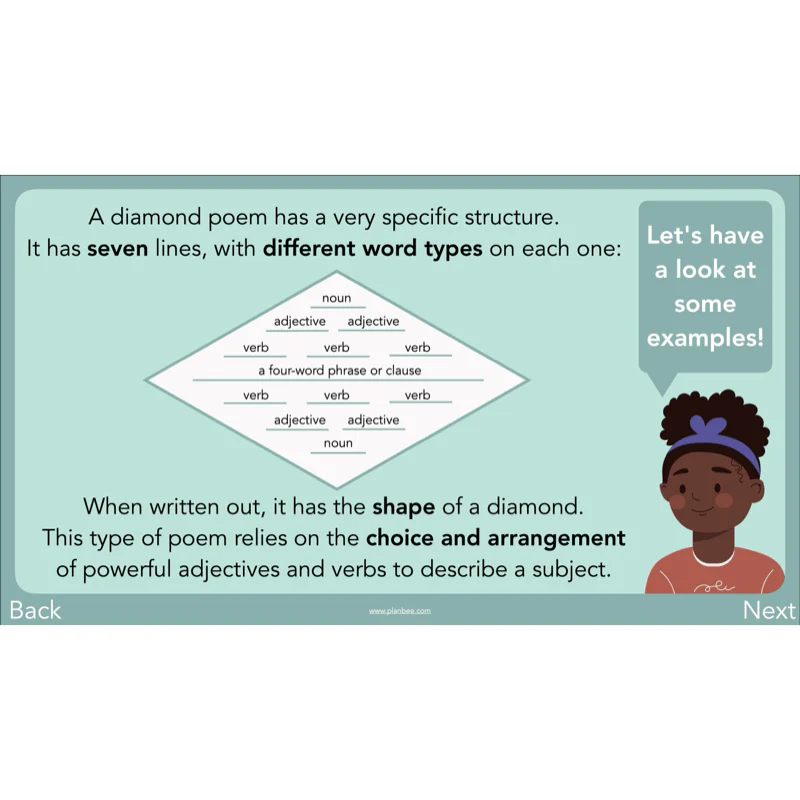
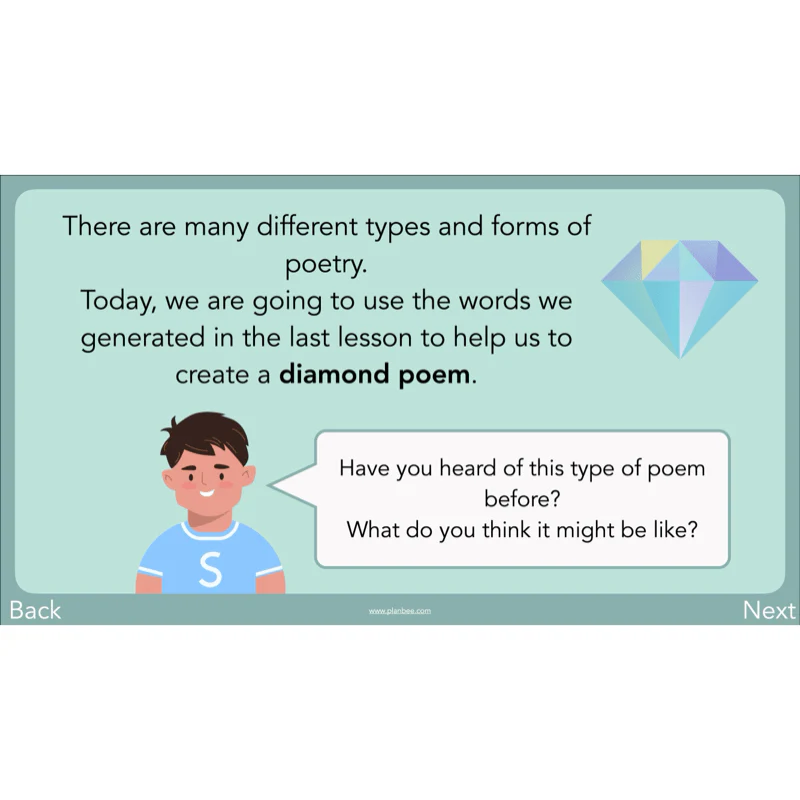
Your Year 3 children will learn to create their own diamond poems in this lesson!
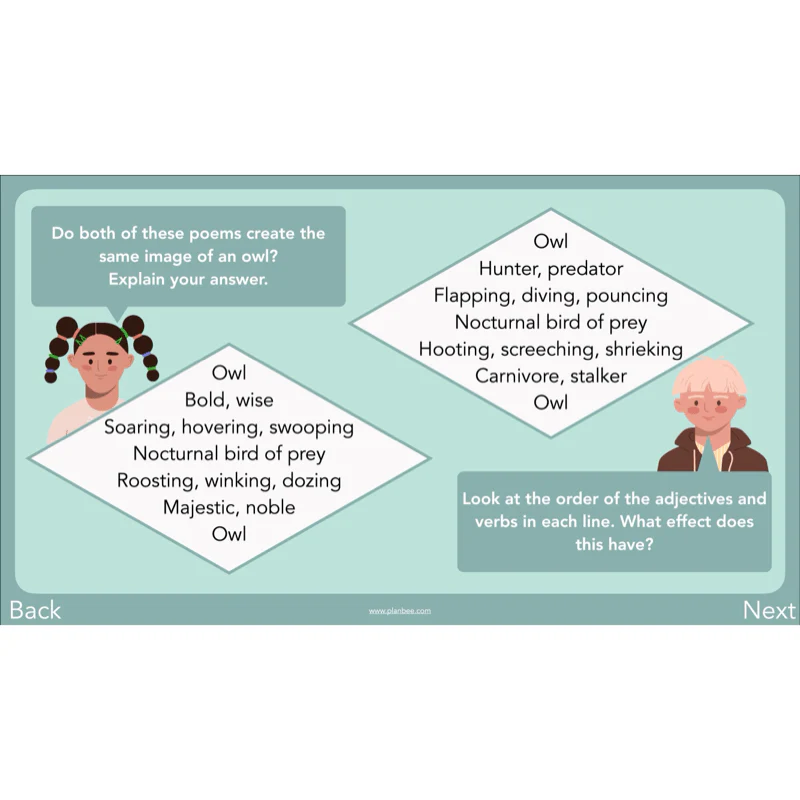
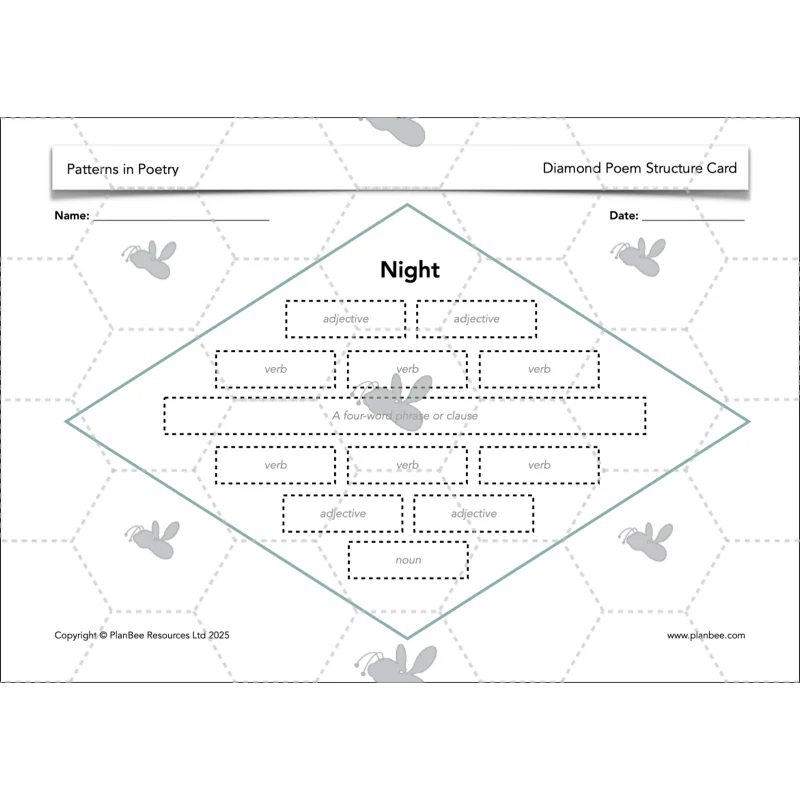
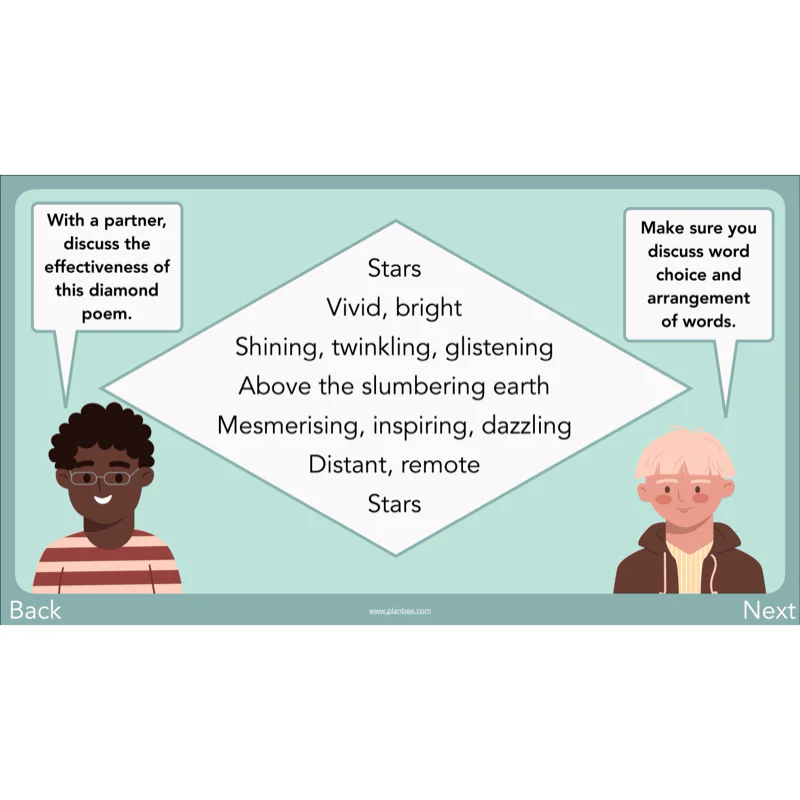
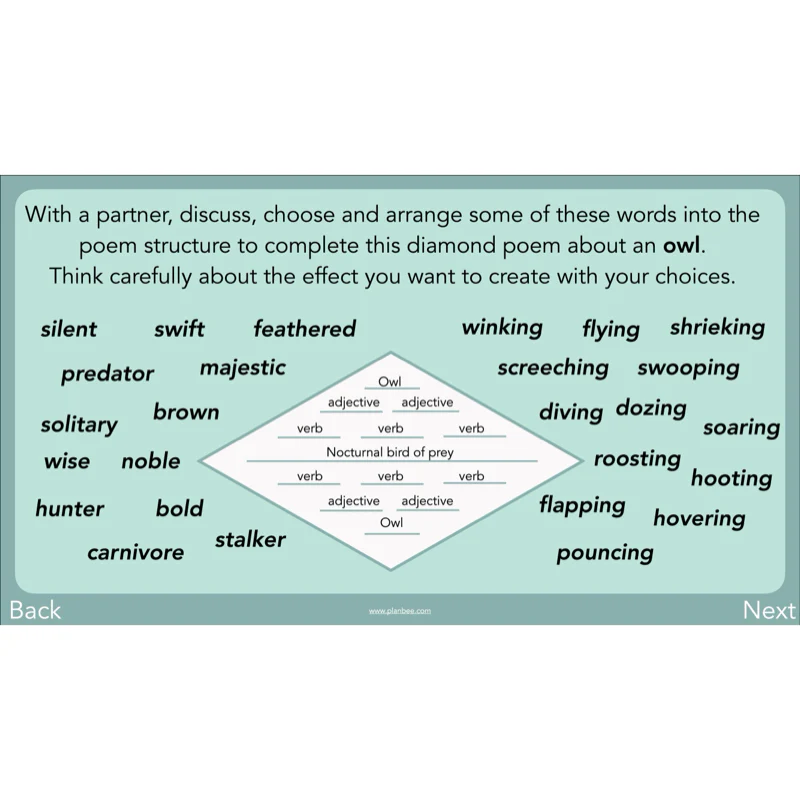
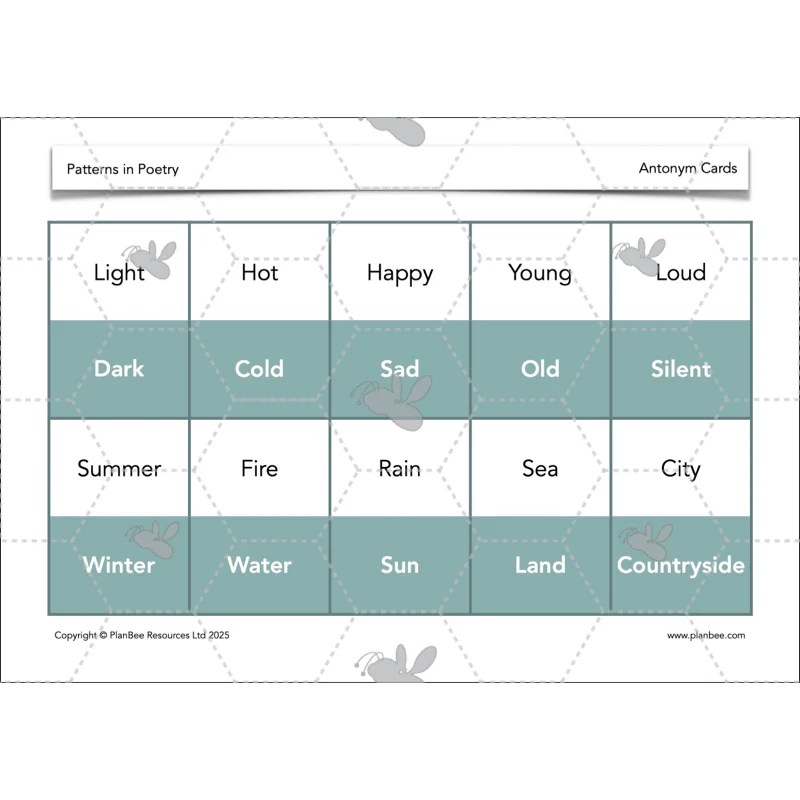
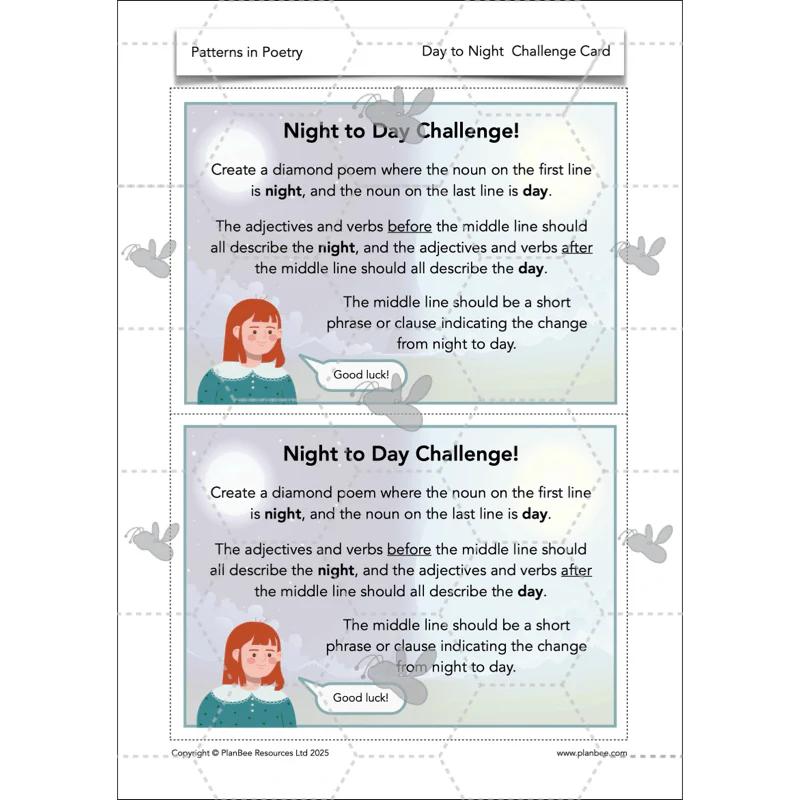
During the whole-class input, they will explore how their word choices can affect the feelings and imagery created by the diamond poem. Then, in their independent activities, they will experiment with word choice and word order before writing their own diamond poem about their chosen theme. The alternative activity challenges children to write a diamond poem that changes between antonyms.
This diamond poetry lesson for KS2 comes with everything you need to have your class creating impressive poetry in no time. There's an easy-to-follow lesson plan, a slideshow for the teaching input, differentiated activity ideas and a range of printable teaching resources.
What's included:
- Lesson plan
- Slides
- Activity ideas
- Word cards
- Diamond poem structure cards
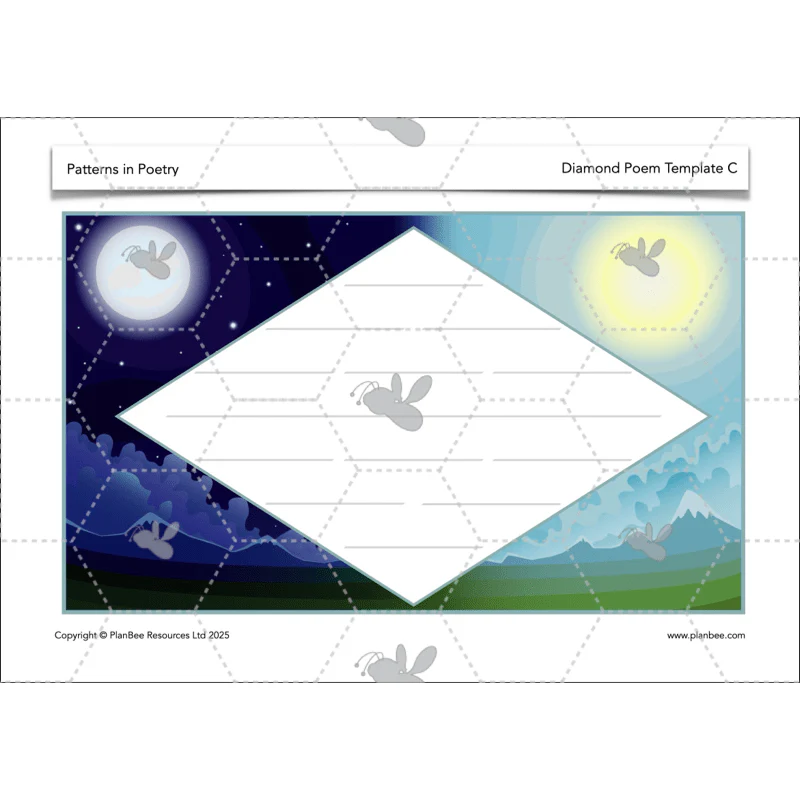
- Diamond poem template
- Night to day challenge card
- Antonym cards
Cinquains
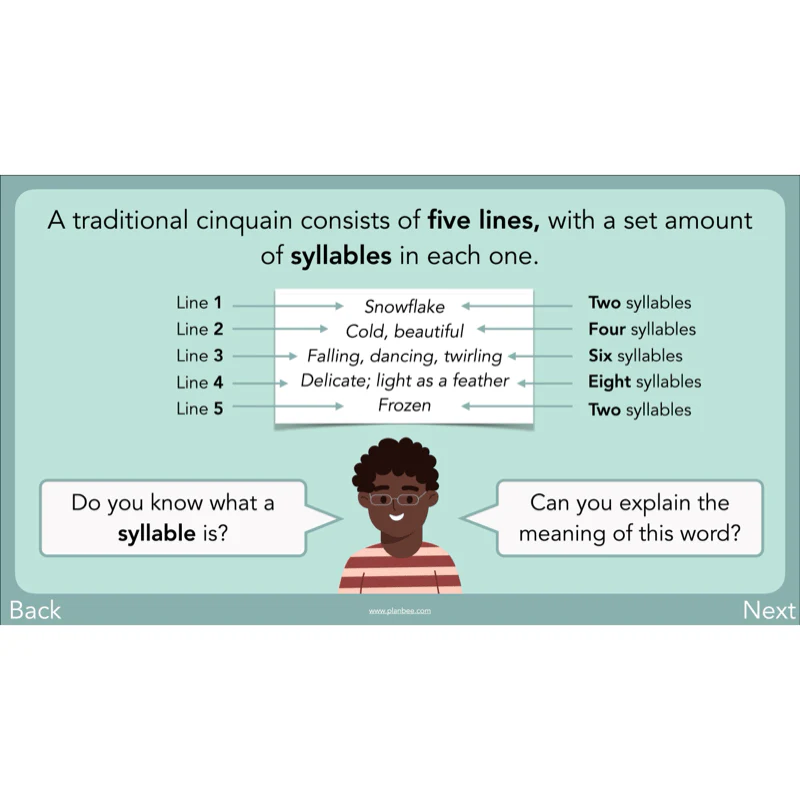
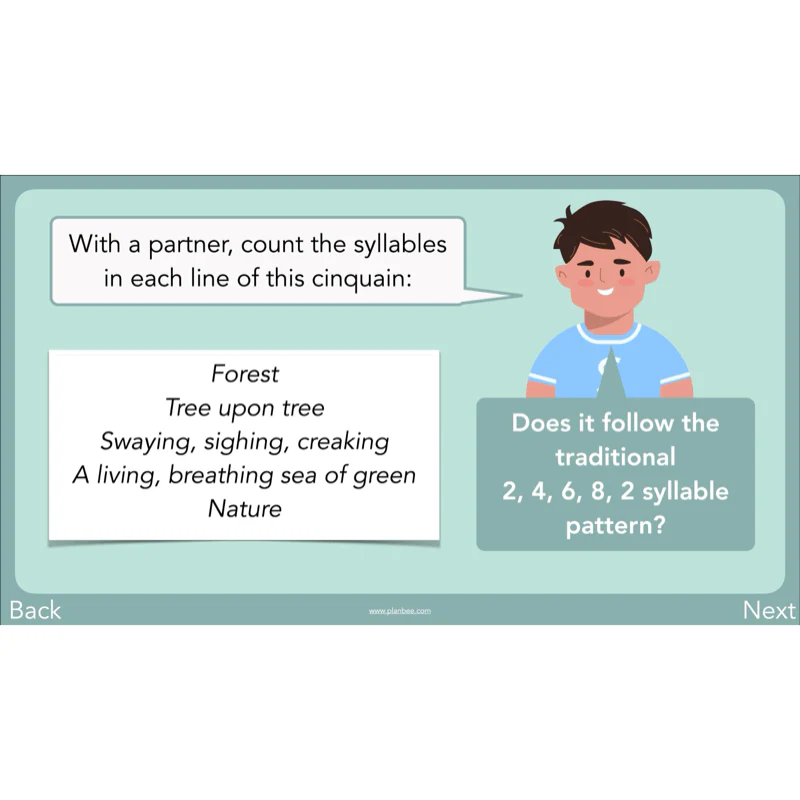
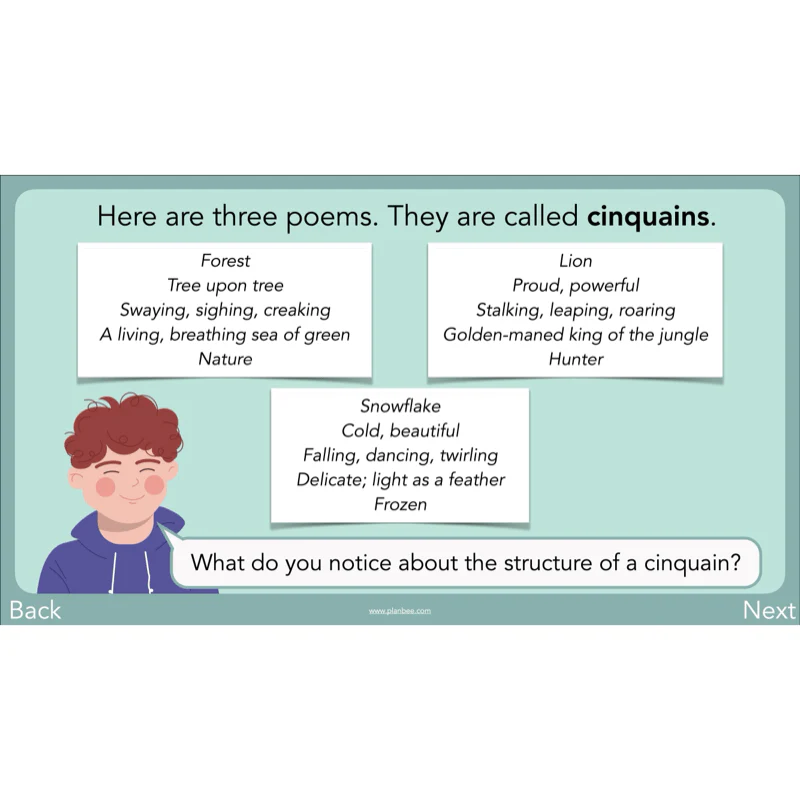
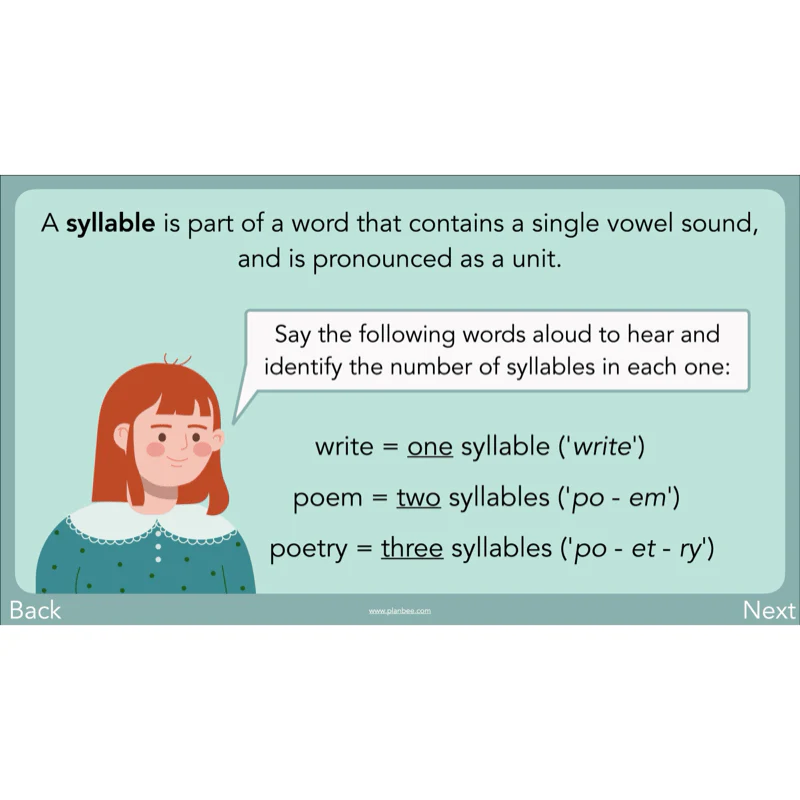
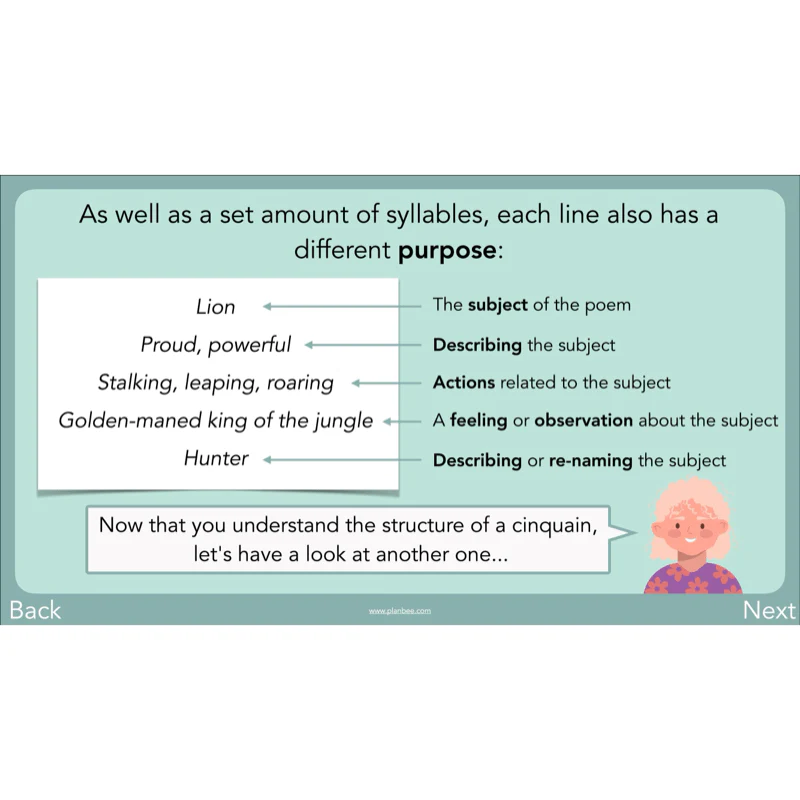
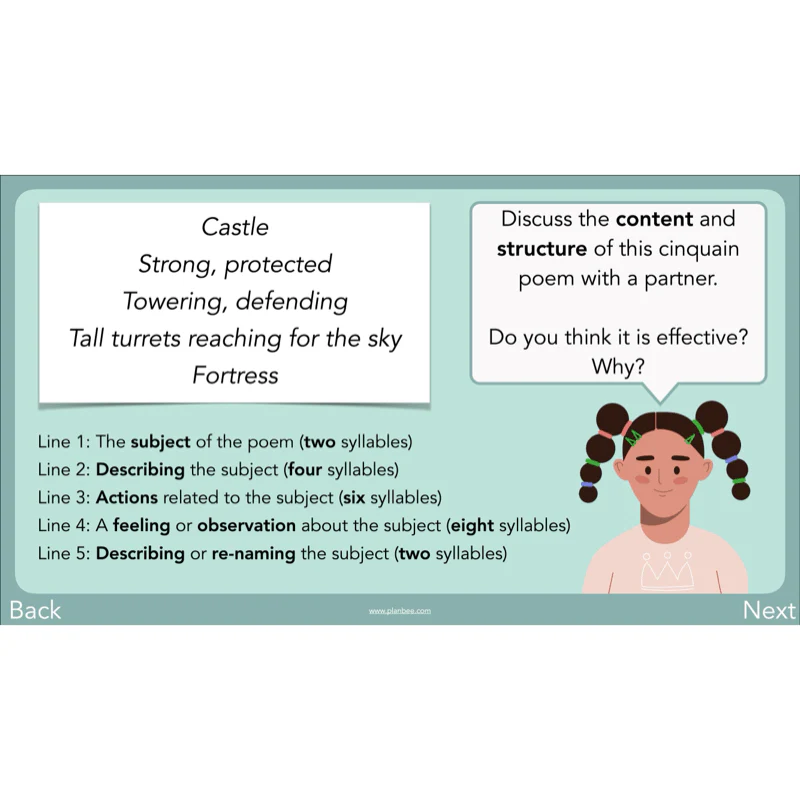
In this Cinquain Poems KS2 English lesson, your Year 3 children will explore and discuss the structure of cinquain poems, looking at the different content and number of syllables in each line.
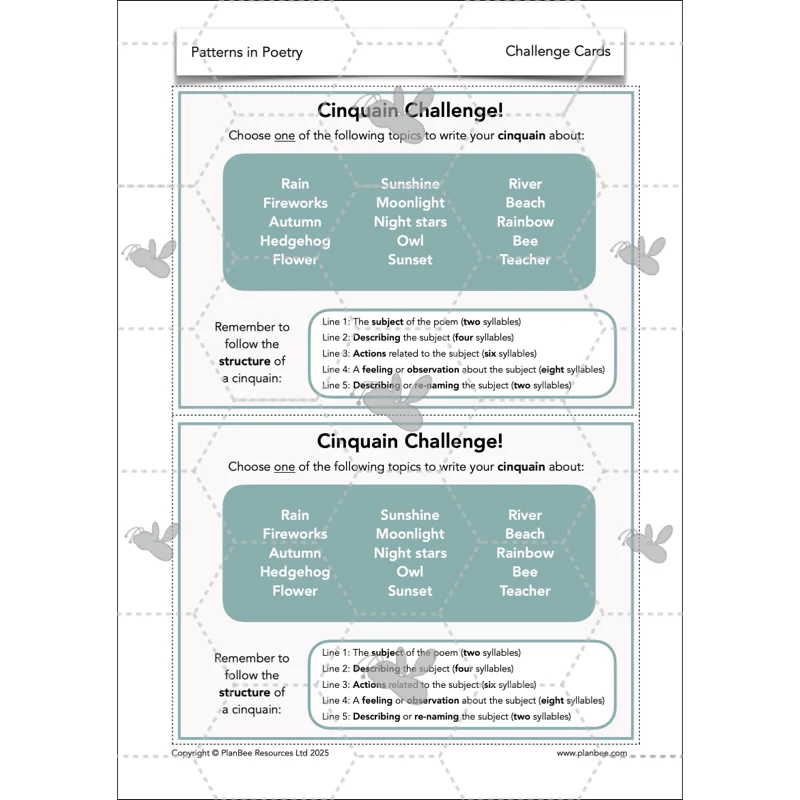
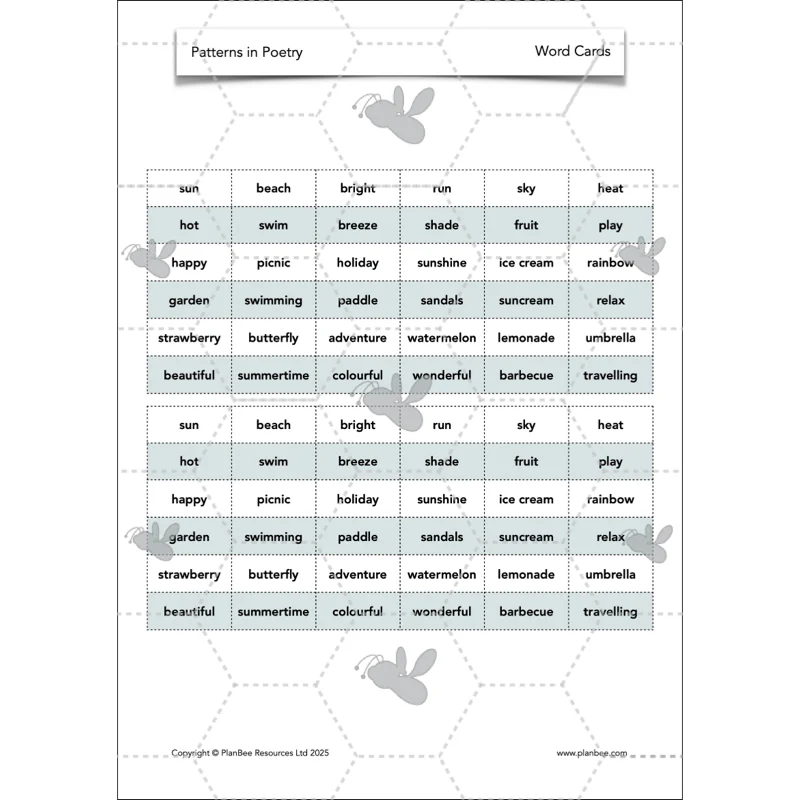
In their independent activities, children will choose from a list of subjects to write their own cinquain about. There is also the opportunity to generate a cinquain about summer using randomly generated words, challenging the children to think carefully about the position and choice of words.
This KS2 Cinquain Poems planning pack comes with a detailed lesson plan, a slideshow for the whole-class teaching input, differentiated activity ideas and a range of printable worksheets and resources to support your class as they write their own amazing cinquain poetry.
What's included:
- Lesson plan
- Slides
- Activity ideas
- Challenge cards
- Cinquain templates
- Word cards
Kennings
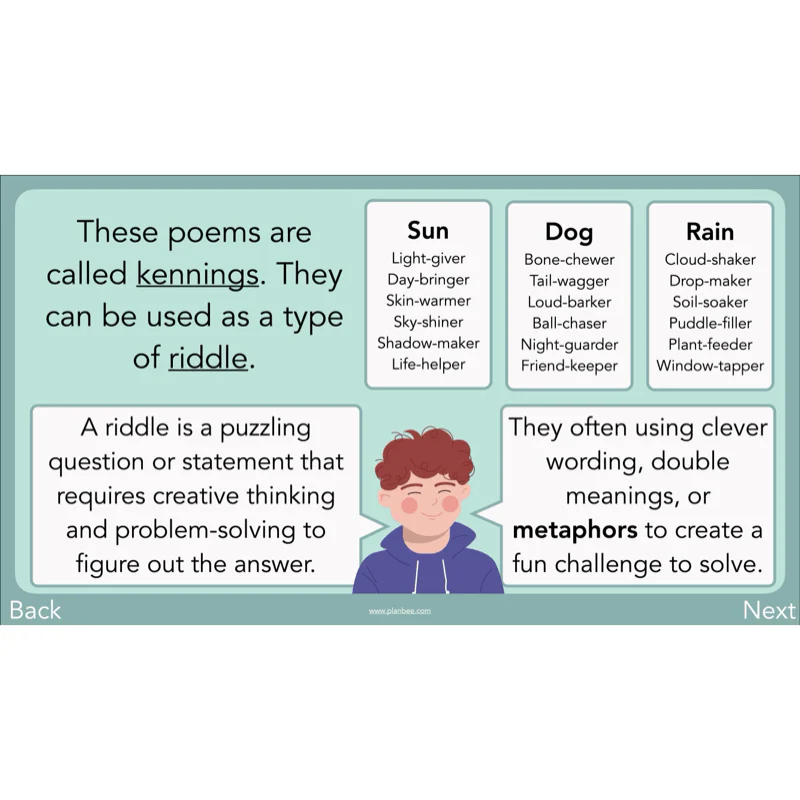
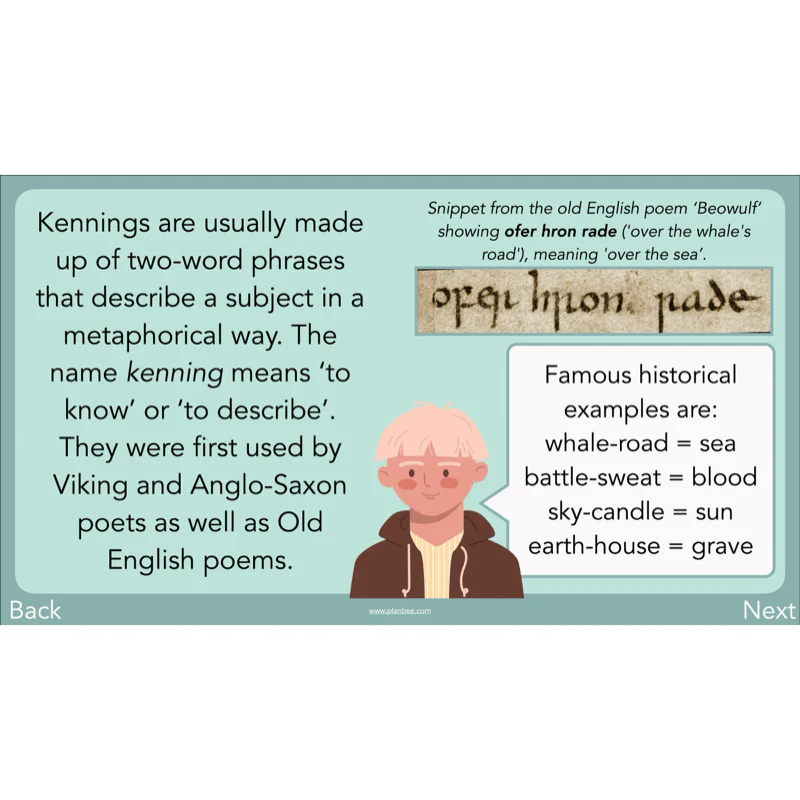
Children love to read and write riddles. The clever wordplay and metaphors will make this lesson engaging and enjoyable for your Year 3 class as they learn about kennings.
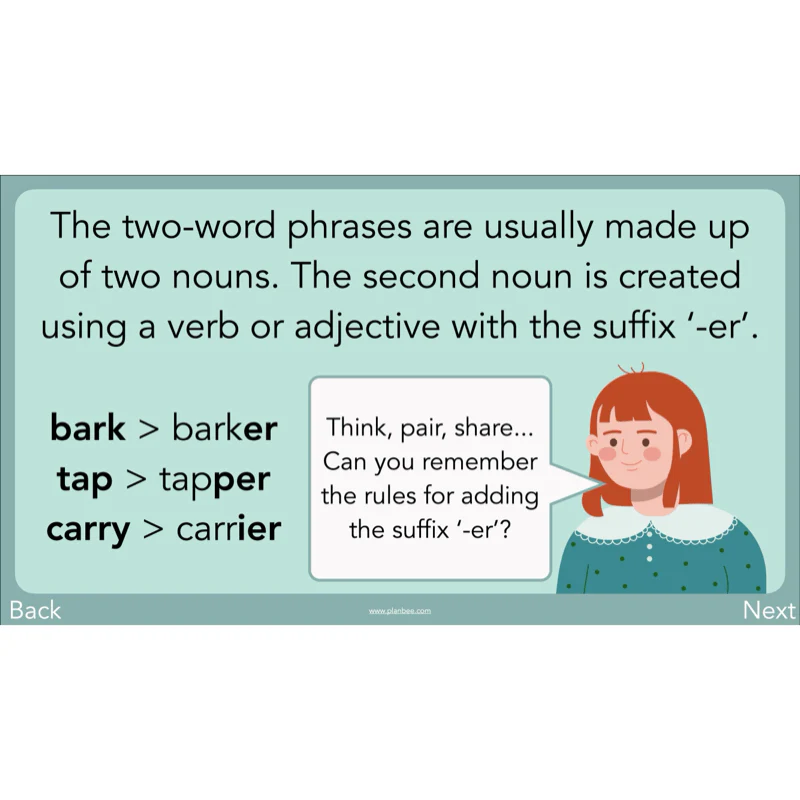
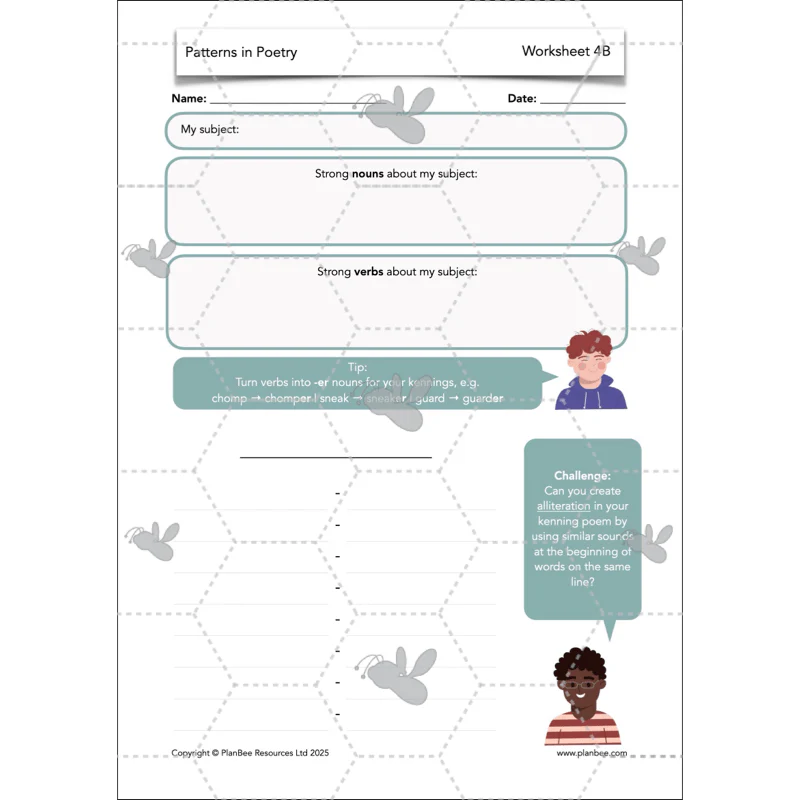
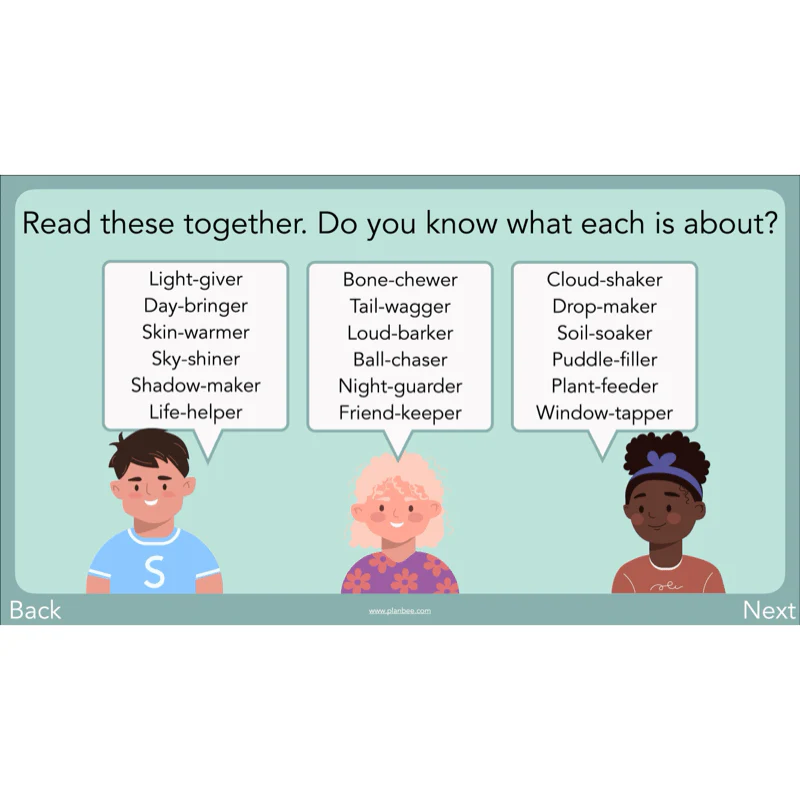
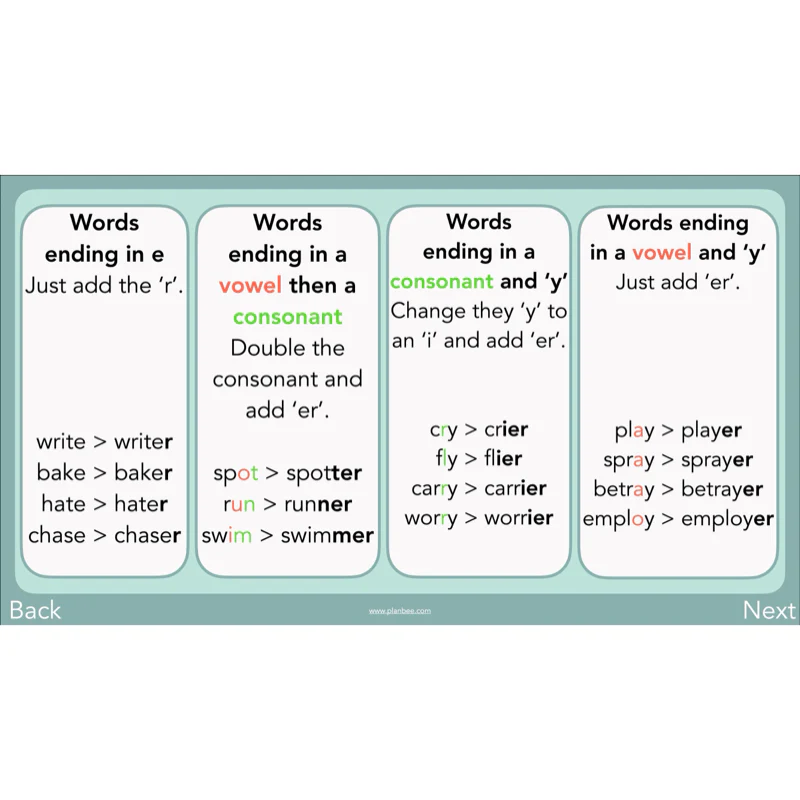
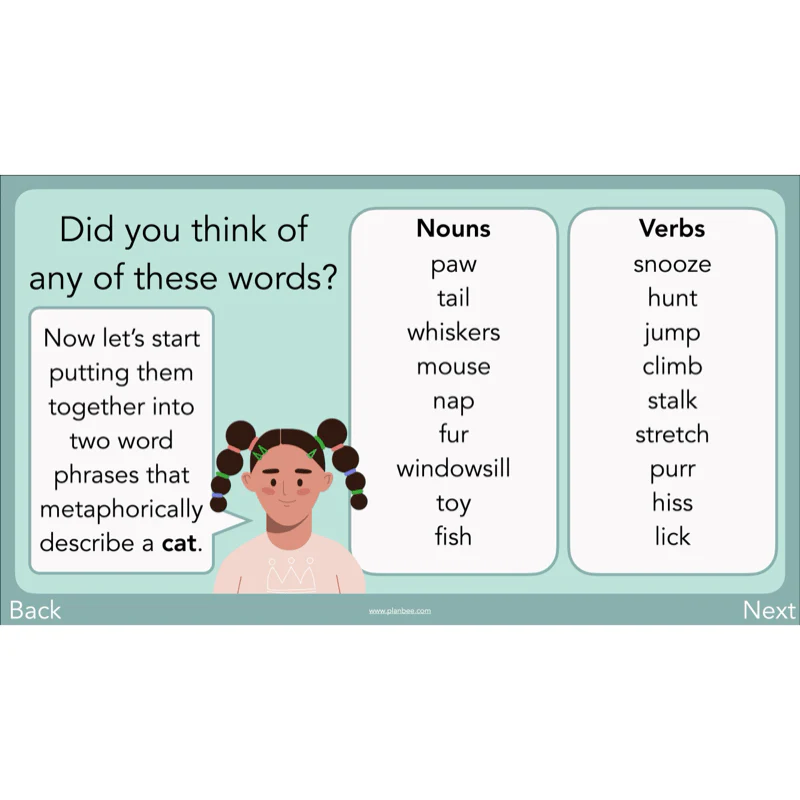
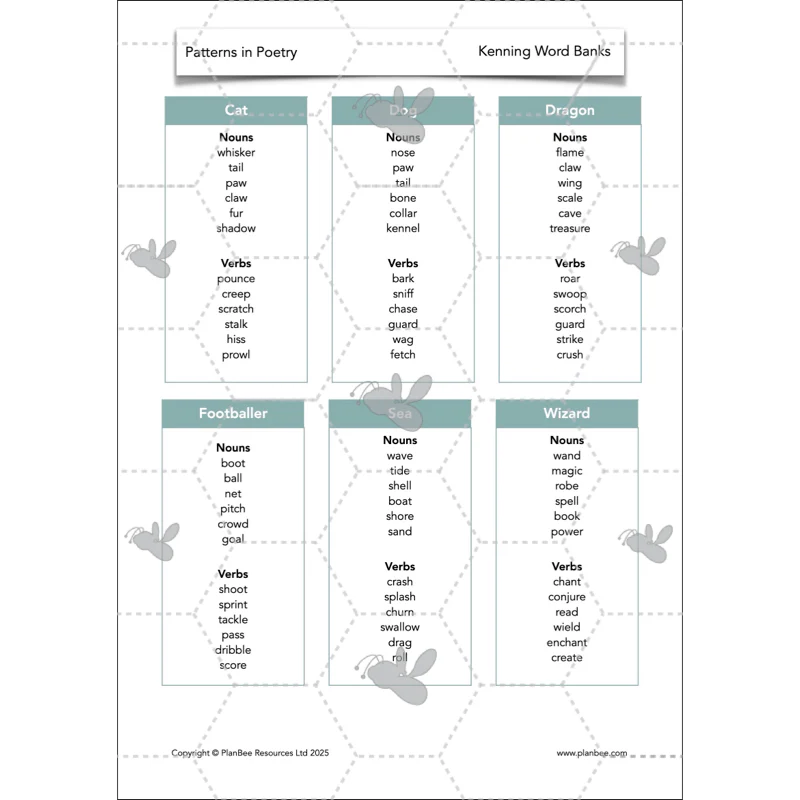
Based around the Old Norse and Old English poems, your class will use verbs and nouns (including adding the suffix -er) to build and create kennings to describe a variety of subjects.
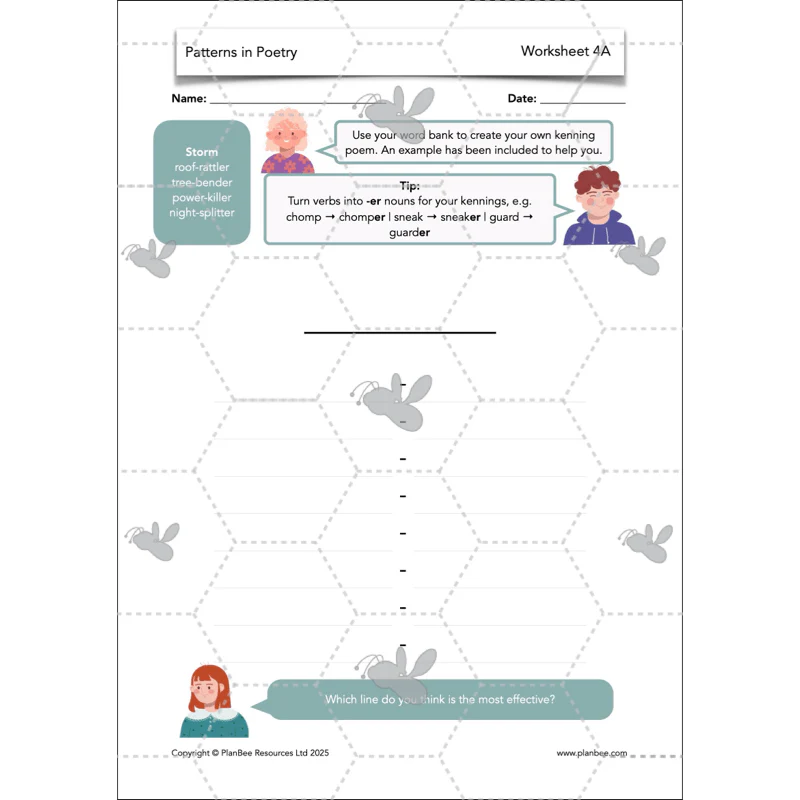
This lesson comes complete with lesson slides and printable resources to support you and your class through the differentiated activity ideas. Fancy a different activity? The alternative activity idea gives you all the flexibility you need to adapt this lesson for your class.
What's included:
- Lesson plan
- Slides
- Activity ideas
- Kenning word banks
- Differentiated worksheets
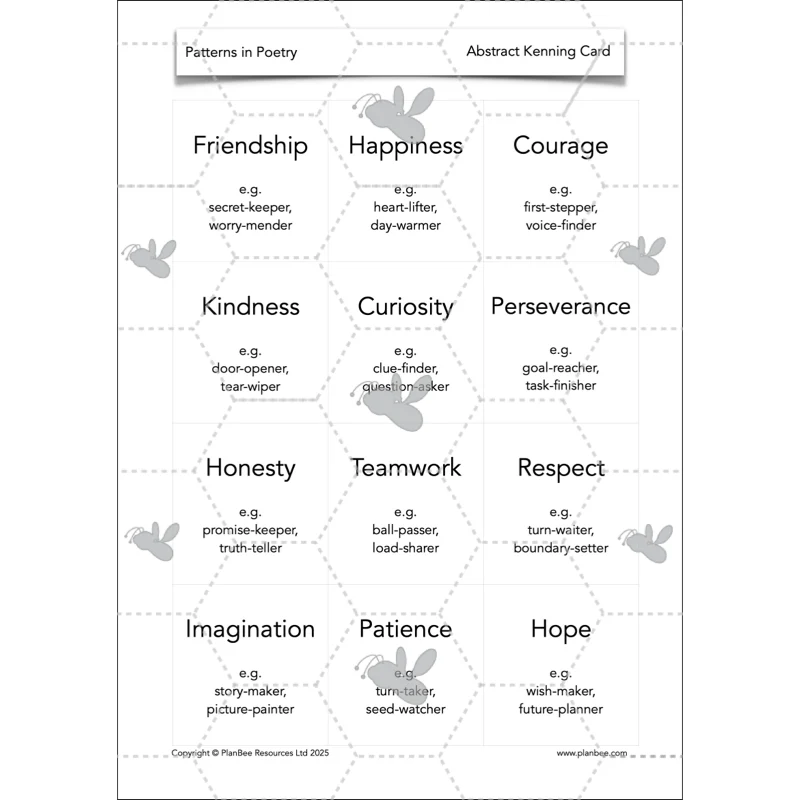
- Abstract kenning cards
- Kenning phrase cards
Performing Poetry
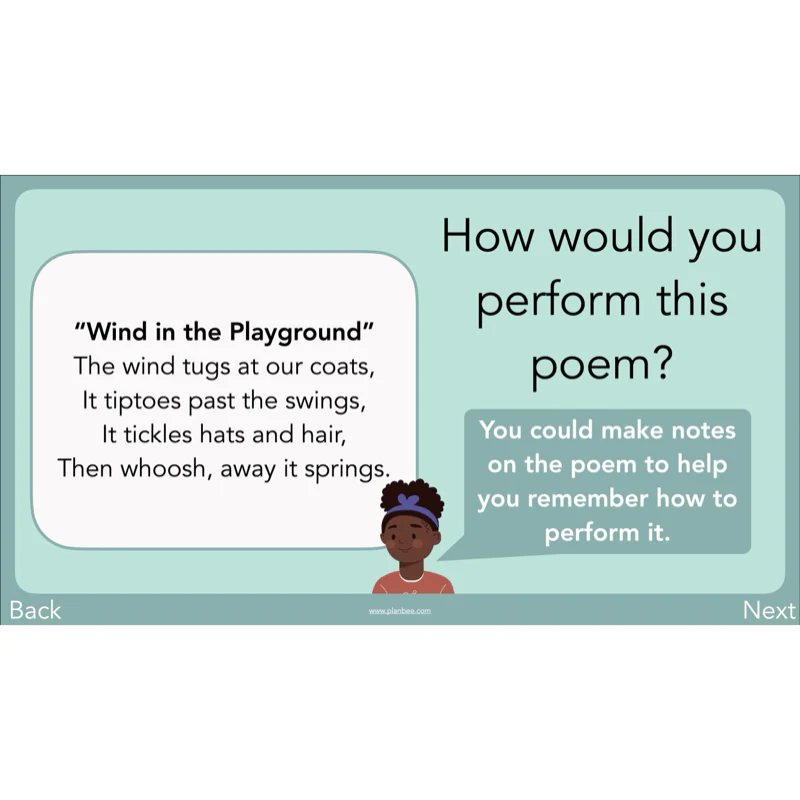
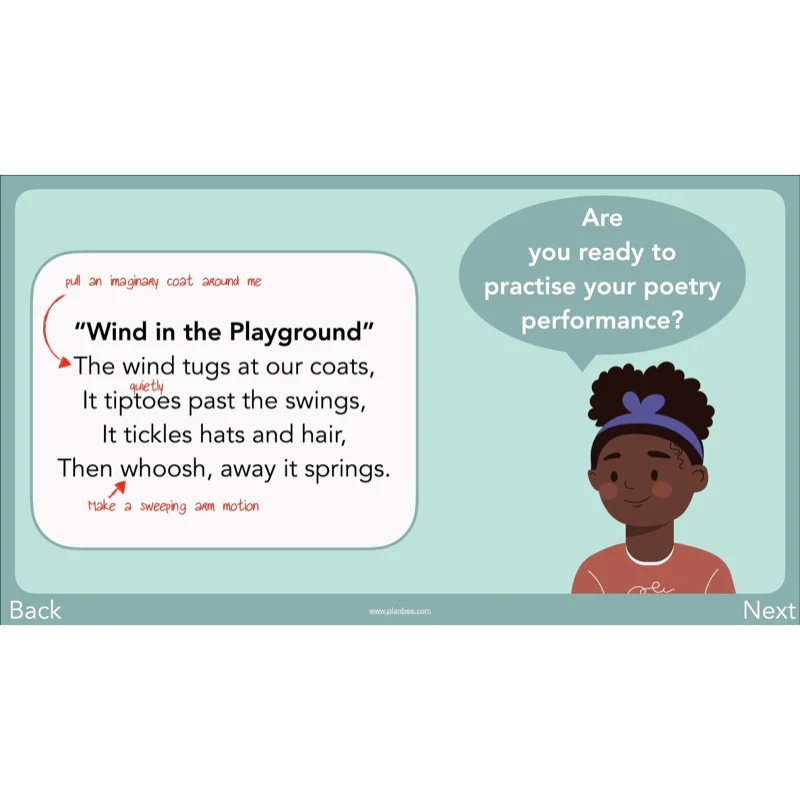
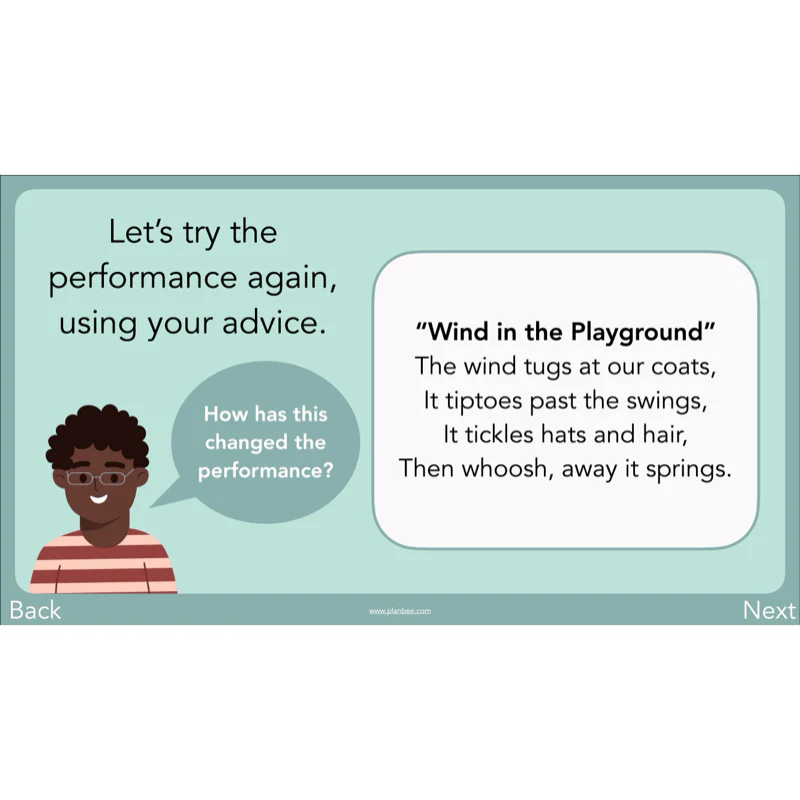
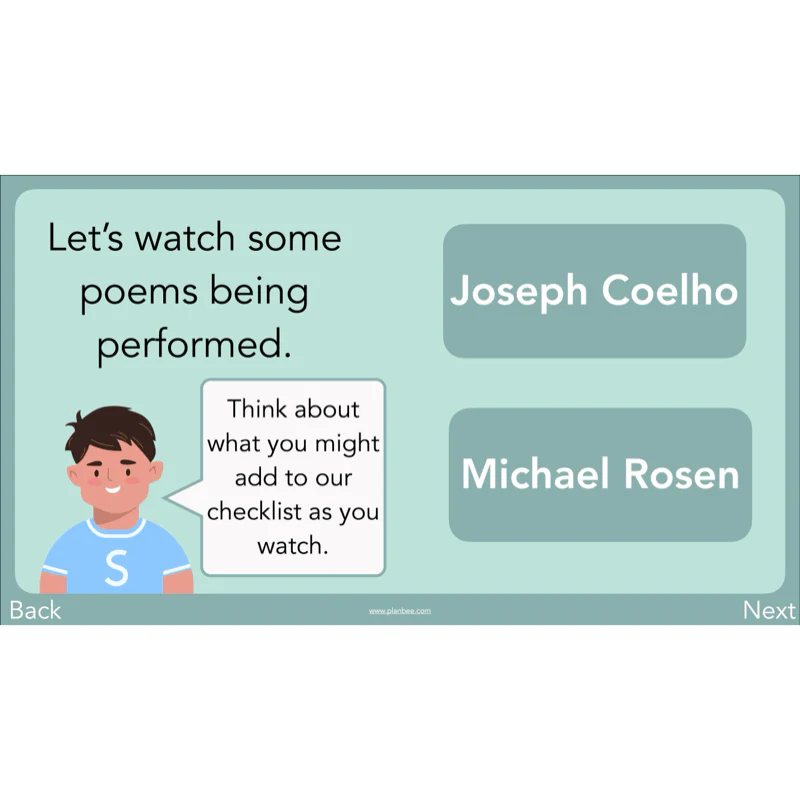
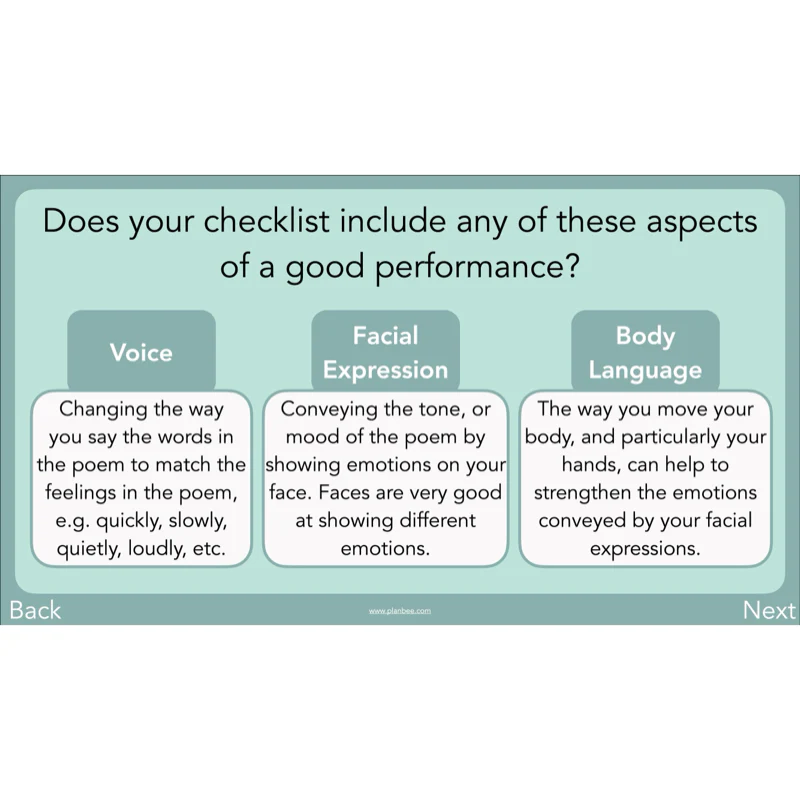
This final lesson challenges your class to perform the poems they've created thus far, or use one that has been provided. They will discuss what makes a good performance before adding these elements into their own performance of a chosen poem.
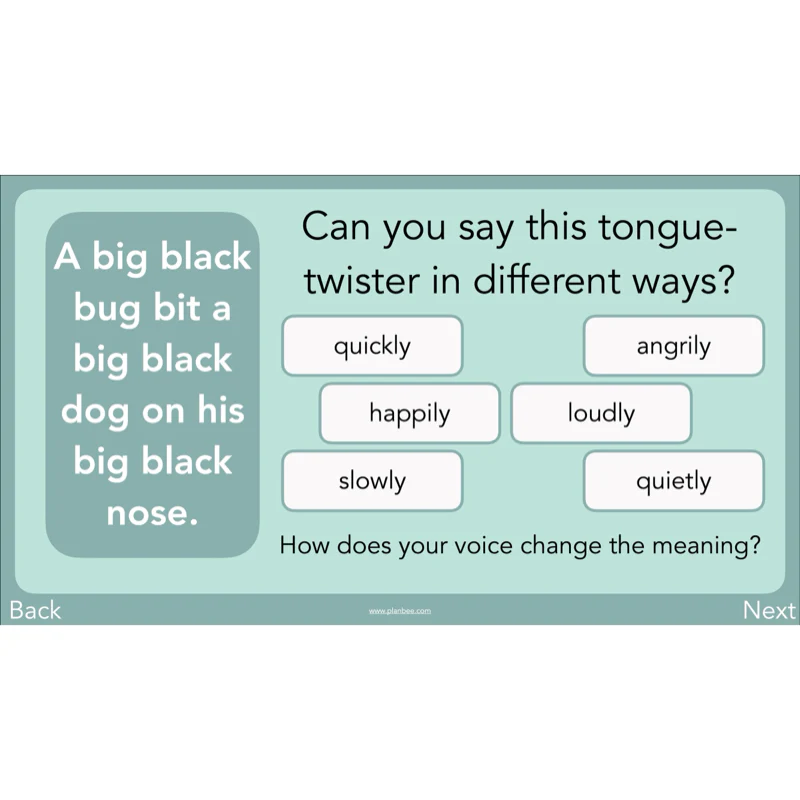
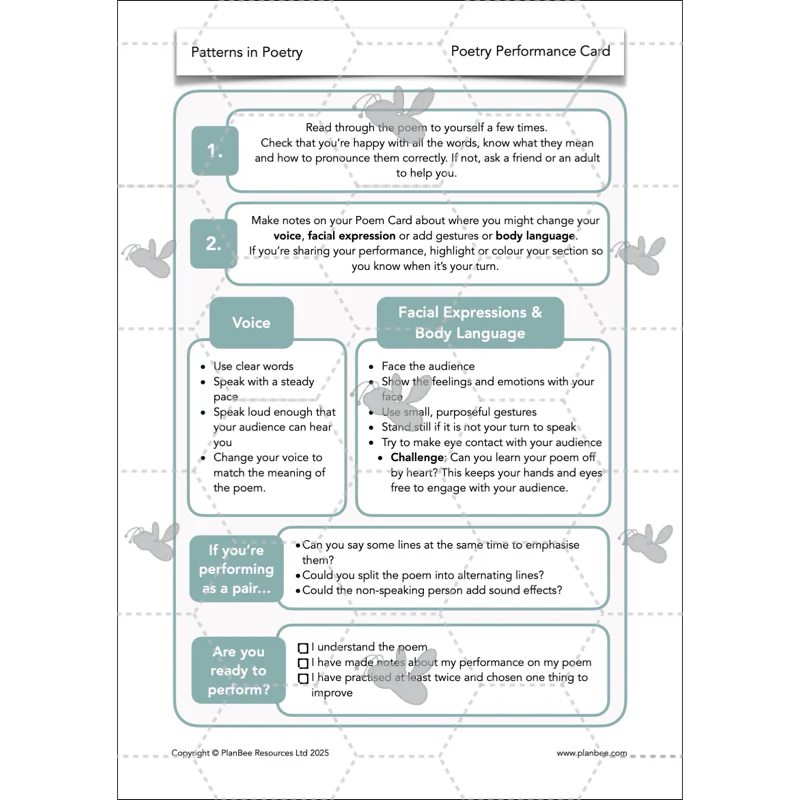
Focusing on changing our voice, facial expressions and body language to match the meanings in the poem, this performance lesson begins to build upon what your class might already have learnt about performing poetry.
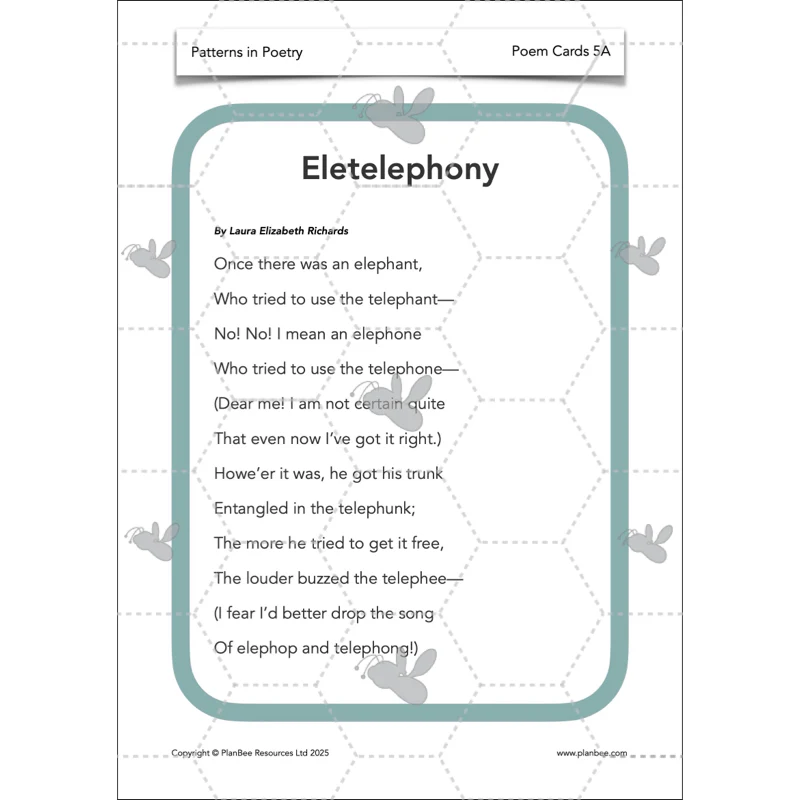
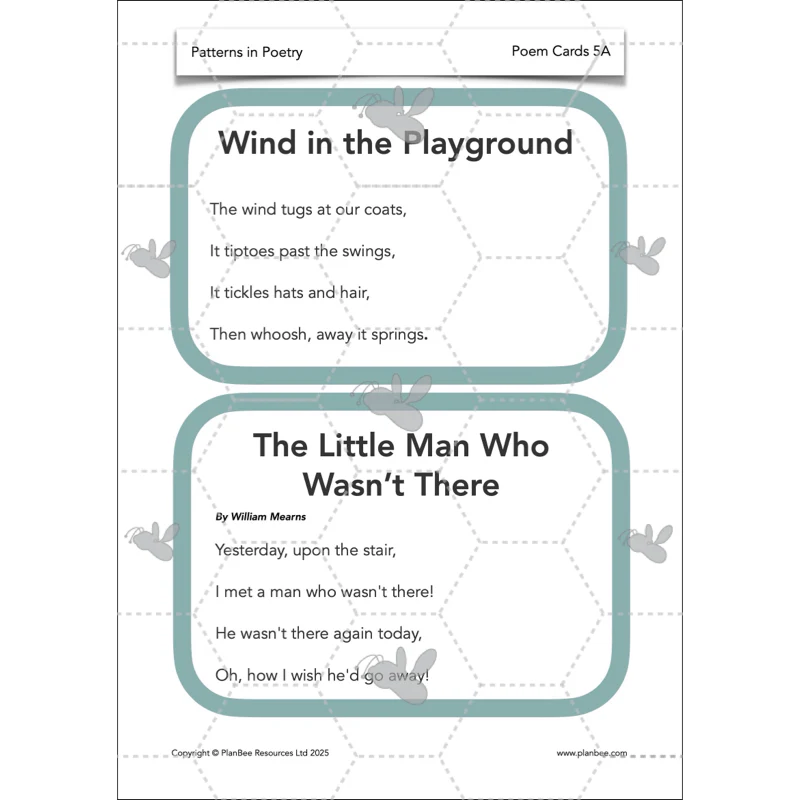
Optional, age-appropriate poems are provided within the printable resources for this lesson as well as a lesson plan, PDF lesson slides and activity ideas.
What's included:
- Lesson plan
- Slides
- Activity ideas
- Poem cards
- Poetry performing card
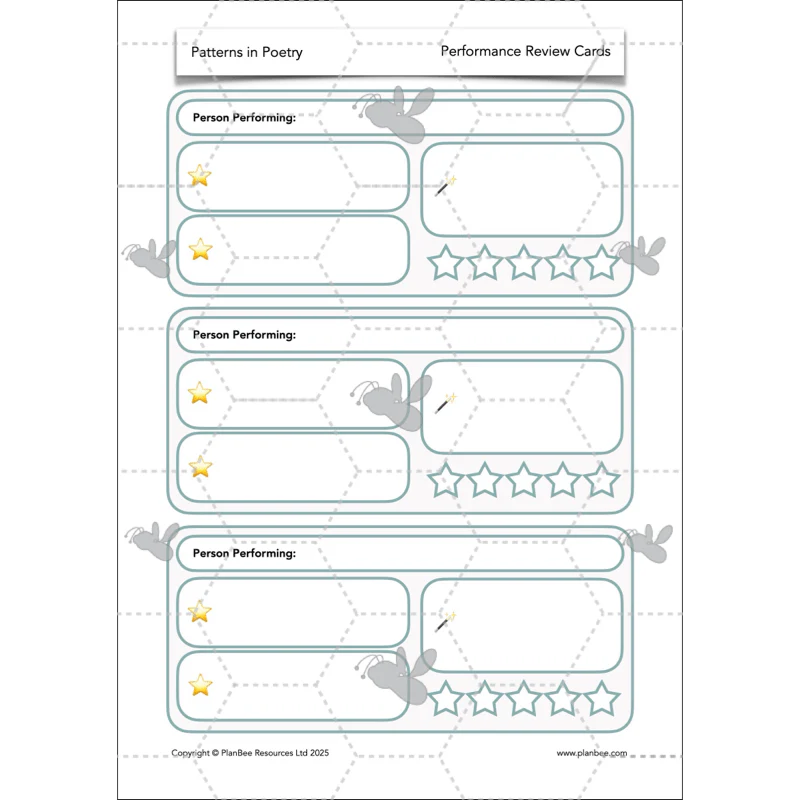
- Performance review cards
- Performance self review cards
Original: $3.49
-70%$3.49
$1.05More Images
Patterns in Poetry
This Year 3 poetry planning pack will help teach your children how to carefully select and arrange words to create interesting and effective poems, inspired by a collaborative theme or one chosen by the children.
Across the lessons, they will gather vocabulary to describe their chosen theme, then use this vocabulary to help them create diamond poems, kennings and cinquains. Finally, the children will work on a performance of one of the poems they have written or a themed poem provided by you or from the provided resources.
Each lesson in this Year 3 poetry planning pack comes with an easy-to-follow lesson plan, a fun slideshow for the teaching input, differentiated activity ideas and a range of printable resources to support their independent learning.
Word Choice
In this Year 3 poetry word choice lesson, your class will learn the importance of carefully selecting words and vocabulary when writing a poem. Together, they will discuss how words can create positive or negative thoughts and images about the noun that they are describing.
In their independent activities, children are then challenged to generate their own verbs and adjectives associated with your chosen theme or subject, and sort them according to whether they are 'positive' or 'negative'.
This lesson contains a lesson plan, a whole-class slideshow presentation, differentiated activity ideas and a range of printable teaching resources.
What's included:
- Lesson plan
- Slides
- Activity ideas
- Word cards
- Differentiated worksheets
- Question cards
- Word bank collection sheet
Diamond Poems
Your Year 3 children will learn to create their own diamond poems in this lesson!
During the whole-class input, they will explore how their word choices can affect the feelings and imagery created by the diamond poem. Then, in their independent activities, they will experiment with word choice and word order before writing their own diamond poem about their chosen theme. The alternative activity challenges children to write a diamond poem that changes between antonyms.
This diamond poetry lesson for KS2 comes with everything you need to have your class creating impressive poetry in no time. There's an easy-to-follow lesson plan, a slideshow for the teaching input, differentiated activity ideas and a range of printable teaching resources.
What's included:
- Lesson plan
- Slides
- Activity ideas
- Word cards
- Diamond poem structure cards
- Diamond poem template
- Night to day challenge card
- Antonym cards
Cinquains
In this Cinquain Poems KS2 English lesson, your Year 3 children will explore and discuss the structure of cinquain poems, looking at the different content and number of syllables in each line.
In their independent activities, children will choose from a list of subjects to write their own cinquain about. There is also the opportunity to generate a cinquain about summer using randomly generated words, challenging the children to think carefully about the position and choice of words.
This KS2 Cinquain Poems planning pack comes with a detailed lesson plan, a slideshow for the whole-class teaching input, differentiated activity ideas and a range of printable worksheets and resources to support your class as they write their own amazing cinquain poetry.
What's included:
- Lesson plan
- Slides
- Activity ideas
- Challenge cards
- Cinquain templates
- Word cards
Kennings
Children love to read and write riddles. The clever wordplay and metaphors will make this lesson engaging and enjoyable for your Year 3 class as they learn about kennings.
Based around the Old Norse and Old English poems, your class will use verbs and nouns (including adding the suffix -er) to build and create kennings to describe a variety of subjects.
This lesson comes complete with lesson slides and printable resources to support you and your class through the differentiated activity ideas. Fancy a different activity? The alternative activity idea gives you all the flexibility you need to adapt this lesson for your class.
What's included:
- Lesson plan
- Slides
- Activity ideas
- Kenning word banks
- Differentiated worksheets
- Abstract kenning cards
- Kenning phrase cards
Performing Poetry
This final lesson challenges your class to perform the poems they've created thus far, or use one that has been provided. They will discuss what makes a good performance before adding these elements into their own performance of a chosen poem.
Focusing on changing our voice, facial expressions and body language to match the meanings in the poem, this performance lesson begins to build upon what your class might already have learnt about performing poetry.
Optional, age-appropriate poems are provided within the printable resources for this lesson as well as a lesson plan, PDF lesson slides and activity ideas.
What's included:
- Lesson plan
- Slides
- Activity ideas
- Poem cards
- Poetry performing card
- Performance review cards
- Performance self review cards
Product Information
Product Information
Shipping & Returns
Shipping & Returns
Description
This Year 3 poetry planning pack will help teach your children how to carefully select and arrange words to create interesting and effective poems, inspired by a collaborative theme or one chosen by the children.
Across the lessons, they will gather vocabulary to describe their chosen theme, then use this vocabulary to help them create diamond poems, kennings and cinquains. Finally, the children will work on a performance of one of the poems they have written or a themed poem provided by you or from the provided resources.
Each lesson in this Year 3 poetry planning pack comes with an easy-to-follow lesson plan, a fun slideshow for the teaching input, differentiated activity ideas and a range of printable resources to support their independent learning.
Word Choice
In this Year 3 poetry word choice lesson, your class will learn the importance of carefully selecting words and vocabulary when writing a poem. Together, they will discuss how words can create positive or negative thoughts and images about the noun that they are describing.
In their independent activities, children are then challenged to generate their own verbs and adjectives associated with your chosen theme or subject, and sort them according to whether they are 'positive' or 'negative'.
This lesson contains a lesson plan, a whole-class slideshow presentation, differentiated activity ideas and a range of printable teaching resources.
What's included:
- Lesson plan
- Slides
- Activity ideas
- Word cards
- Differentiated worksheets
- Question cards
- Word bank collection sheet
Diamond Poems
Your Year 3 children will learn to create their own diamond poems in this lesson!
During the whole-class input, they will explore how their word choices can affect the feelings and imagery created by the diamond poem. Then, in their independent activities, they will experiment with word choice and word order before writing their own diamond poem about their chosen theme. The alternative activity challenges children to write a diamond poem that changes between antonyms.
This diamond poetry lesson for KS2 comes with everything you need to have your class creating impressive poetry in no time. There's an easy-to-follow lesson plan, a slideshow for the teaching input, differentiated activity ideas and a range of printable teaching resources.
What's included:
- Lesson plan
- Slides
- Activity ideas
- Word cards
- Diamond poem structure cards
- Diamond poem template
- Night to day challenge card
- Antonym cards
Cinquains
In this Cinquain Poems KS2 English lesson, your Year 3 children will explore and discuss the structure of cinquain poems, looking at the different content and number of syllables in each line.
In their independent activities, children will choose from a list of subjects to write their own cinquain about. There is also the opportunity to generate a cinquain about summer using randomly generated words, challenging the children to think carefully about the position and choice of words.
This KS2 Cinquain Poems planning pack comes with a detailed lesson plan, a slideshow for the whole-class teaching input, differentiated activity ideas and a range of printable worksheets and resources to support your class as they write their own amazing cinquain poetry.
What's included:
- Lesson plan
- Slides
- Activity ideas
- Challenge cards
- Cinquain templates
- Word cards
Kennings
Children love to read and write riddles. The clever wordplay and metaphors will make this lesson engaging and enjoyable for your Year 3 class as they learn about kennings.
Based around the Old Norse and Old English poems, your class will use verbs and nouns (including adding the suffix -er) to build and create kennings to describe a variety of subjects.
This lesson comes complete with lesson slides and printable resources to support you and your class through the differentiated activity ideas. Fancy a different activity? The alternative activity idea gives you all the flexibility you need to adapt this lesson for your class.
What's included:
- Lesson plan
- Slides
- Activity ideas
- Kenning word banks
- Differentiated worksheets
- Abstract kenning cards
- Kenning phrase cards
Performing Poetry
This final lesson challenges your class to perform the poems they've created thus far, or use one that has been provided. They will discuss what makes a good performance before adding these elements into their own performance of a chosen poem.
Focusing on changing our voice, facial expressions and body language to match the meanings in the poem, this performance lesson begins to build upon what your class might already have learnt about performing poetry.
Optional, age-appropriate poems are provided within the printable resources for this lesson as well as a lesson plan, PDF lesson slides and activity ideas.
What's included:
- Lesson plan
- Slides
- Activity ideas
- Poem cards
- Poetry performing card
- Performance review cards
- Performance self review cards