Place Value and Ordering
This Year 4 'Place Value and Ordering' series of lessons is jam-packed full of fun ways to teach your class about four-digit numbers and their place value. They will recap their knowledge of three-digit numbers, learn to order large numbers, count in multiples of 6, 7, 9, 25, 100, solve problems involving numbers and learn to read Roman numerals to 100.
With detailed lesson plans, engaging slides, differentiated worksheets and many other helpful resources, these 'Place Value' lessons contain everything you need teach your class what they need to know about identifying, ordering and using large numbers.
Four-digit numbers
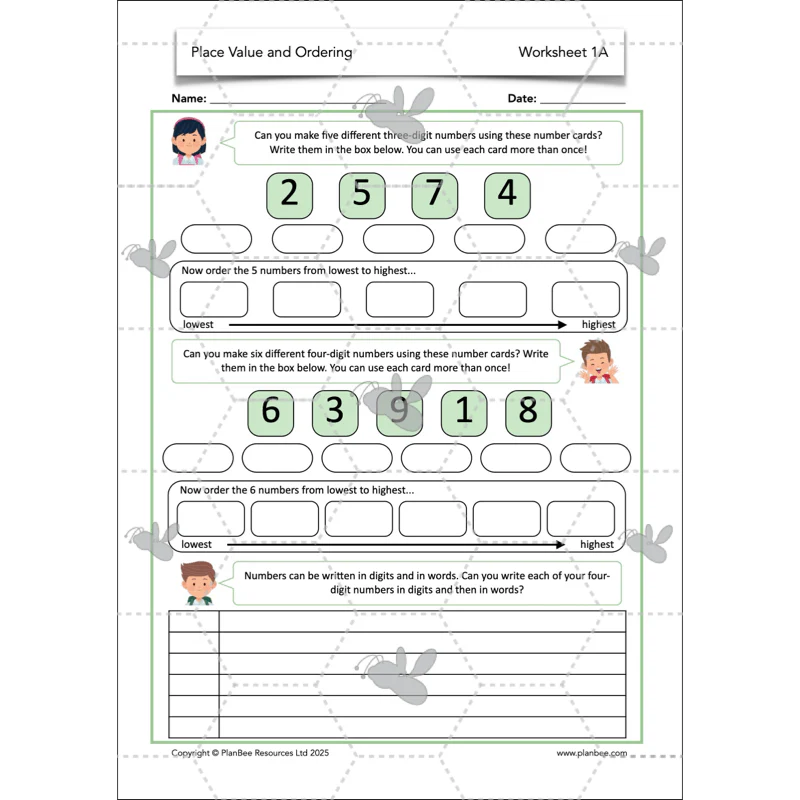
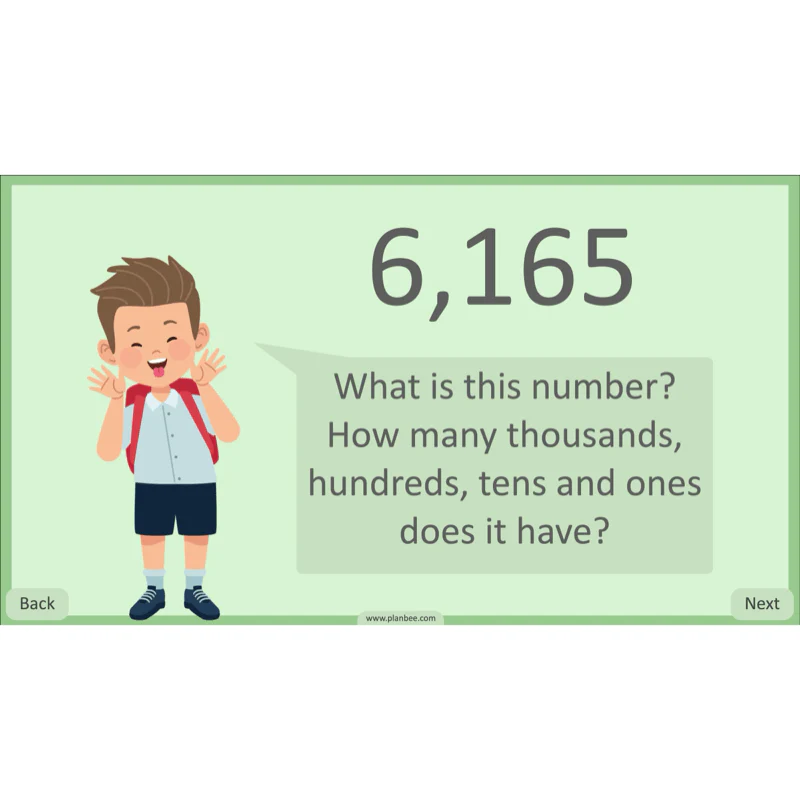
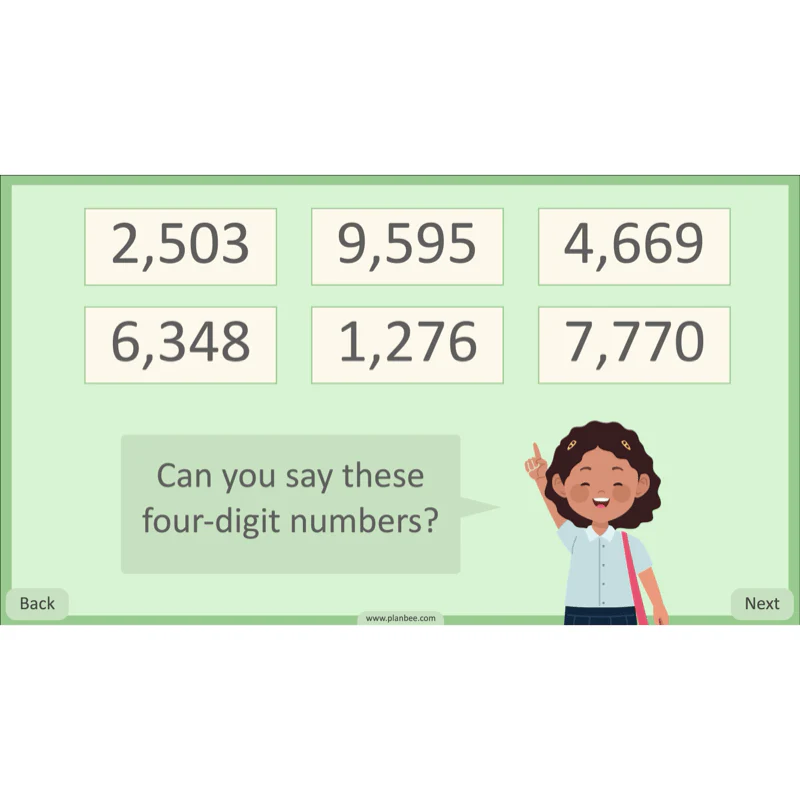
This series of lessons begins with a recap of what a three-digit number is and what the place value of each digit is. The children will then be introduced to the four-digit numbers. They will identify the value of each digit within a four-digit number and have plenty of opportunities to practise writing numbers in numerals and in words.
What's included:
- Lesson plan
- Slides
- Activity ideas
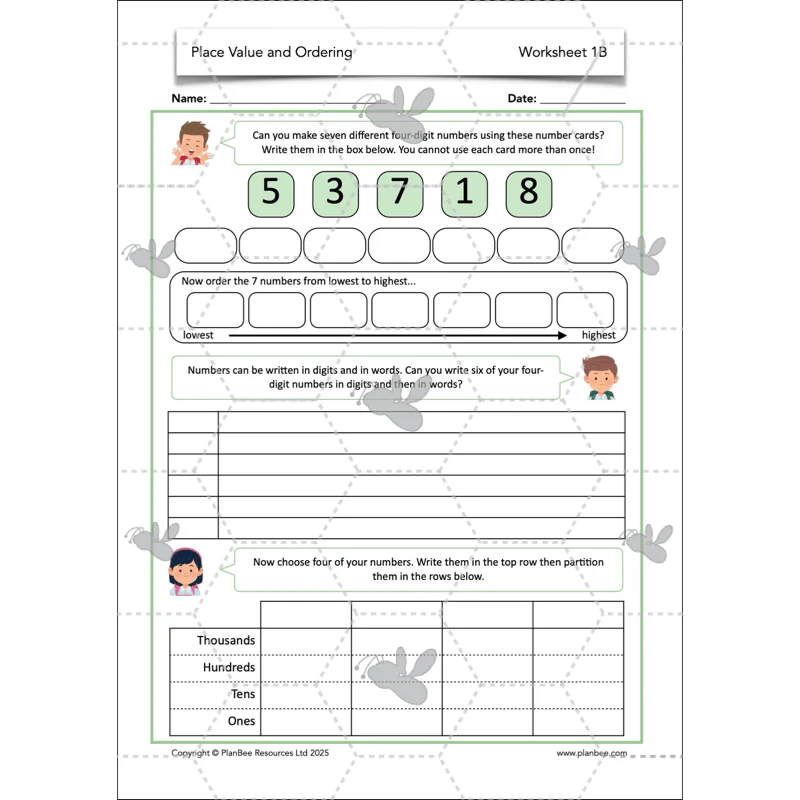
- Differentiated worksheets
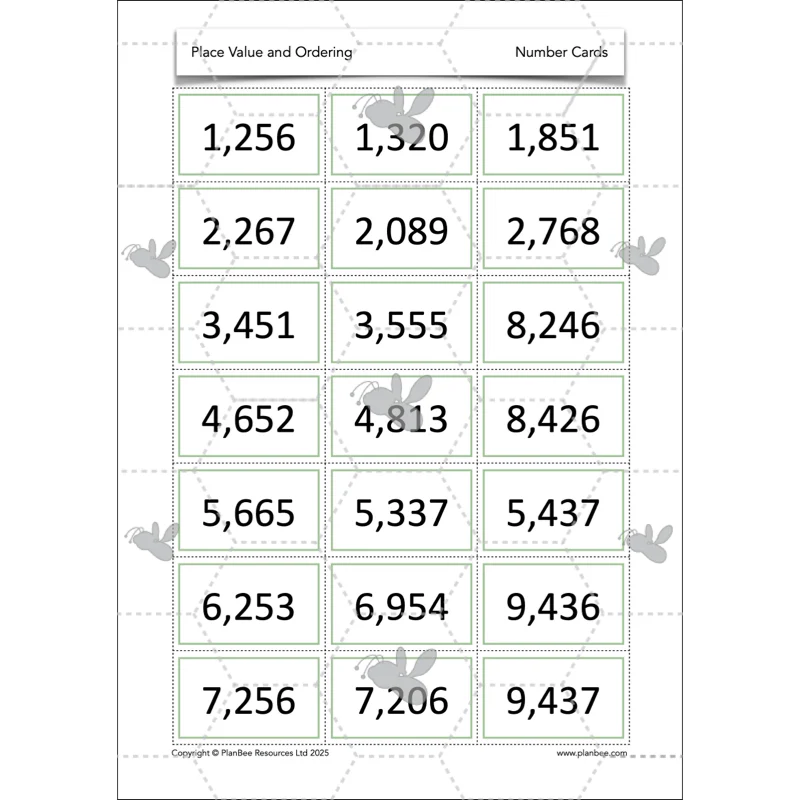
- Number cards
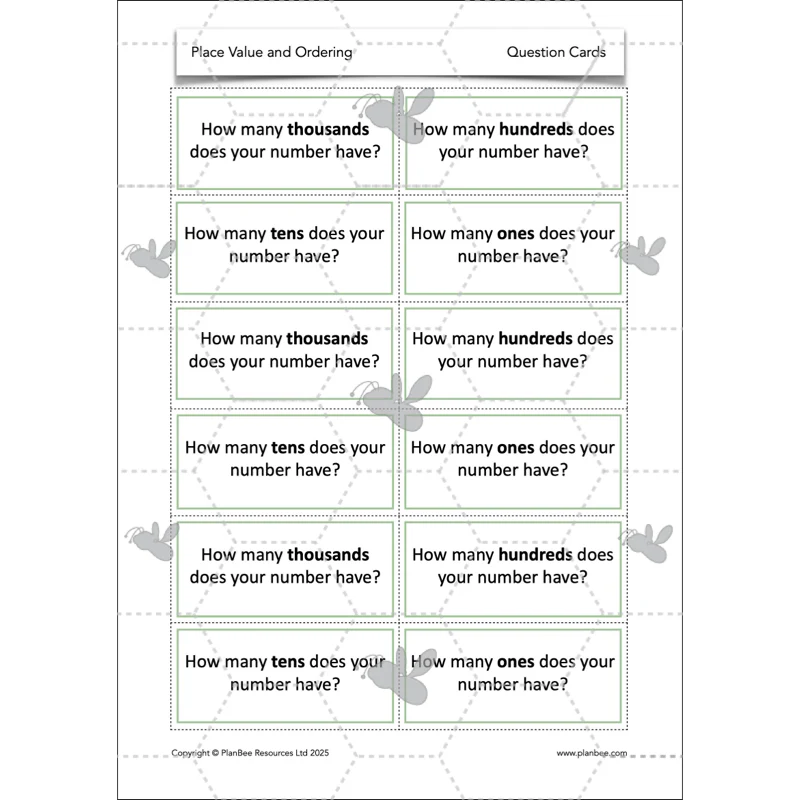
- Question cards
- Digit cards
Ordering and Comparing
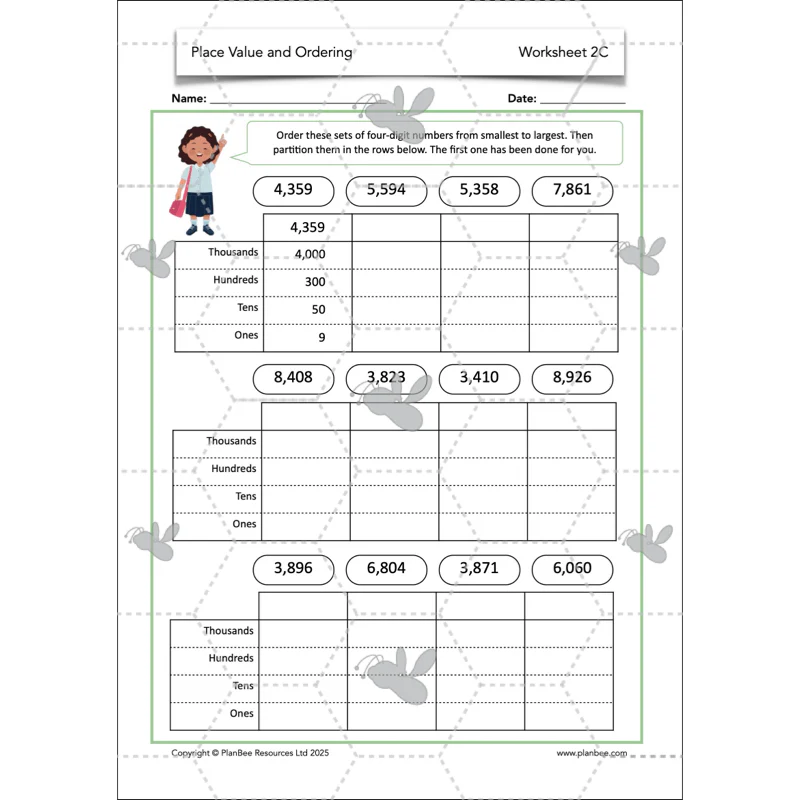
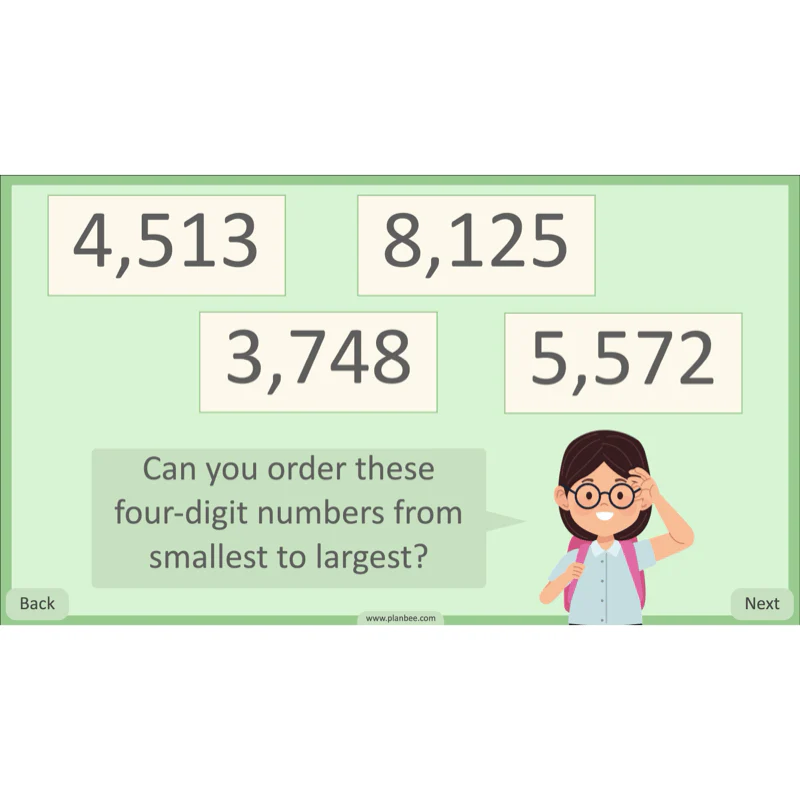
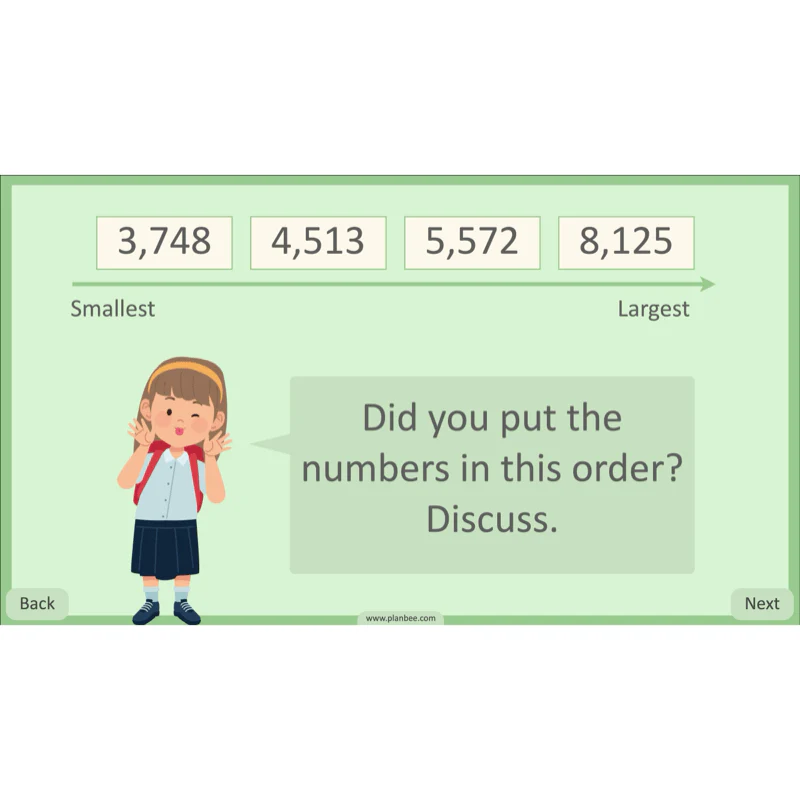
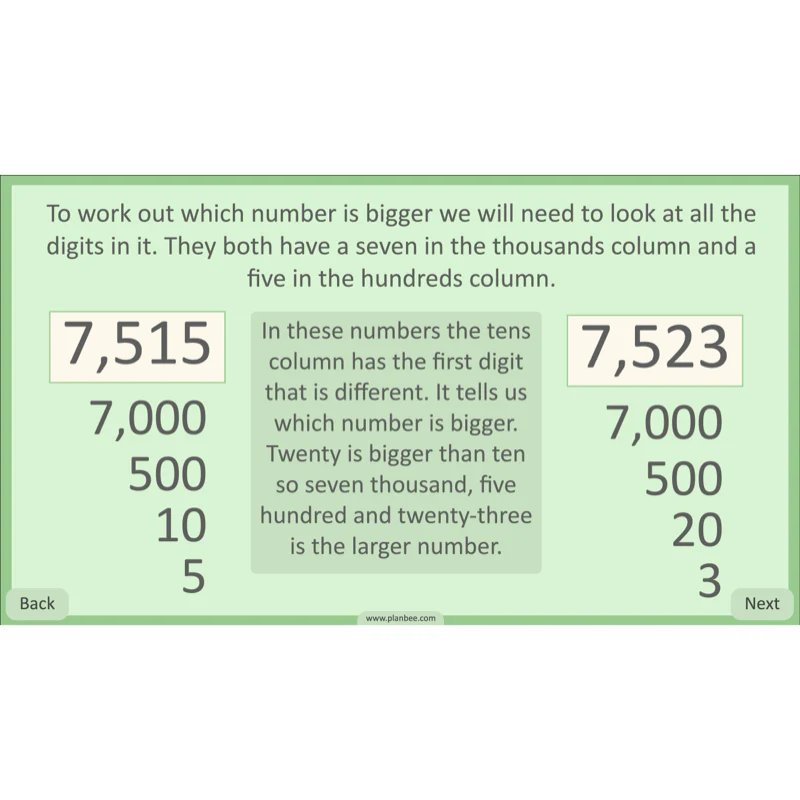
This lesson starts by recapping how to express four-digit numbers in numerals and words. It then goes on to challenge your class to order three- and four-digit numbers, using partitioning to help identify whether a number is larger or smaller than another. The children will have to compare sets of numbers carefully to order them!
What's included:
- Lesson plan
- Slides
- Activity ideas
- Differentiated worksheets
- Number cards
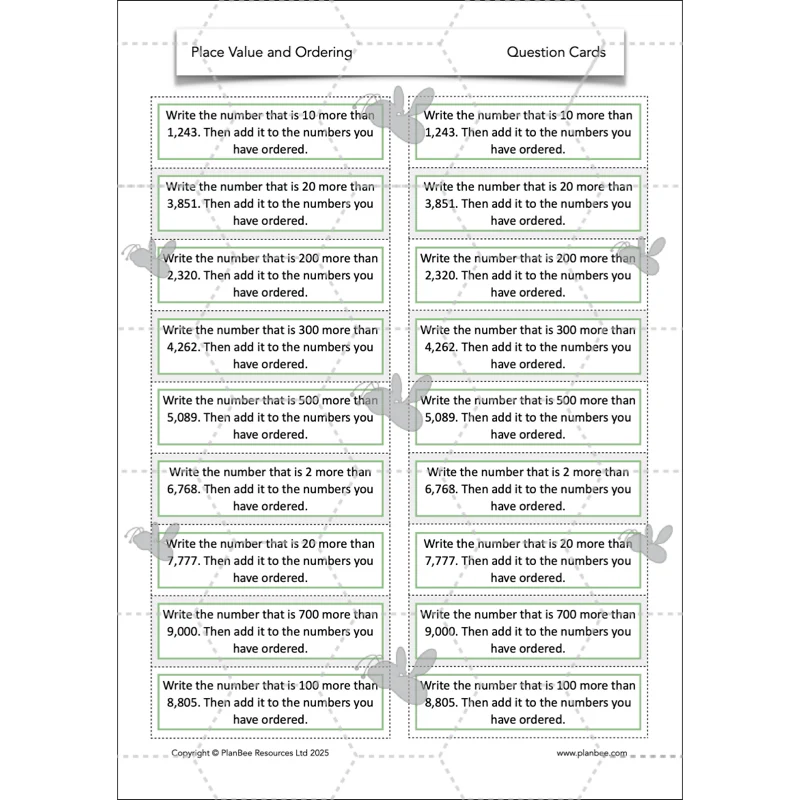
- Question cards
1000 More or Less
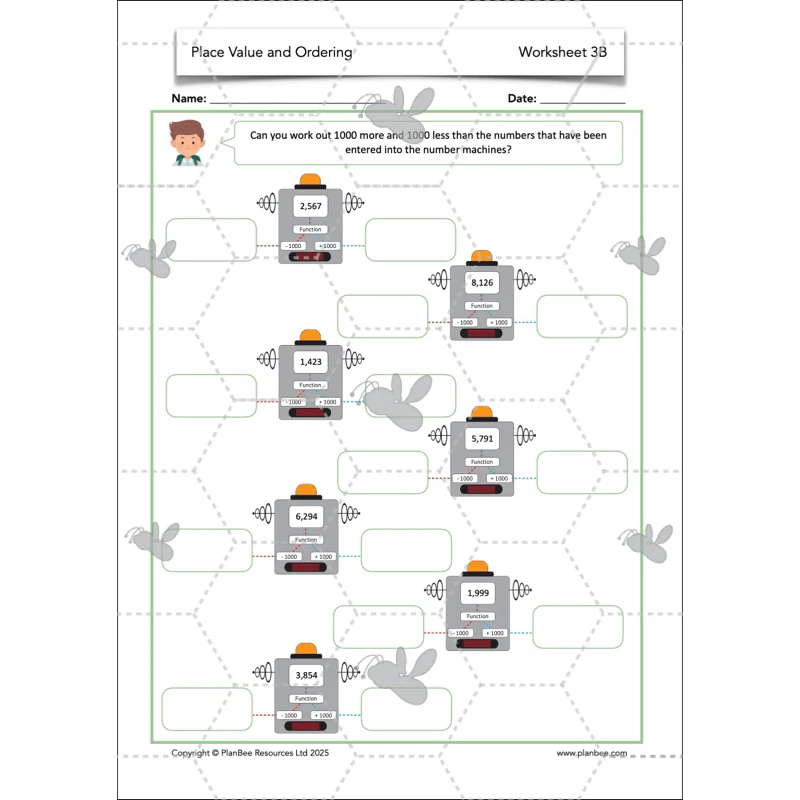
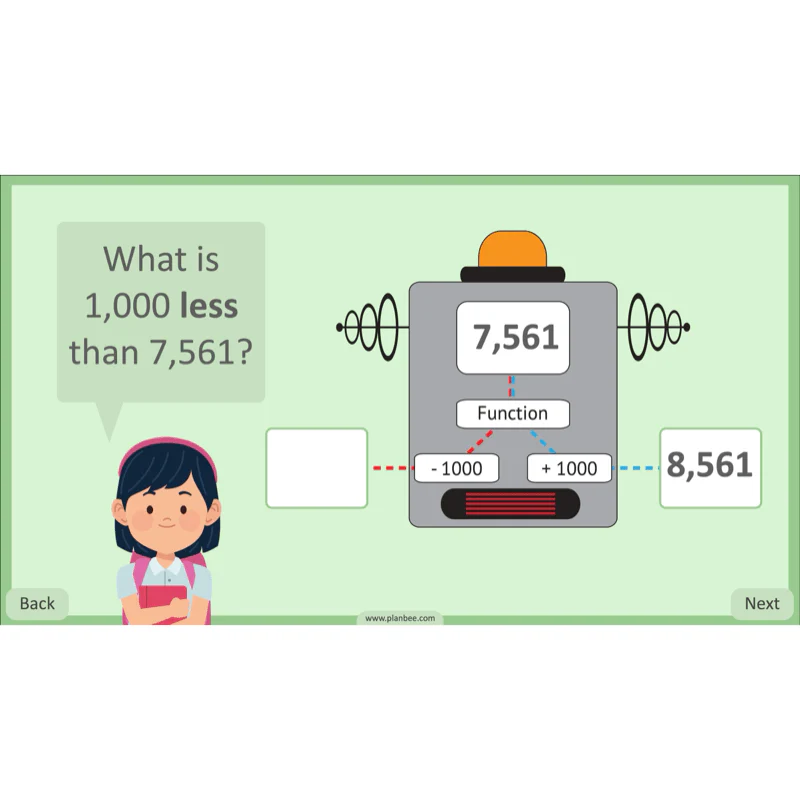
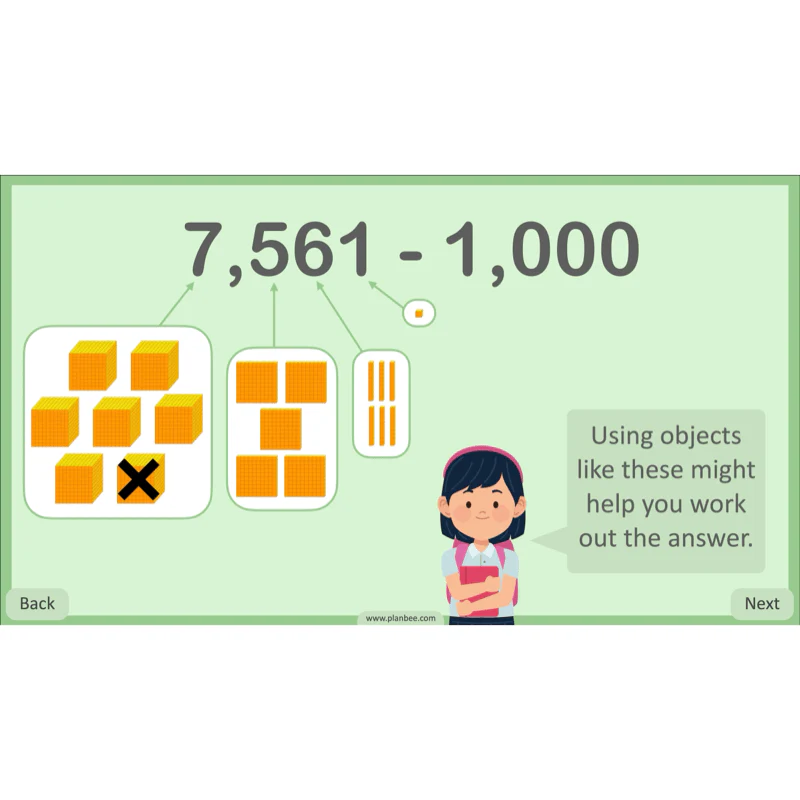
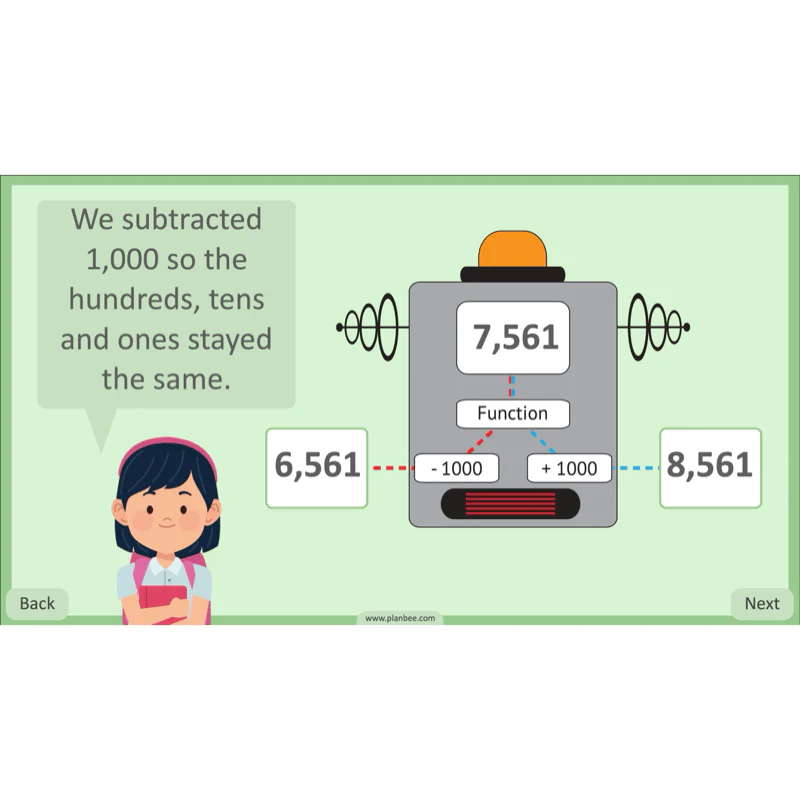
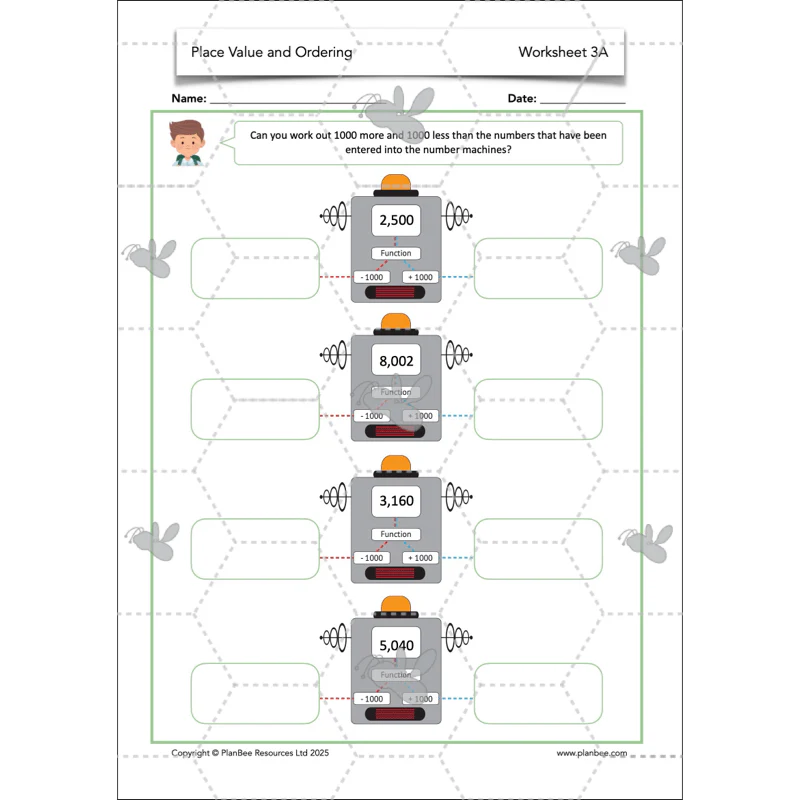
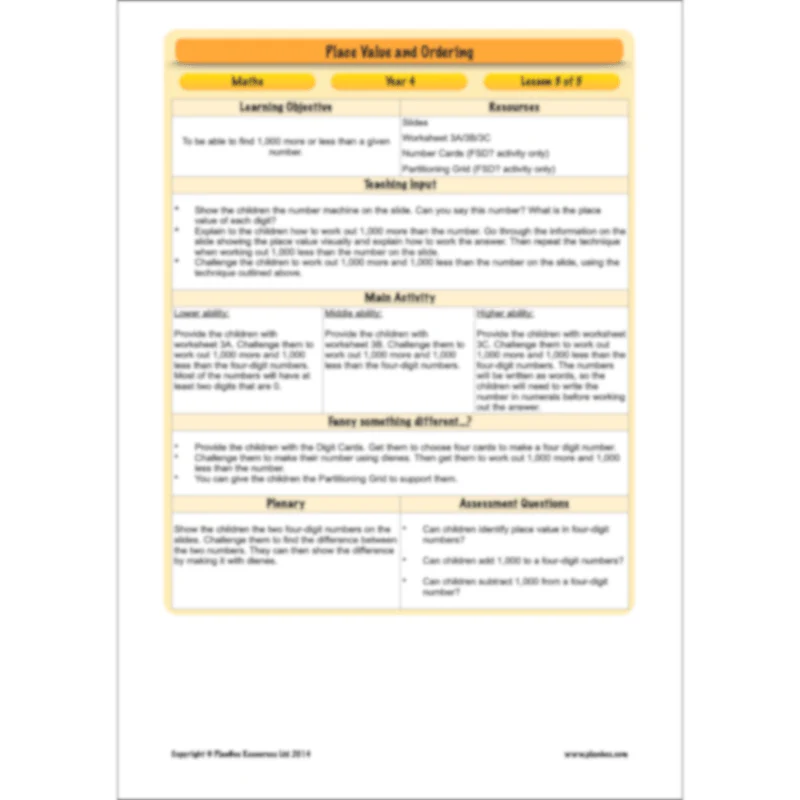
This lesson starts by showing children a number and asking them to say it and identify the place value of each digit. The children will then practically add and subtract 1000 from given numbers, some of which are expressed in numerals and some in words.
What's included:
- Lesson plan
- Slides
- Activity ideas
- Differentiated worksheets
- Number cards
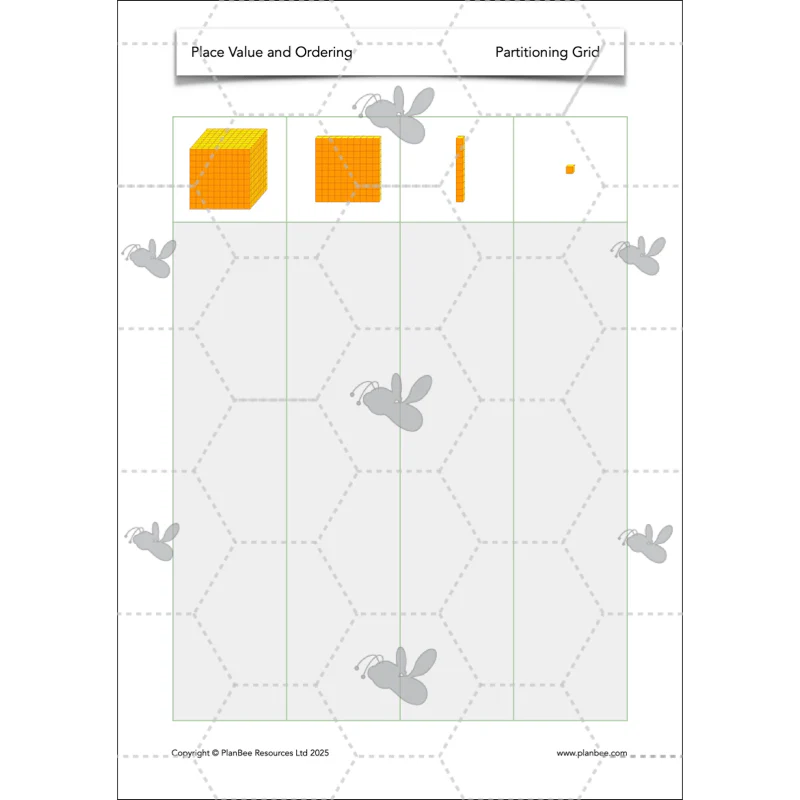
- Partitioning grid
Counting in Multiples
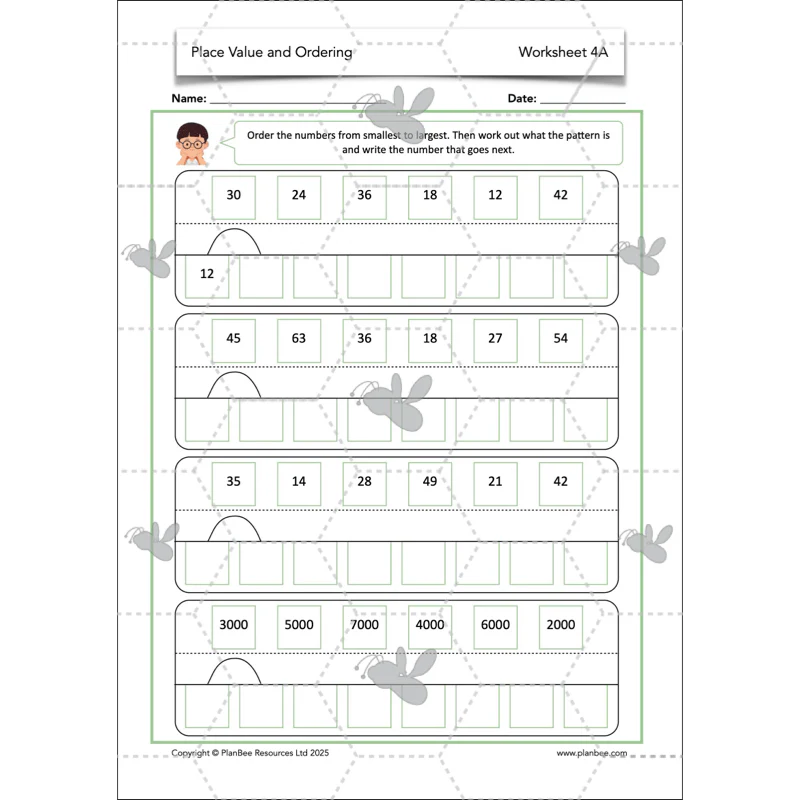
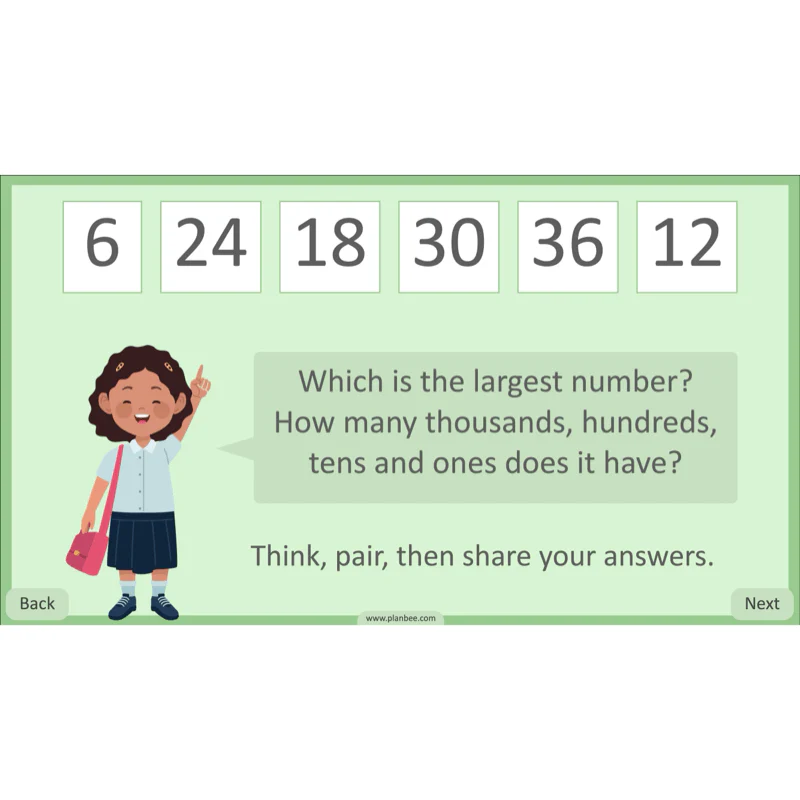
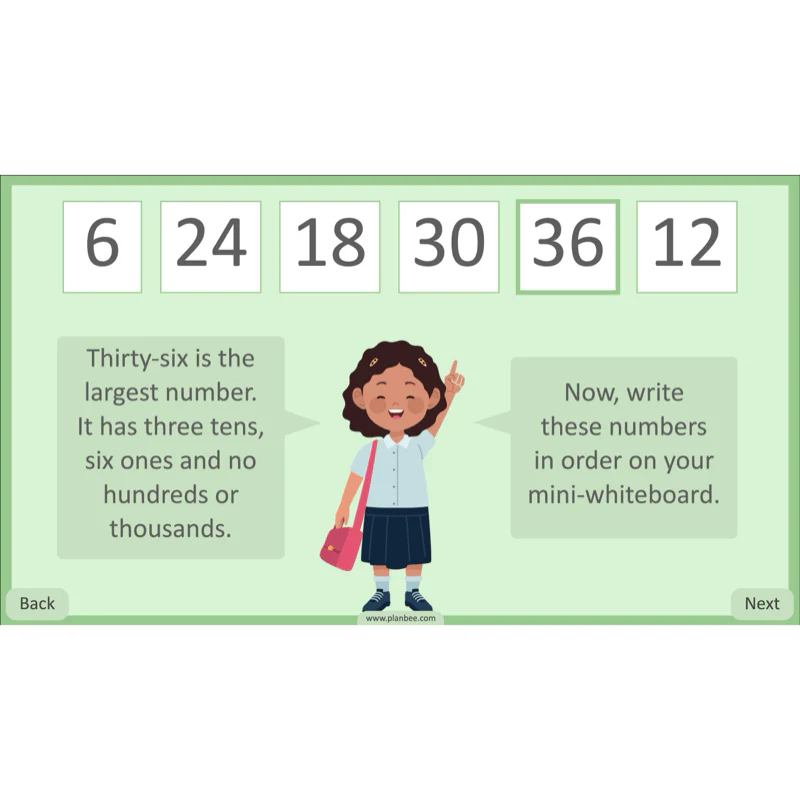
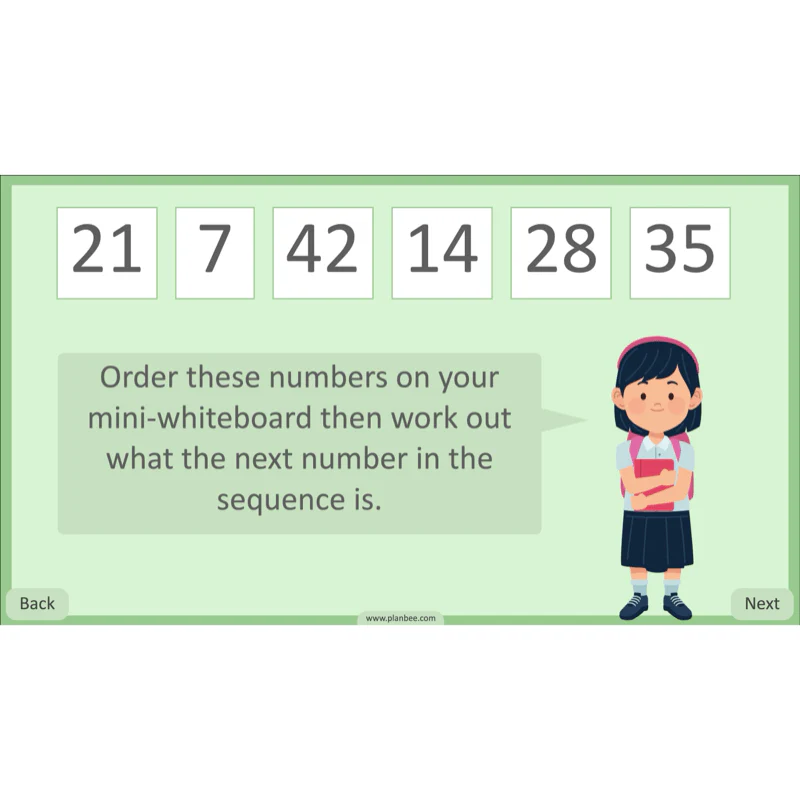
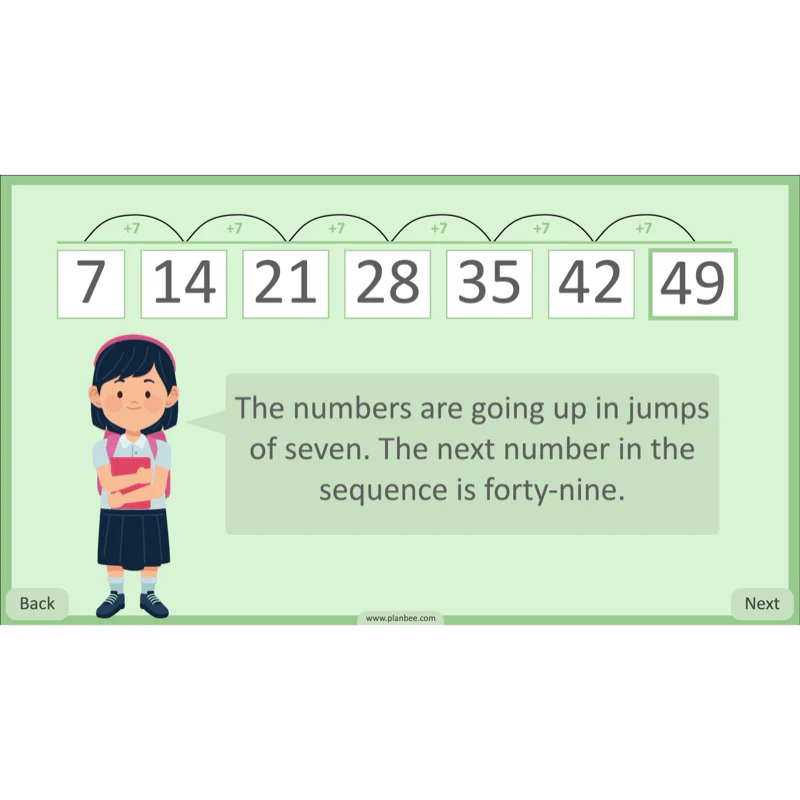
In this lesson, your class will order numbers and work out how much they are increasing by in number chains. The number sequences will increase in multiples of 6, 7, 9, 25 and 100. To challenge the children some of the sequences will start at a random number!
What's included:
- Lesson plan
- Slides
- Activity ideas
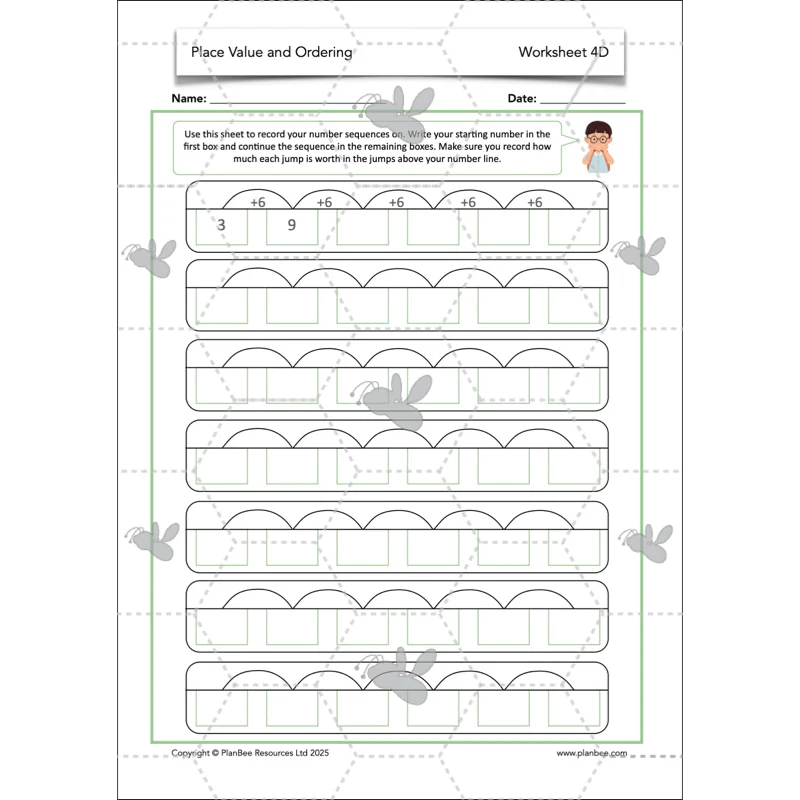
- Differentiated worksheets
- Number cards
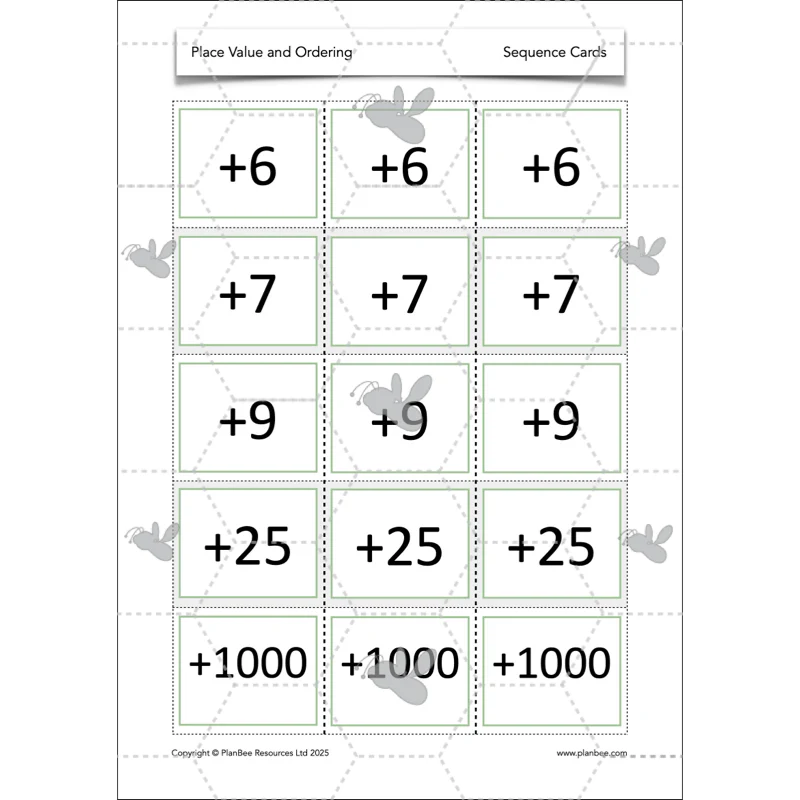
- Sequence cards
- Multiples cards
Roman Numerals
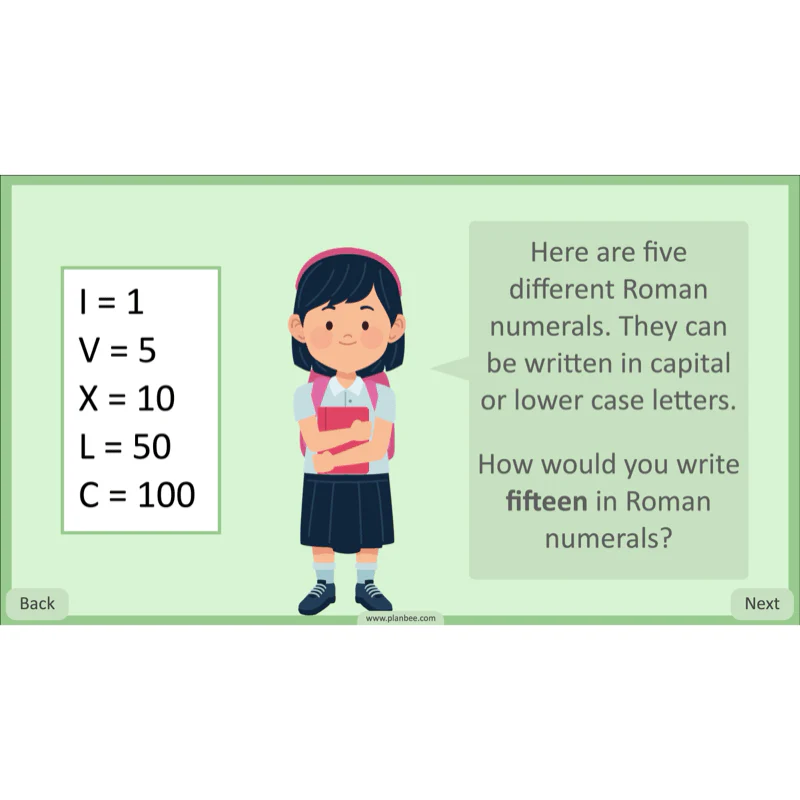
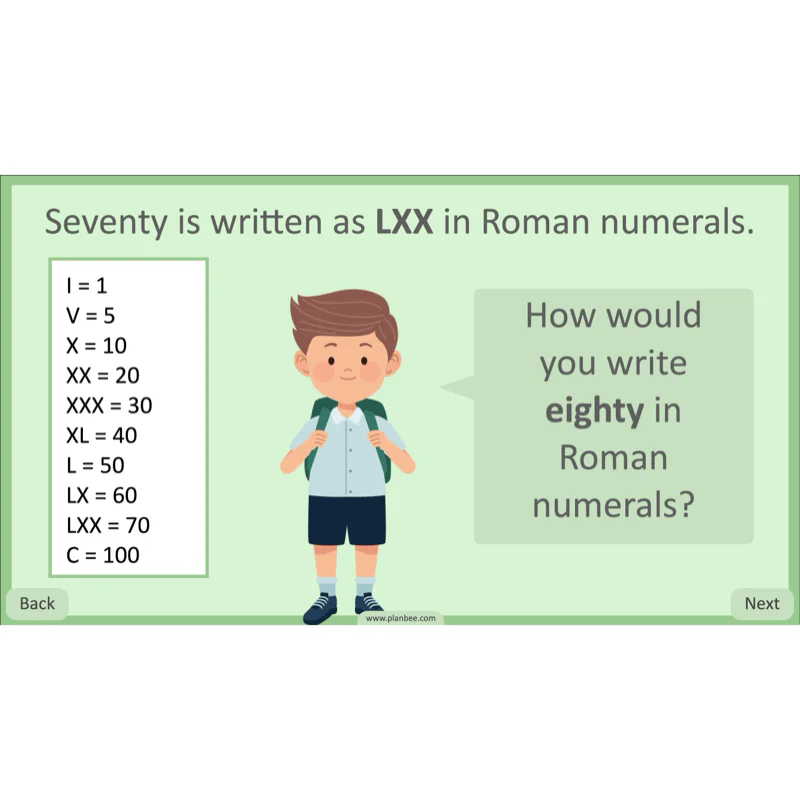
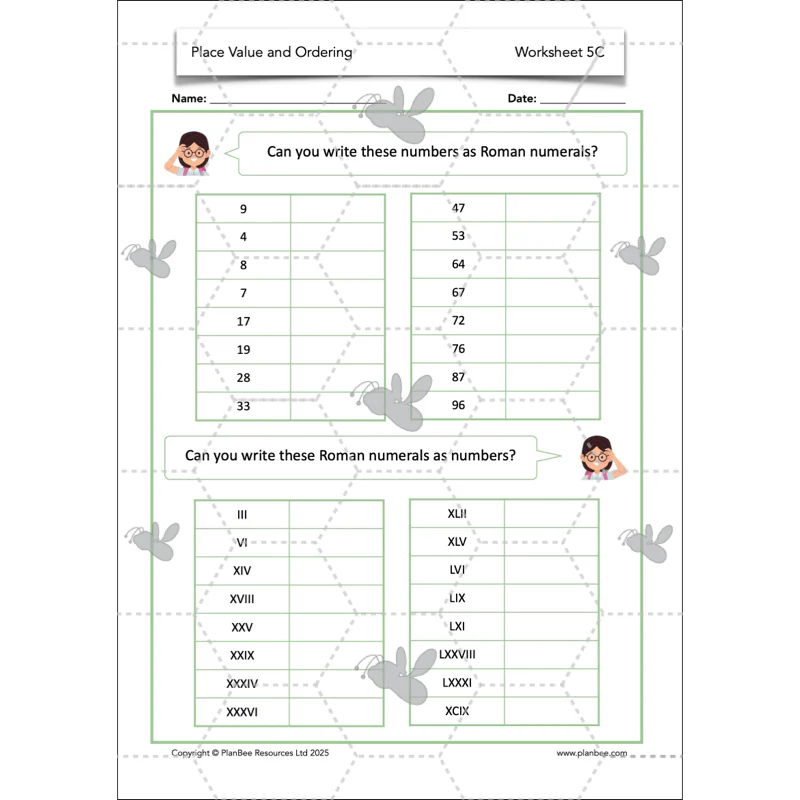
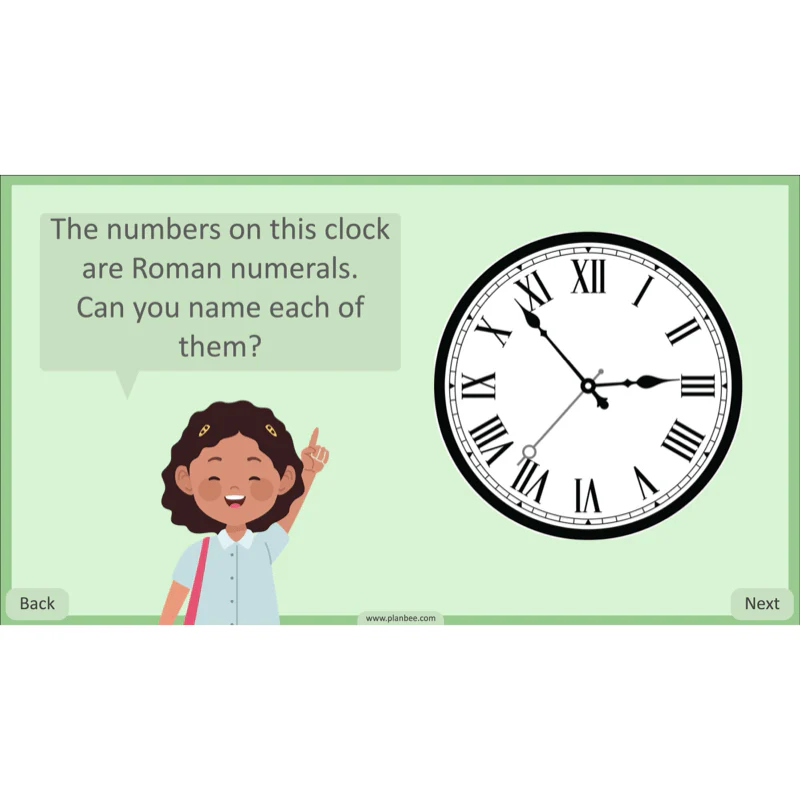
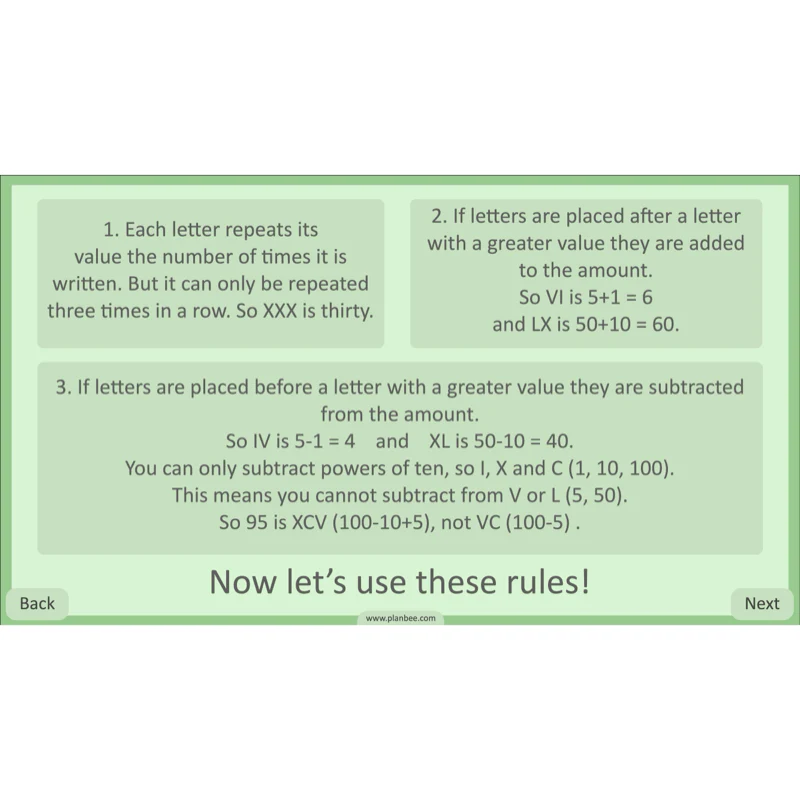
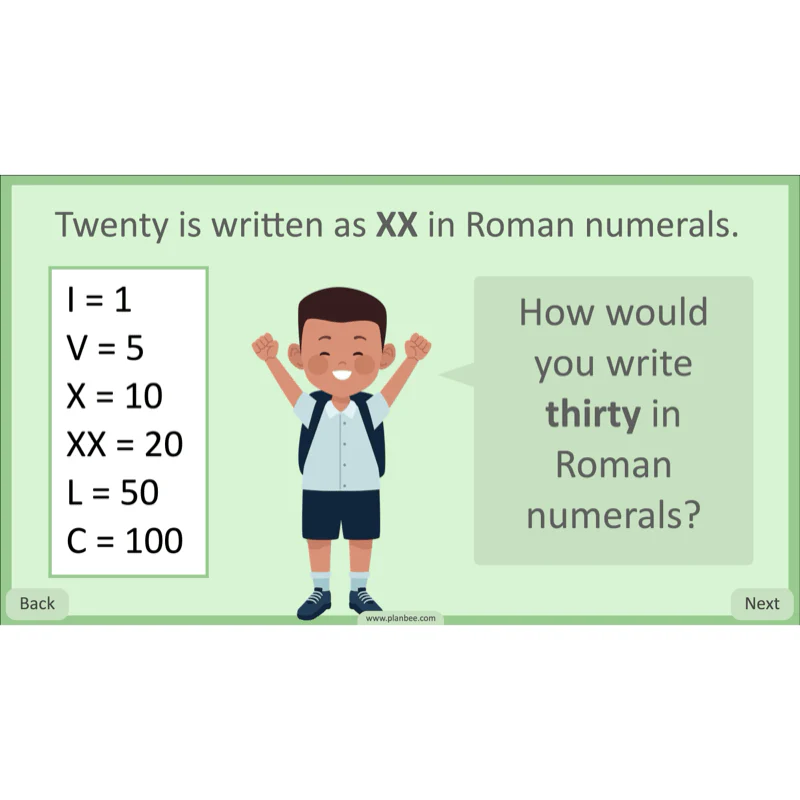
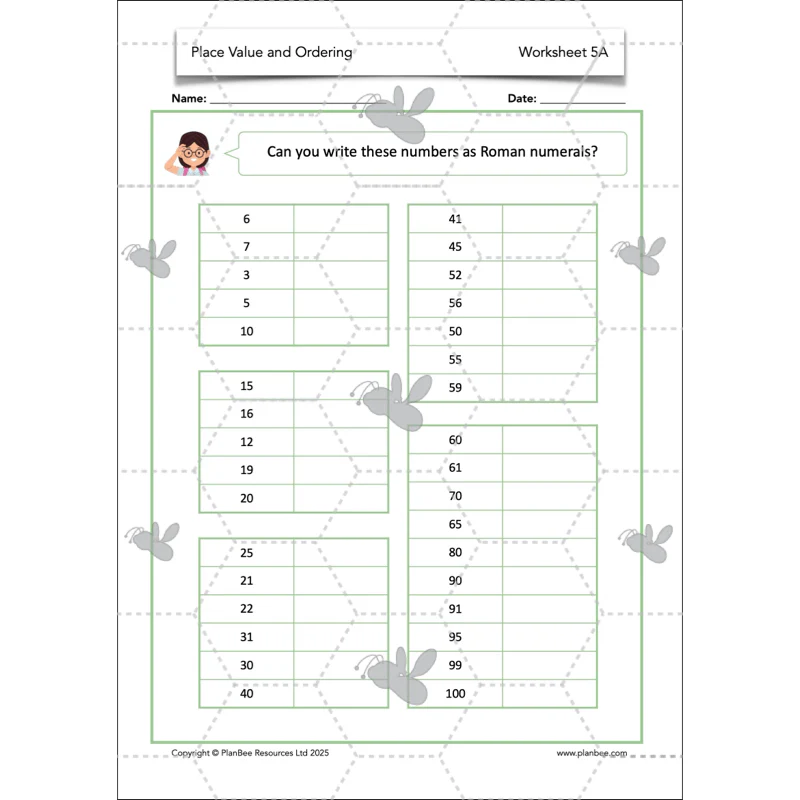
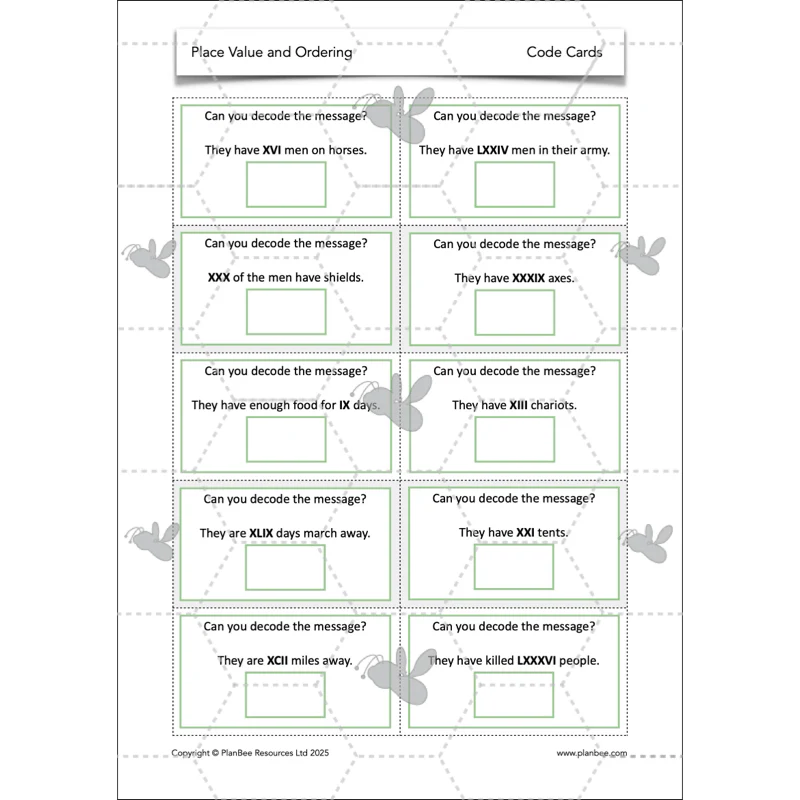
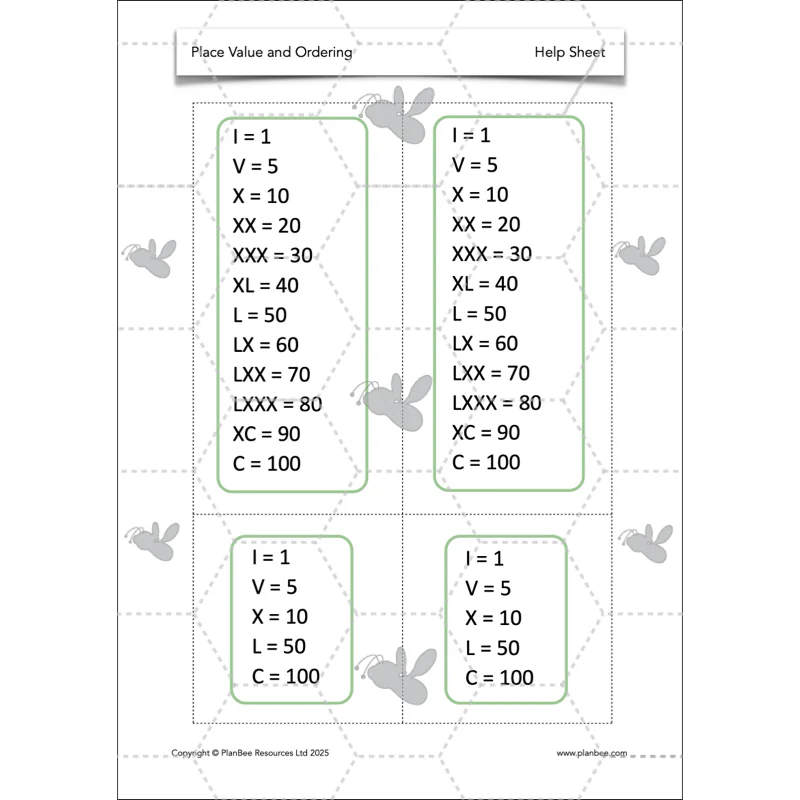
This final lesson builds on your class's knowledge of Roman numerals from Year 3. The numerals on a clock are recapped and then the children will be taught how to read and write Roman numerals to 100. The alternative activity in this lesson challenges your class to decipher some codes to help the Roman emperor find out where a group of rebels are hiding! The lesson ends by exploring the concept of zero and discussing how the Roman numeral system is different to the modern number system.
What's included:
- Lesson plan
- Slides
- Activity ideas
- Differentiated worksheets
- Help sheet
- Code cards
Original: $3.49
-70%$3.49
$1.05More Images










Place Value and Ordering
This Year 4 'Place Value and Ordering' series of lessons is jam-packed full of fun ways to teach your class about four-digit numbers and their place value. They will recap their knowledge of three-digit numbers, learn to order large numbers, count in multiples of 6, 7, 9, 25, 100, solve problems involving numbers and learn to read Roman numerals to 100.
With detailed lesson plans, engaging slides, differentiated worksheets and many other helpful resources, these 'Place Value' lessons contain everything you need teach your class what they need to know about identifying, ordering and using large numbers.
Four-digit numbers
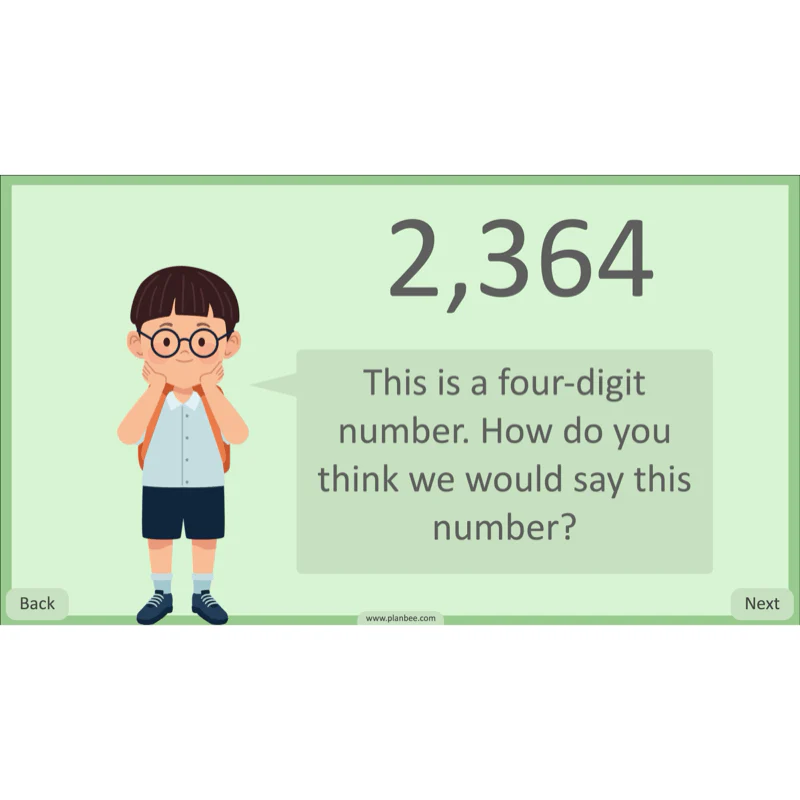
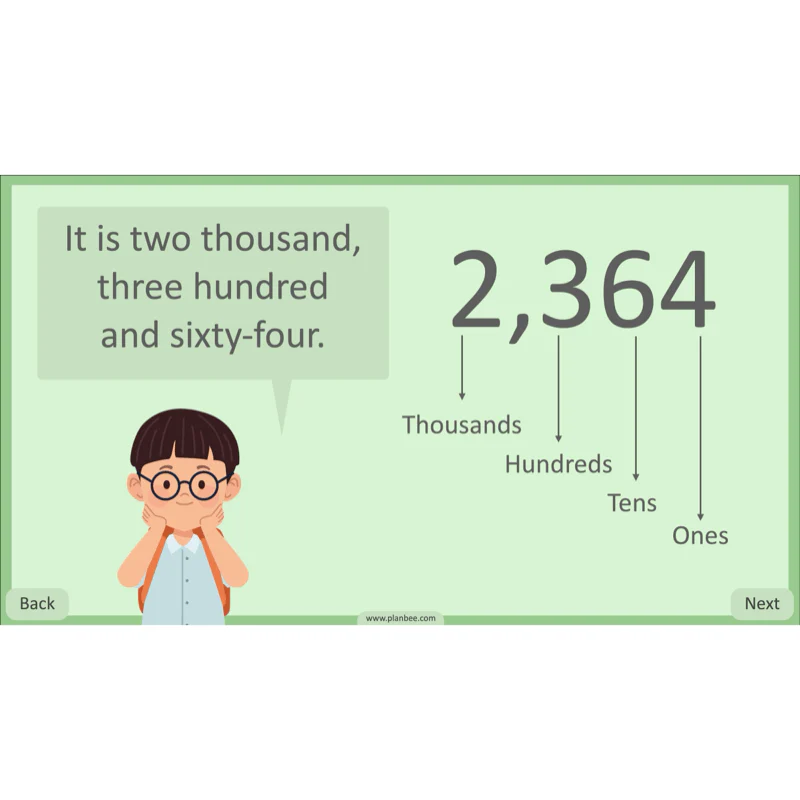
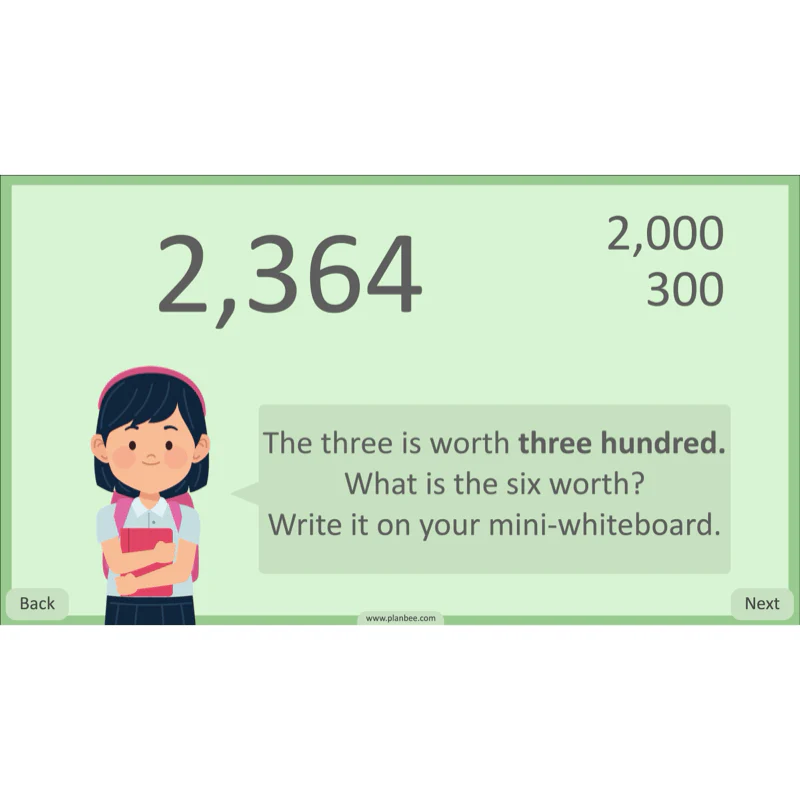
This series of lessons begins with a recap of what a three-digit number is and what the place value of each digit is. The children will then be introduced to the four-digit numbers. They will identify the value of each digit within a four-digit number and have plenty of opportunities to practise writing numbers in numerals and in words.
What's included:
- Lesson plan
- Slides
- Activity ideas
- Differentiated worksheets
- Number cards
- Question cards
- Digit cards
Ordering and Comparing
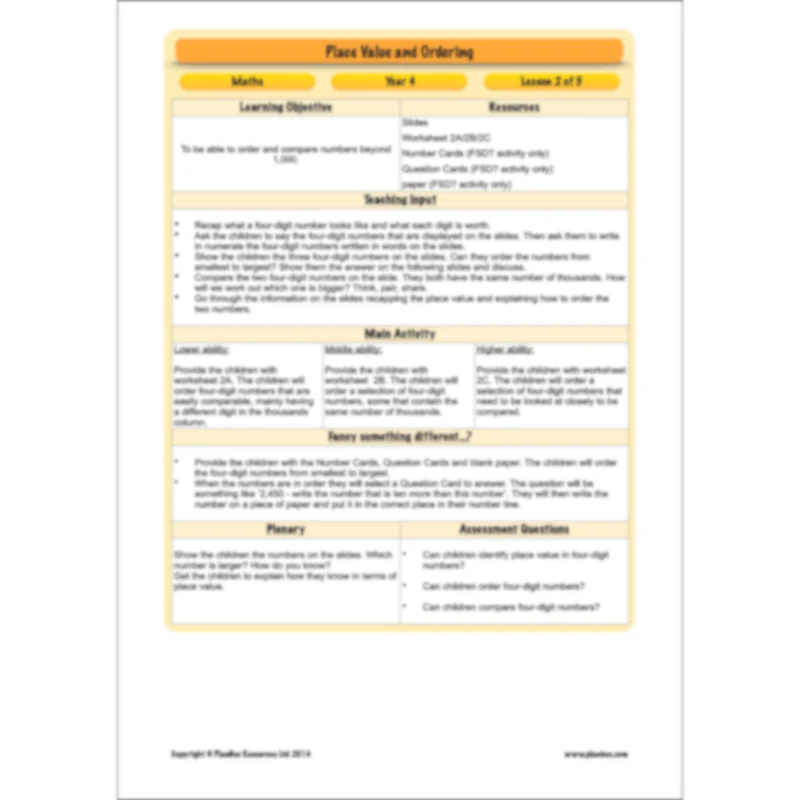
This lesson starts by recapping how to express four-digit numbers in numerals and words. It then goes on to challenge your class to order three- and four-digit numbers, using partitioning to help identify whether a number is larger or smaller than another. The children will have to compare sets of numbers carefully to order them!
What's included:
- Lesson plan
- Slides
- Activity ideas
- Differentiated worksheets
- Number cards
- Question cards
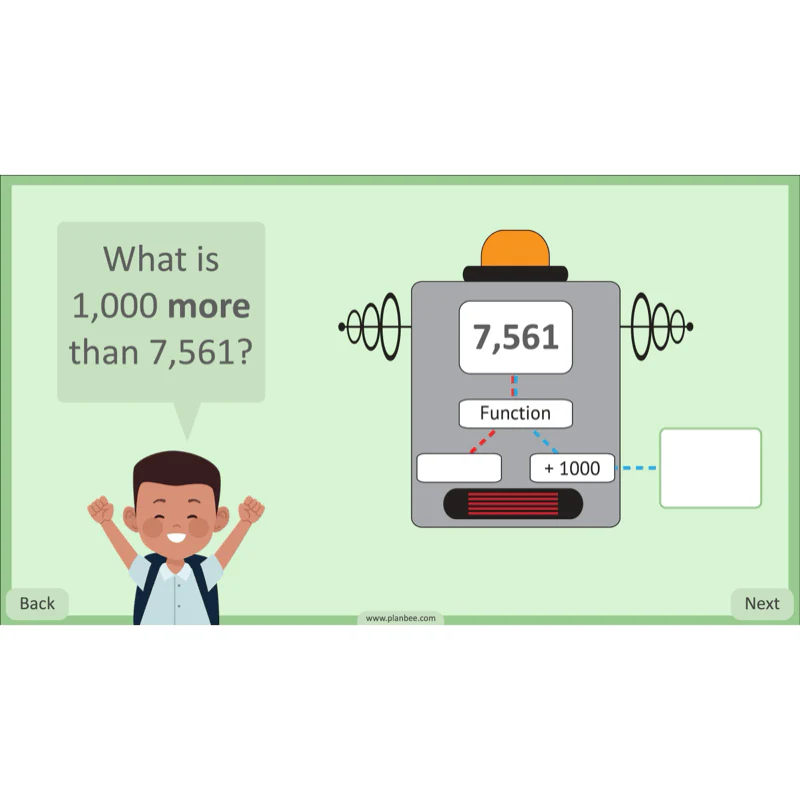
1000 More or Less
This lesson starts by showing children a number and asking them to say it and identify the place value of each digit. The children will then practically add and subtract 1000 from given numbers, some of which are expressed in numerals and some in words.
What's included:
- Lesson plan
- Slides
- Activity ideas
- Differentiated worksheets
- Number cards
- Partitioning grid
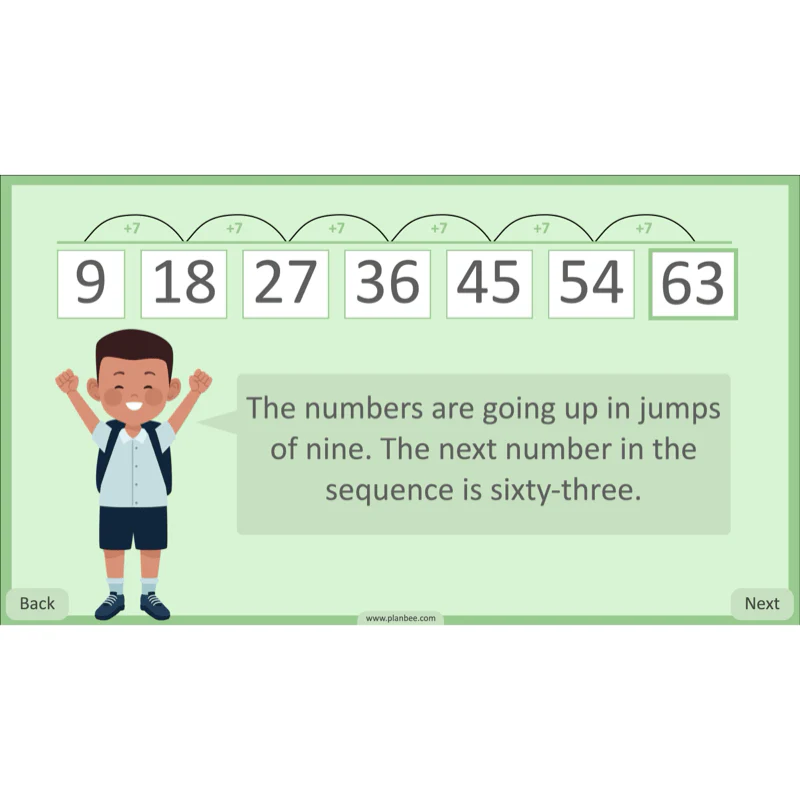
Counting in Multiples
In this lesson, your class will order numbers and work out how much they are increasing by in number chains. The number sequences will increase in multiples of 6, 7, 9, 25 and 100. To challenge the children some of the sequences will start at a random number!
What's included:
- Lesson plan
- Slides
- Activity ideas
- Differentiated worksheets
- Number cards
- Sequence cards
- Multiples cards
Roman Numerals
This final lesson builds on your class's knowledge of Roman numerals from Year 3. The numerals on a clock are recapped and then the children will be taught how to read and write Roman numerals to 100. The alternative activity in this lesson challenges your class to decipher some codes to help the Roman emperor find out where a group of rebels are hiding! The lesson ends by exploring the concept of zero and discussing how the Roman numeral system is different to the modern number system.
What's included:
- Lesson plan
- Slides
- Activity ideas
- Differentiated worksheets
- Help sheet
- Code cards
Product Information
Product Information
Shipping & Returns
Shipping & Returns
Description
This Year 4 'Place Value and Ordering' series of lessons is jam-packed full of fun ways to teach your class about four-digit numbers and their place value. They will recap their knowledge of three-digit numbers, learn to order large numbers, count in multiples of 6, 7, 9, 25, 100, solve problems involving numbers and learn to read Roman numerals to 100.
With detailed lesson plans, engaging slides, differentiated worksheets and many other helpful resources, these 'Place Value' lessons contain everything you need teach your class what they need to know about identifying, ordering and using large numbers.
Four-digit numbers
This series of lessons begins with a recap of what a three-digit number is and what the place value of each digit is. The children will then be introduced to the four-digit numbers. They will identify the value of each digit within a four-digit number and have plenty of opportunities to practise writing numbers in numerals and in words.
What's included:
- Lesson plan
- Slides
- Activity ideas
- Differentiated worksheets
- Number cards
- Question cards
- Digit cards
Ordering and Comparing
This lesson starts by recapping how to express four-digit numbers in numerals and words. It then goes on to challenge your class to order three- and four-digit numbers, using partitioning to help identify whether a number is larger or smaller than another. The children will have to compare sets of numbers carefully to order them!
What's included:
- Lesson plan
- Slides
- Activity ideas
- Differentiated worksheets
- Number cards
- Question cards
1000 More or Less
This lesson starts by showing children a number and asking them to say it and identify the place value of each digit. The children will then practically add and subtract 1000 from given numbers, some of which are expressed in numerals and some in words.
What's included:
- Lesson plan
- Slides
- Activity ideas
- Differentiated worksheets
- Number cards
- Partitioning grid
Counting in Multiples
In this lesson, your class will order numbers and work out how much they are increasing by in number chains. The number sequences will increase in multiples of 6, 7, 9, 25 and 100. To challenge the children some of the sequences will start at a random number!
What's included:
- Lesson plan
- Slides
- Activity ideas
- Differentiated worksheets
- Number cards
- Sequence cards
- Multiples cards
Roman Numerals
This final lesson builds on your class's knowledge of Roman numerals from Year 3. The numerals on a clock are recapped and then the children will be taught how to read and write Roman numerals to 100. The alternative activity in this lesson challenges your class to decipher some codes to help the Roman emperor find out where a group of rebels are hiding! The lesson ends by exploring the concept of zero and discussing how the Roman numeral system is different to the modern number system.
What's included:
- Lesson plan
- Slides
- Activity ideas
- Differentiated worksheets
- Help sheet
- Code cards