Express Yourself
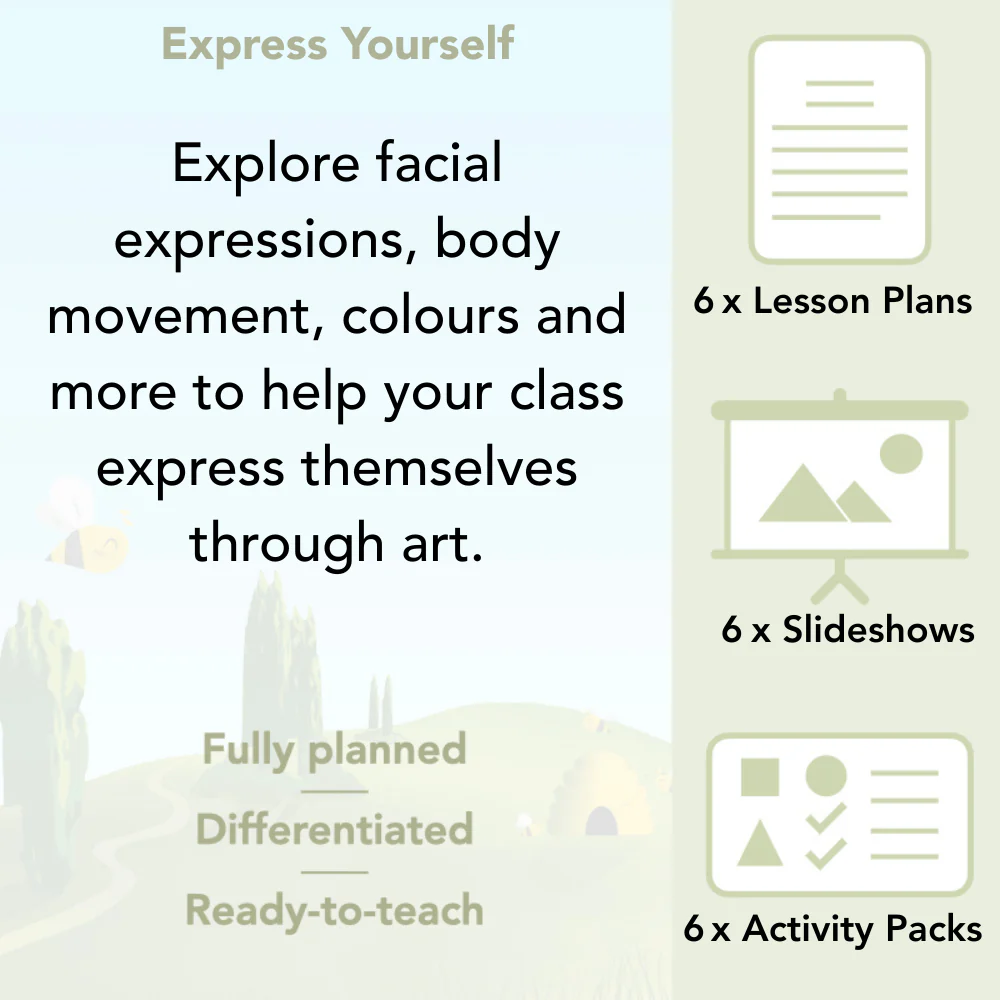
Explore the artistic world of self-expression in this five-lesson Year 5/6 scheme of work. Discover how artists like Kandinsky, Picasso and Munch use different techniques to convey emotions and ideas in their work, all through a series of detailed, engaging lessons (with plans, slideshows, differentiated activities and a range of printable resources) to help your class develop their own artistic skills.
This scheme of work is also part of some different Topic Bundles - Me, Myself and I, Feelings and Emotions and Health. Perfect if you are looking for a cross-curricular approach.
Lesson 1: Clothing
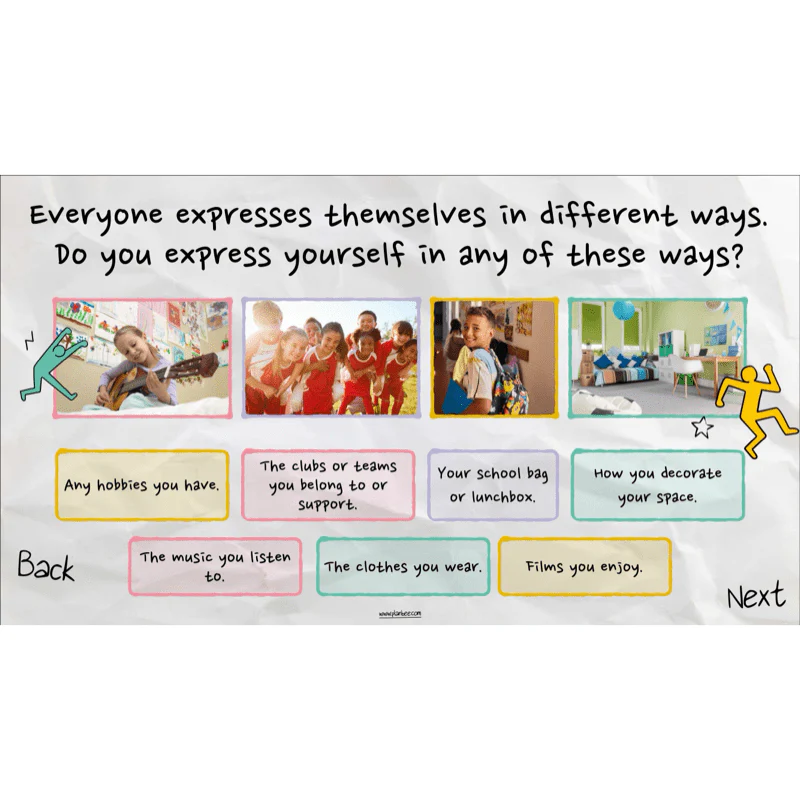
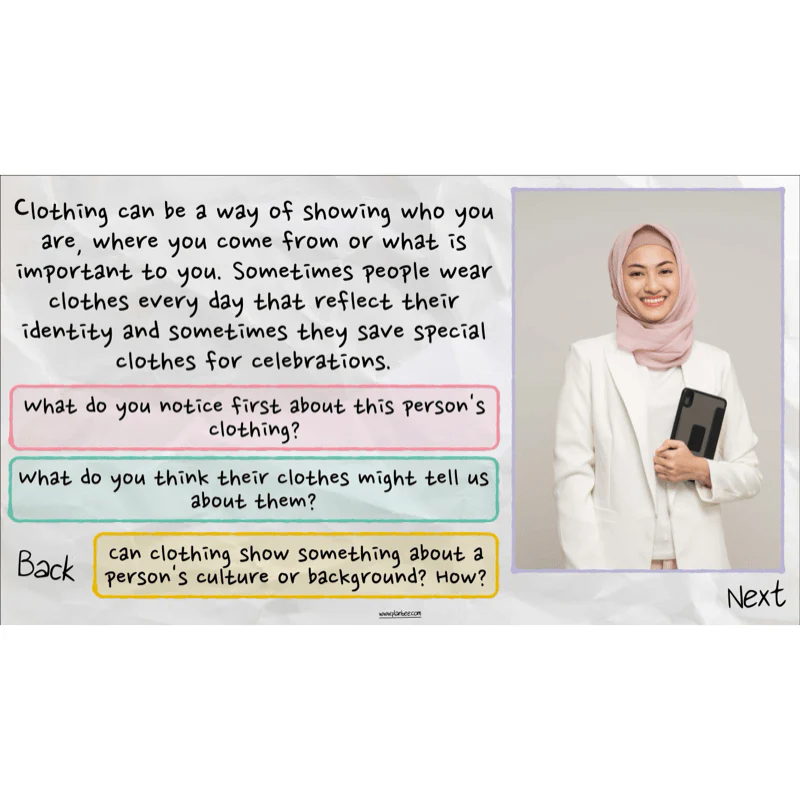
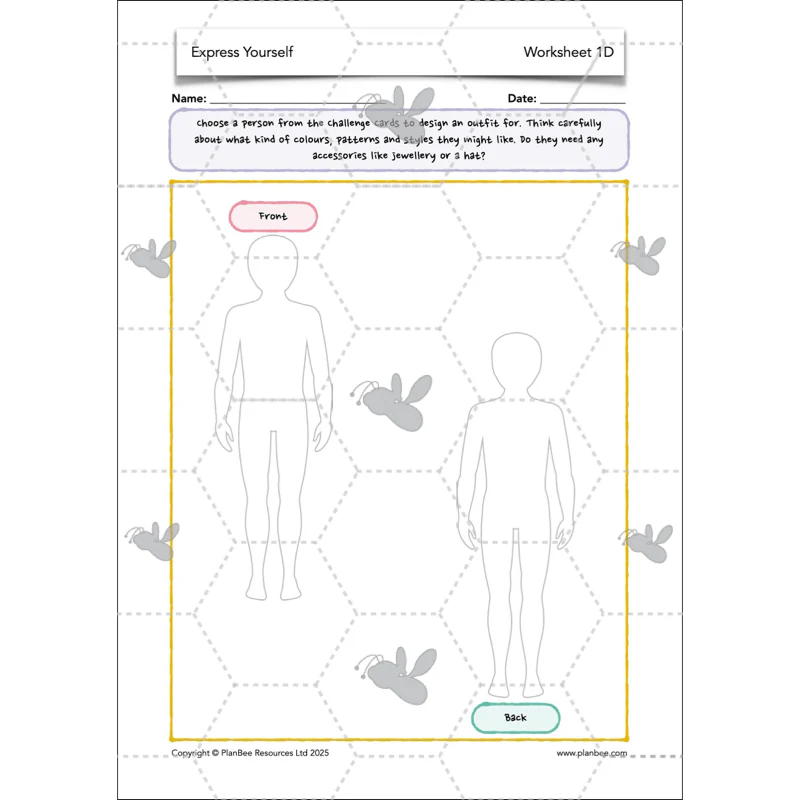
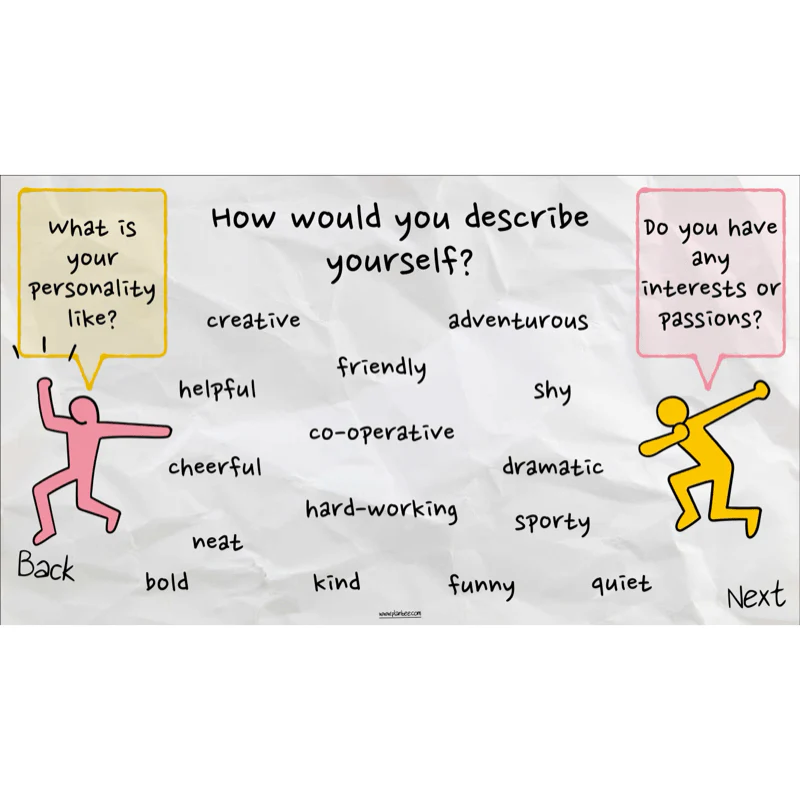
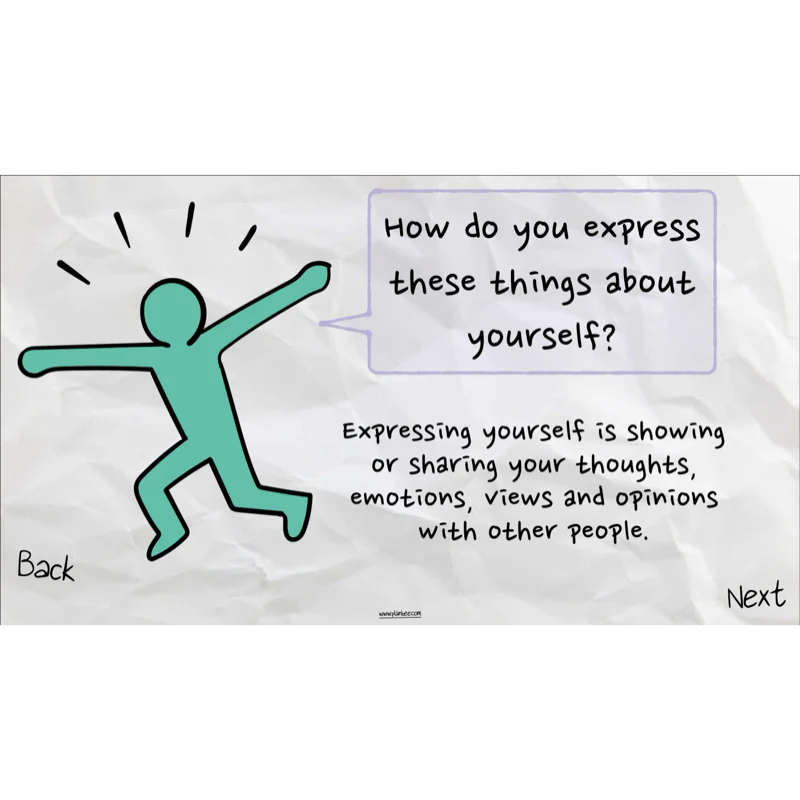
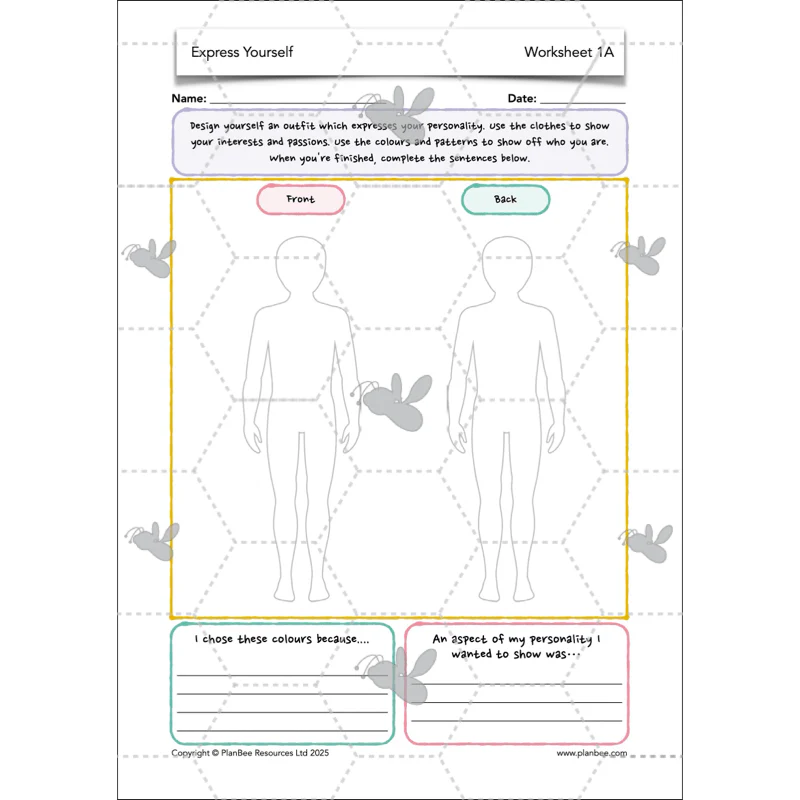
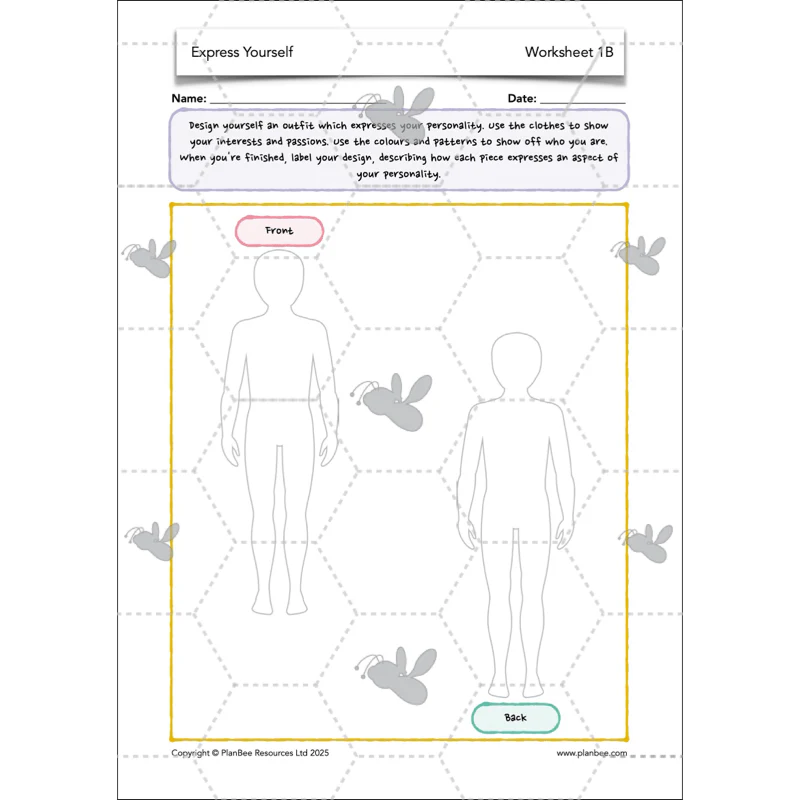
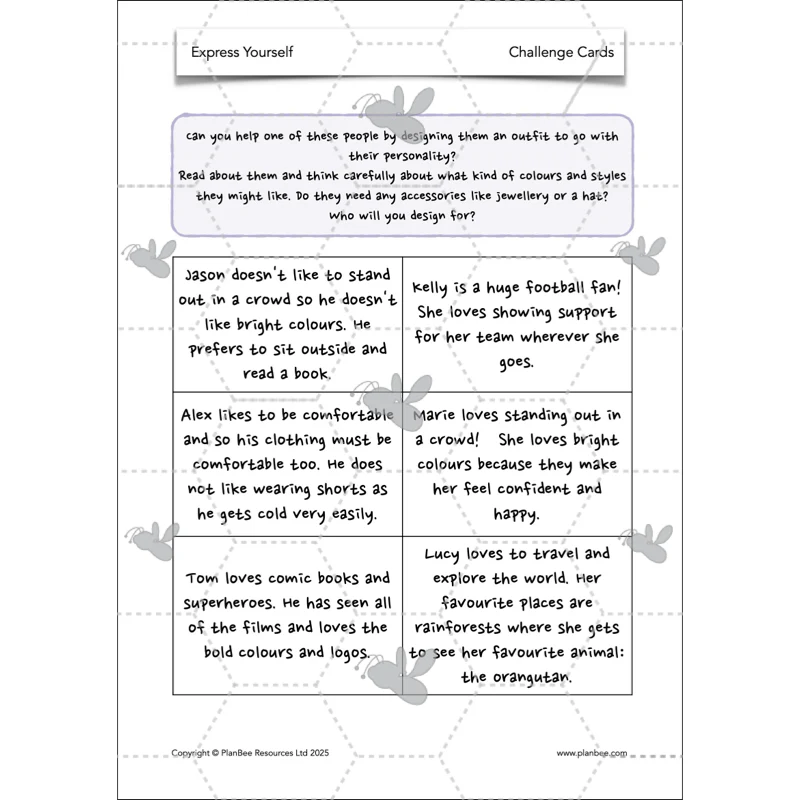
How many different ways can you express yourself? Use this lesson to explore how people express themselves in many different ways. Focus on how clothes can express parts of a person’s personality and interests. Challenge the children to become designers and design outfits to show off their interests and personality.
What's included:
- Lesson plan
- Slides
- Activity ideas
- Differentiated worksheets
- Challenge cards
Lesson 2: Facial Expressions
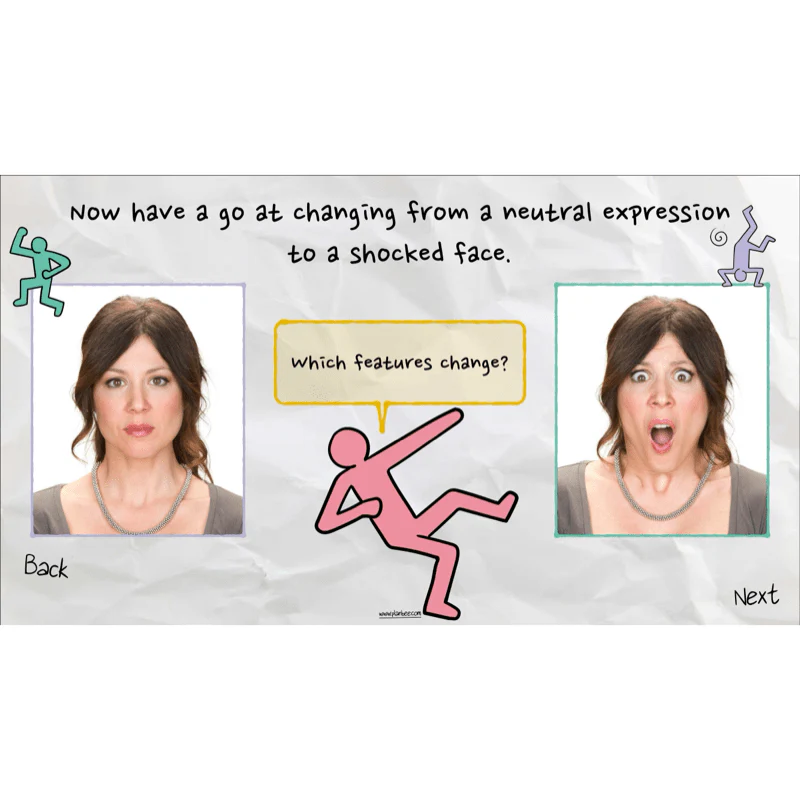
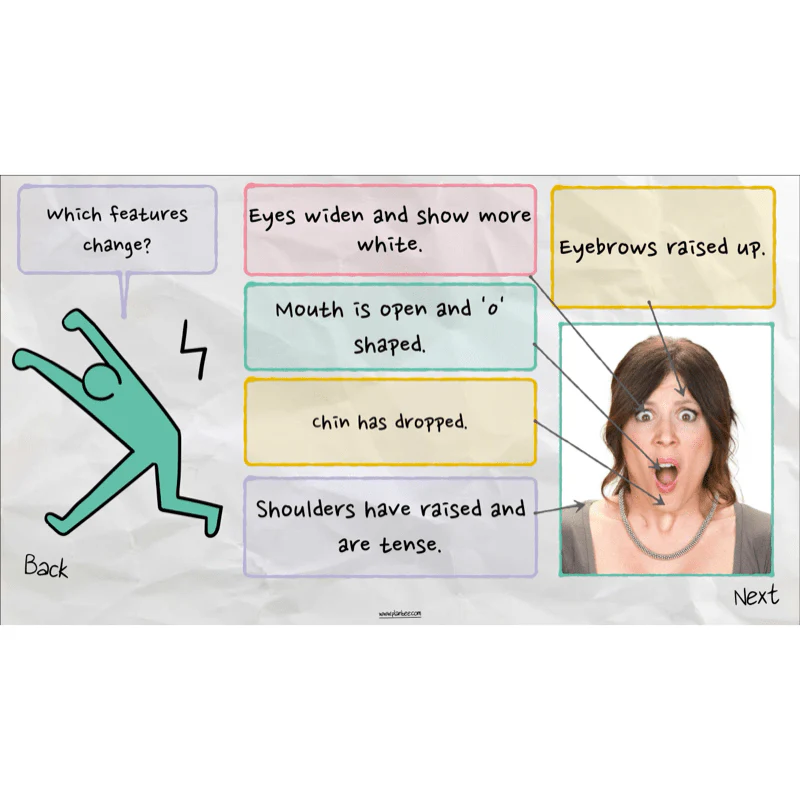
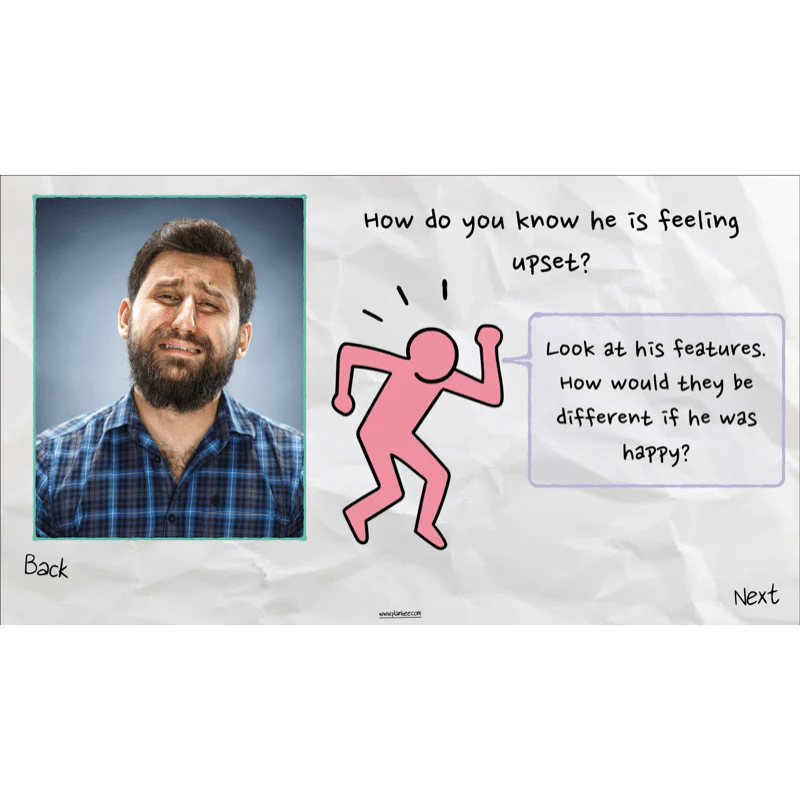
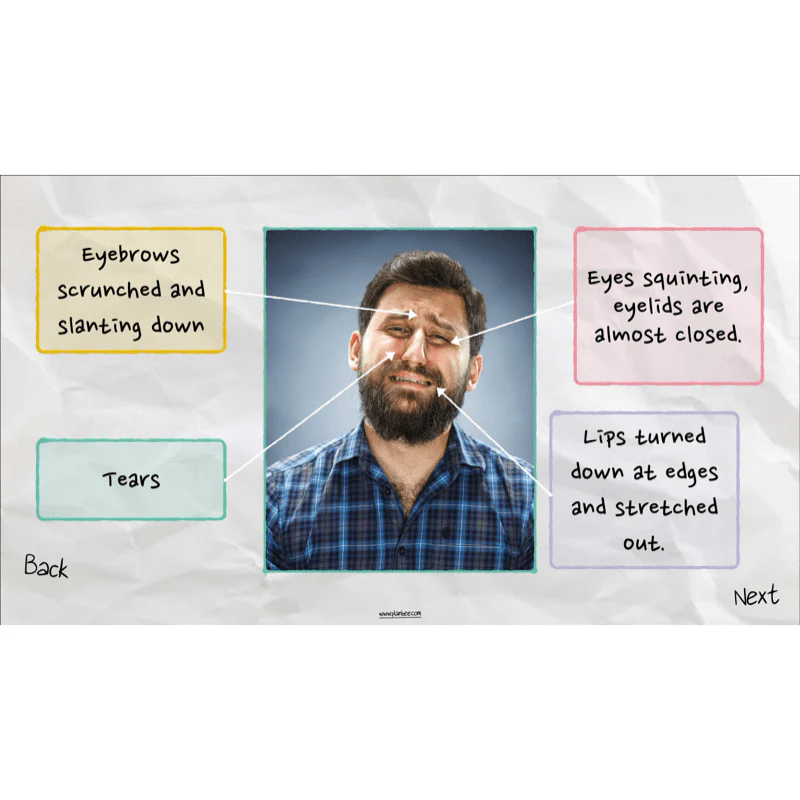
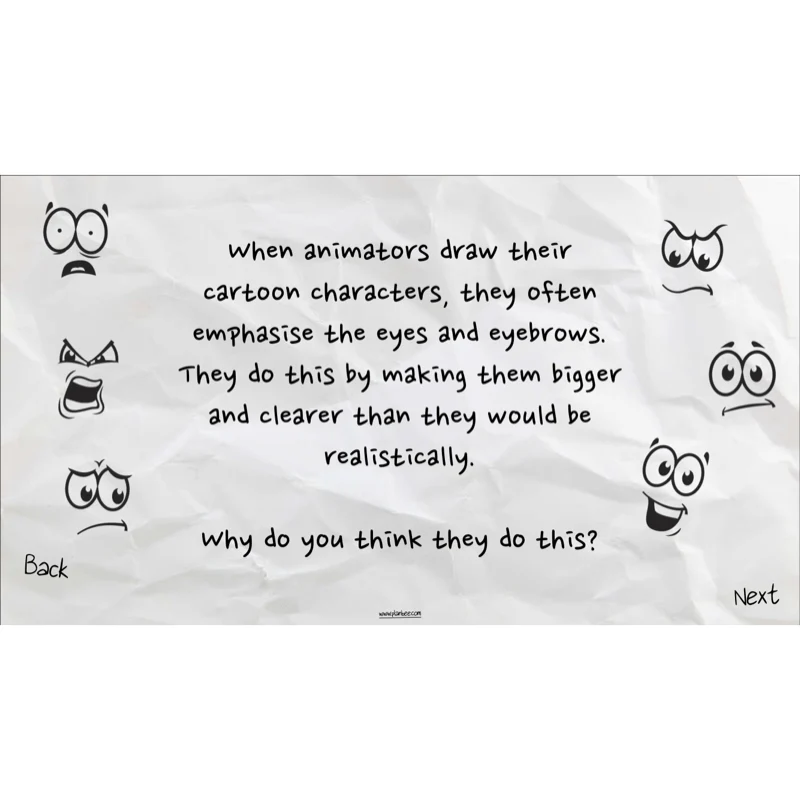
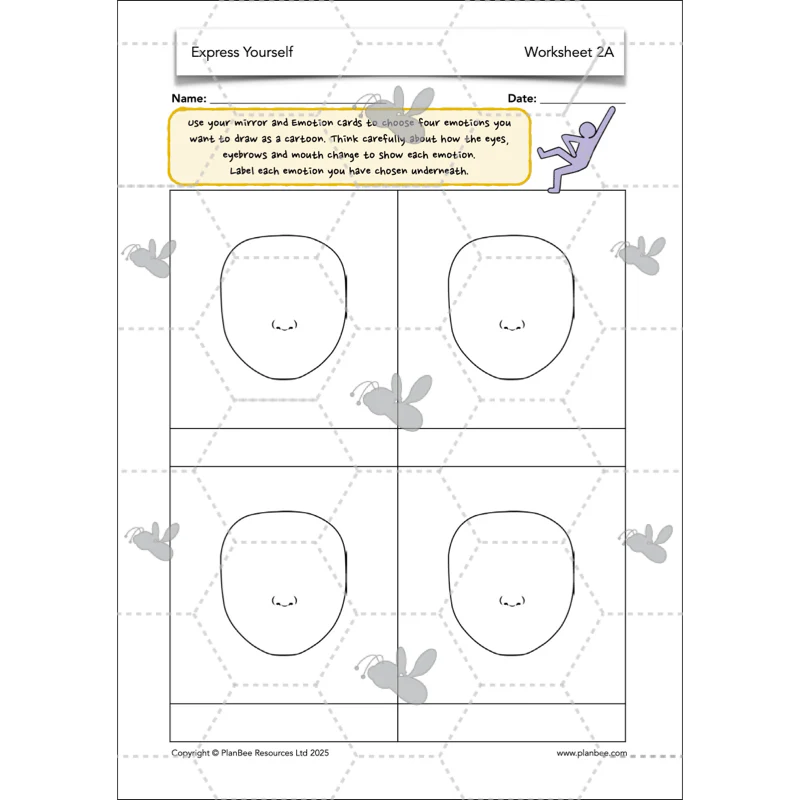
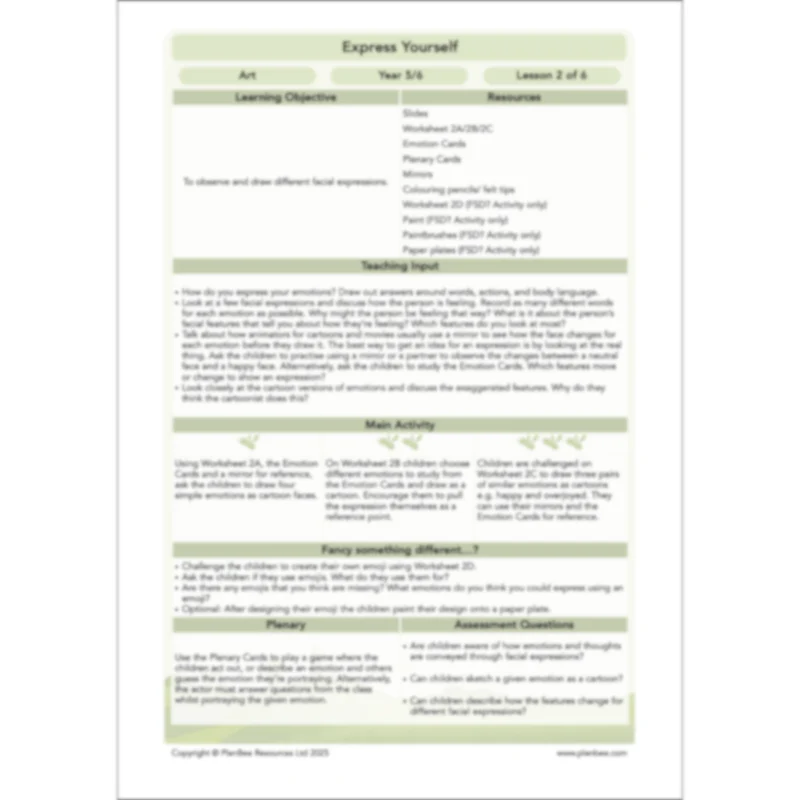
Jump into the world of illustrators and animators and discover how they create their characters’ different emotions. Grab some mirrors with the children and observe how a face changes when showing different emotions and more specifically how the facial features change.
What's included:
- Lesson plan
- Slides
- Activity ideas
- Differentiated worksheets
- Emotion cards
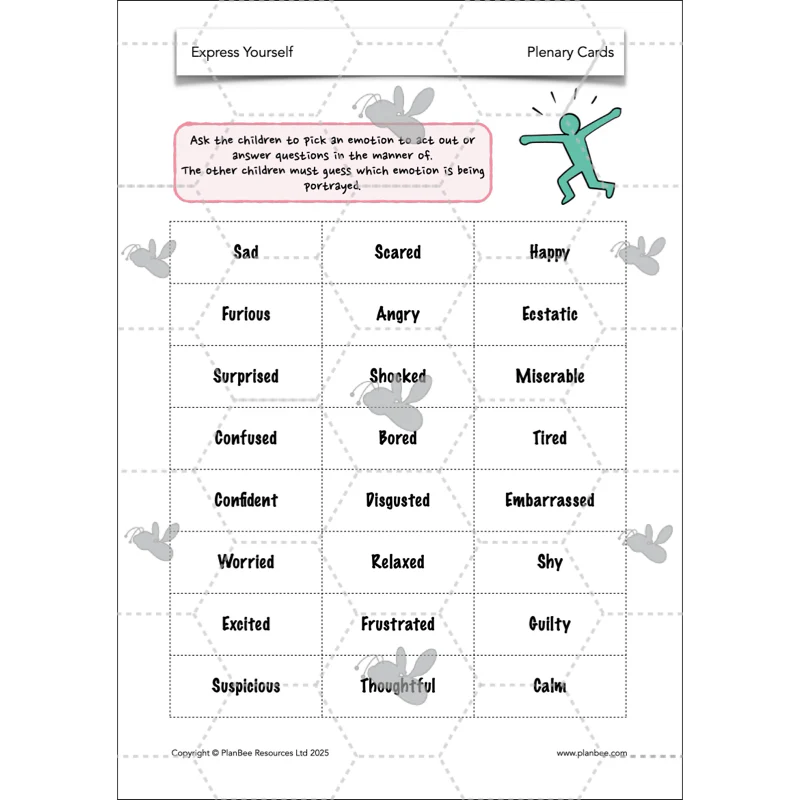
- Plenary cards
Lesson 3: Wire Sculpture
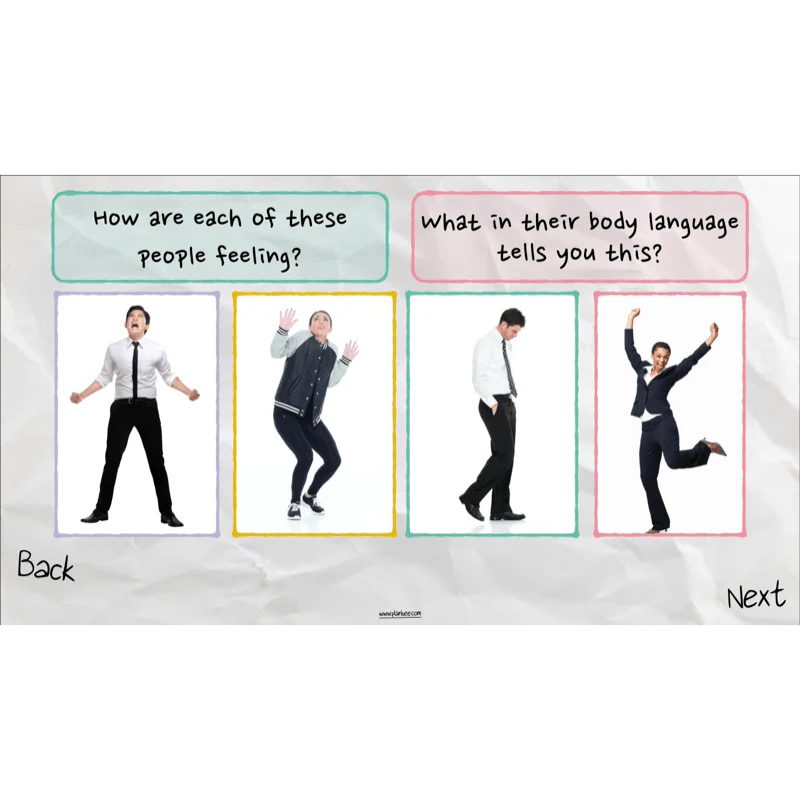
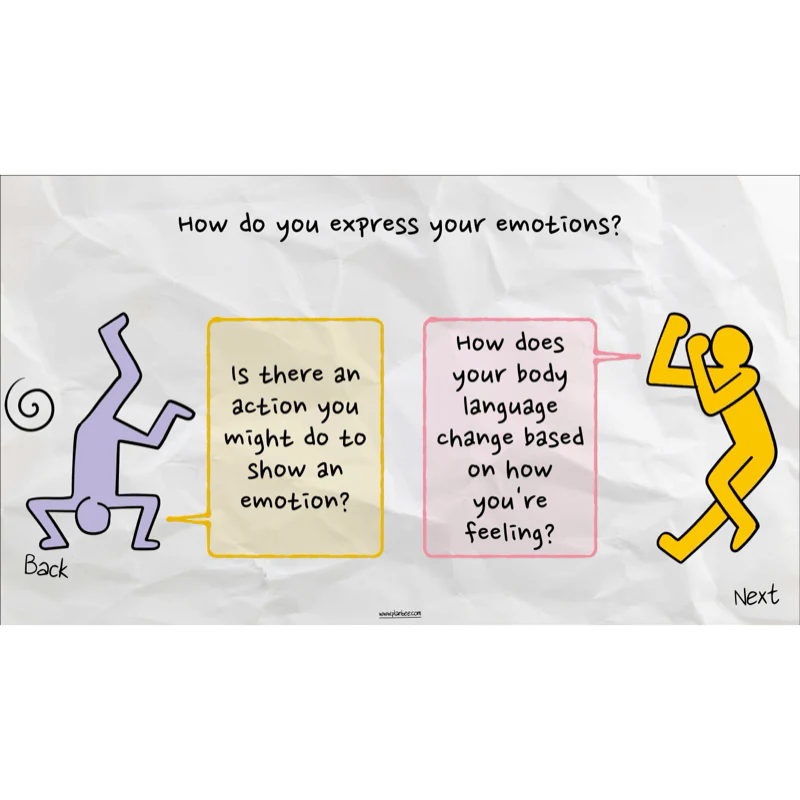
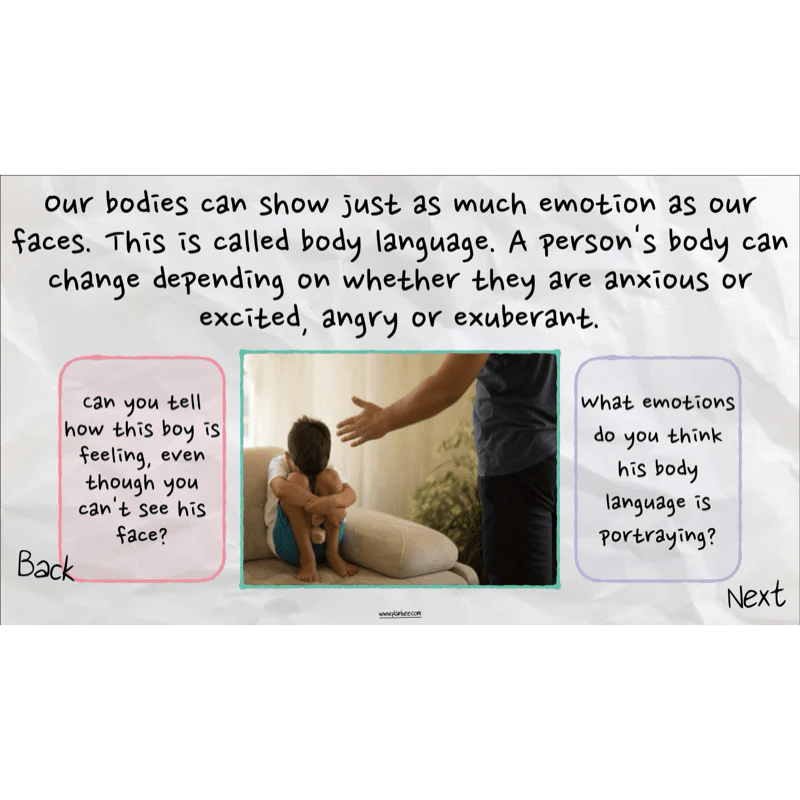
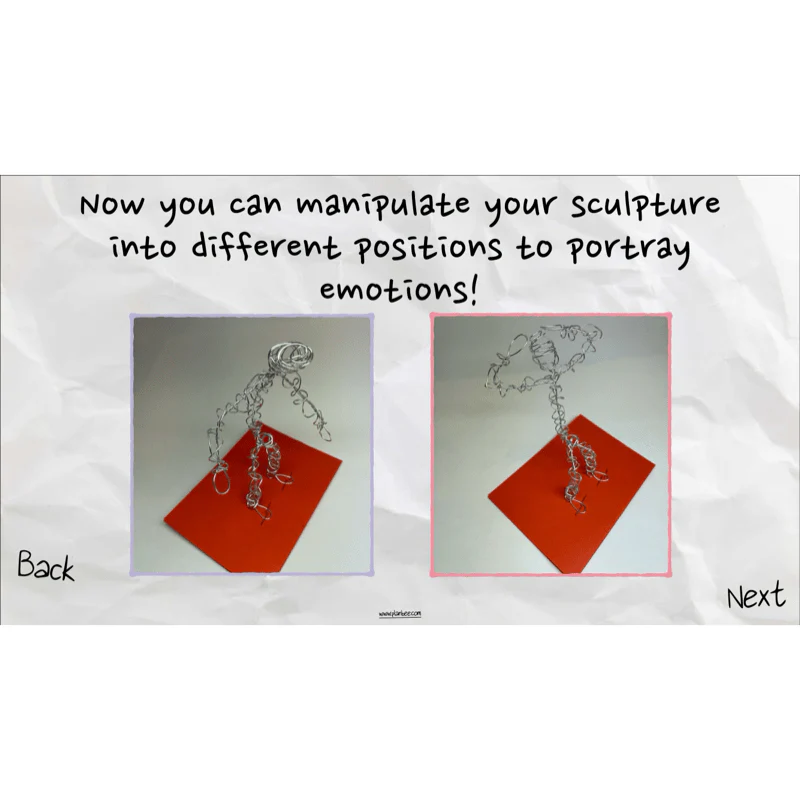
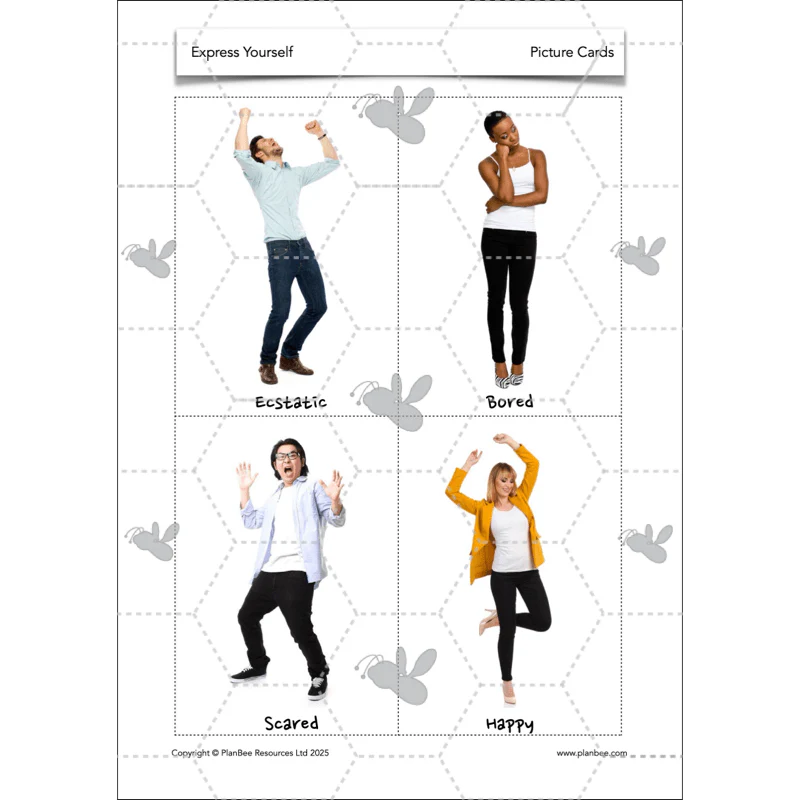
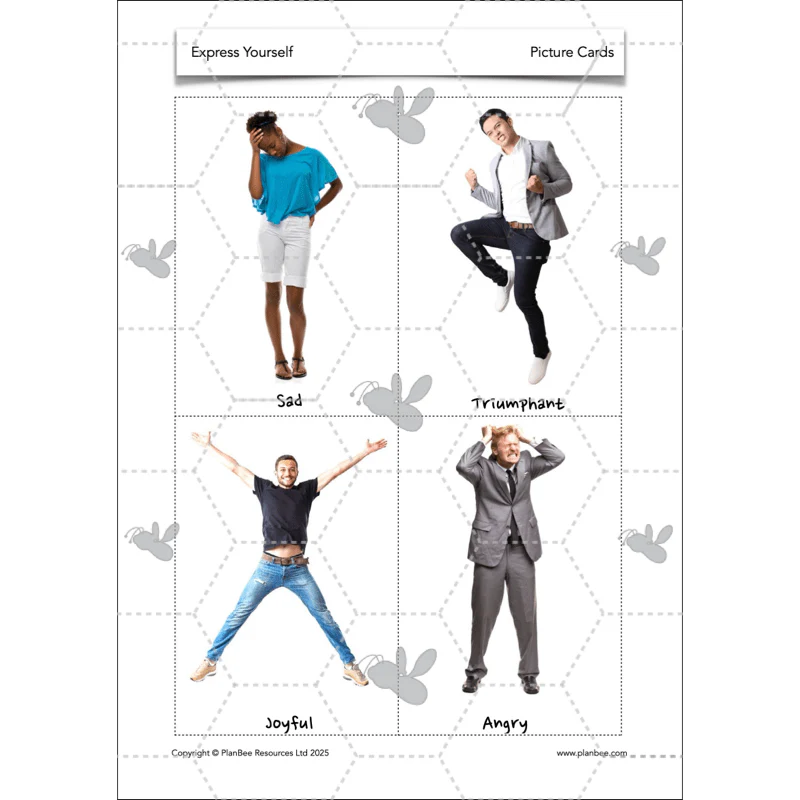
In this lesson, children will learn how to make a wire sculpture person and how to manipulate their wire sculptures to express emotions. They will start by creating a simple person from pipe cleaners and changing their positioning to express happiness and sadness. They will then take a more in-depth look at body language and how we can say things without using words or facial expressions.
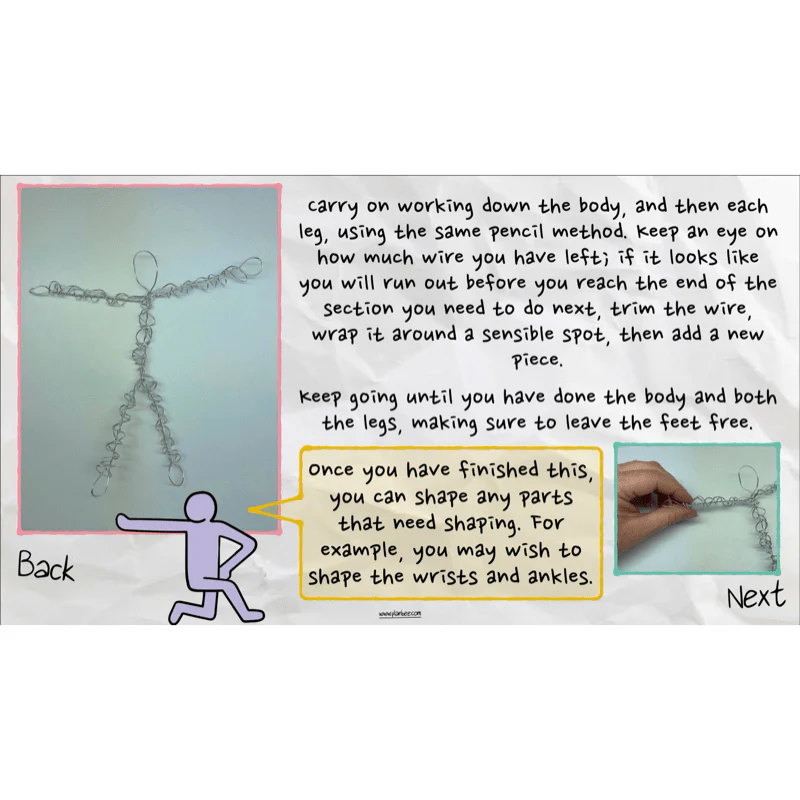
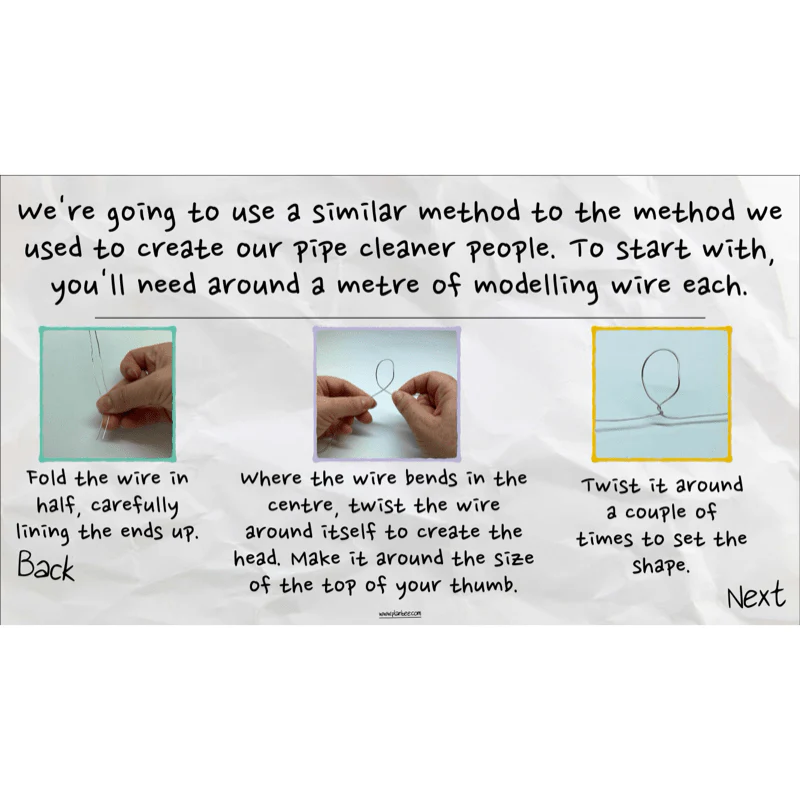
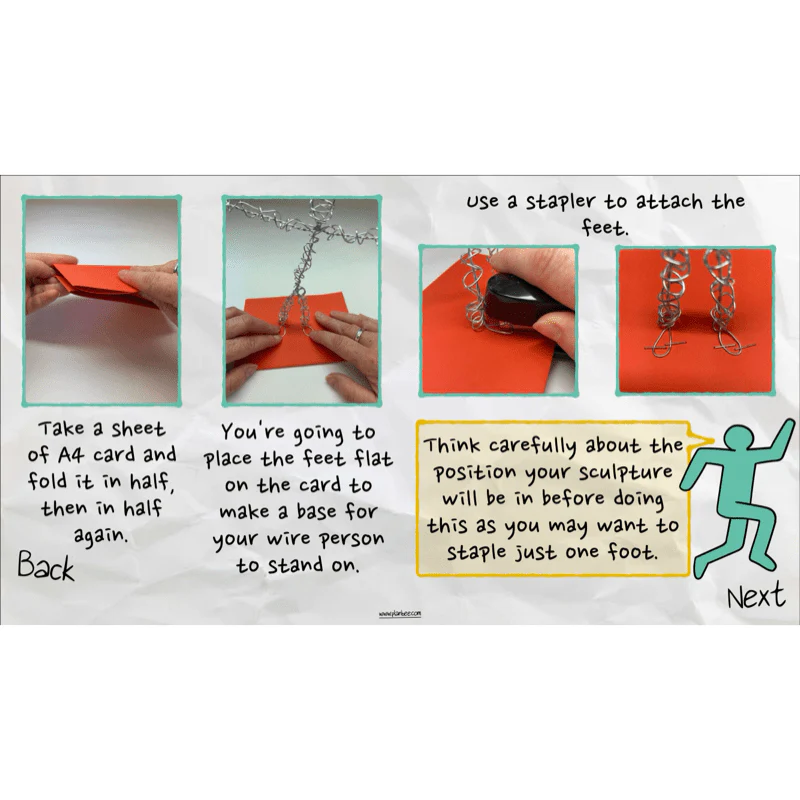
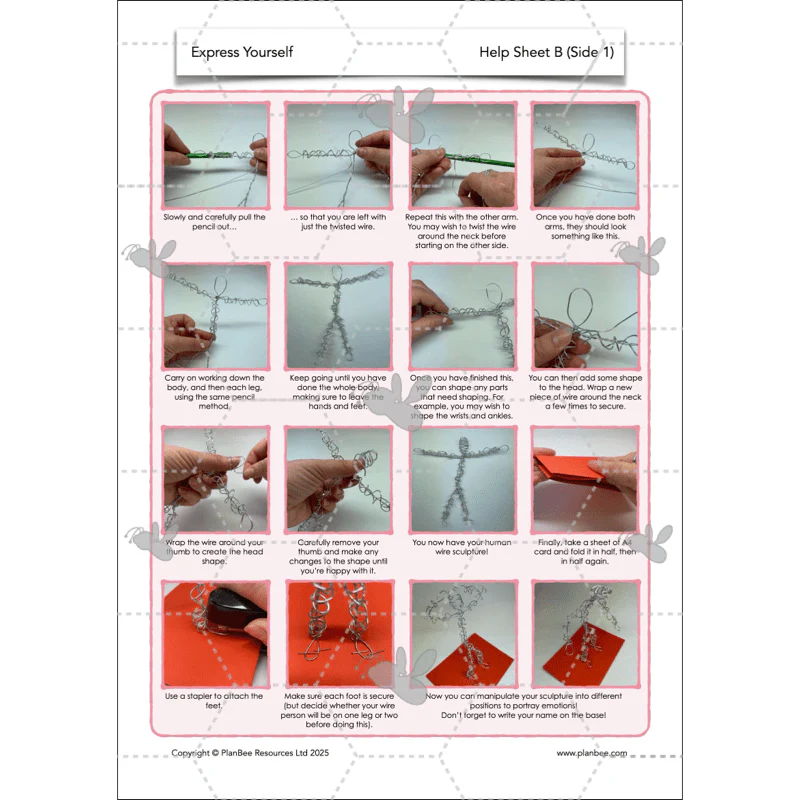
The included slideshow presentation then goes through a step-by-step process for how to make a wire sculpture person using modelling wire, which children can have a go at by themselves during their independent learning activities.
What's included:
- Lesson plan
- Slides
- Activity ideas
- Differentiated help sheets
- Picture cards
- Emotion cards
Lesson 4: Calligram Portraits
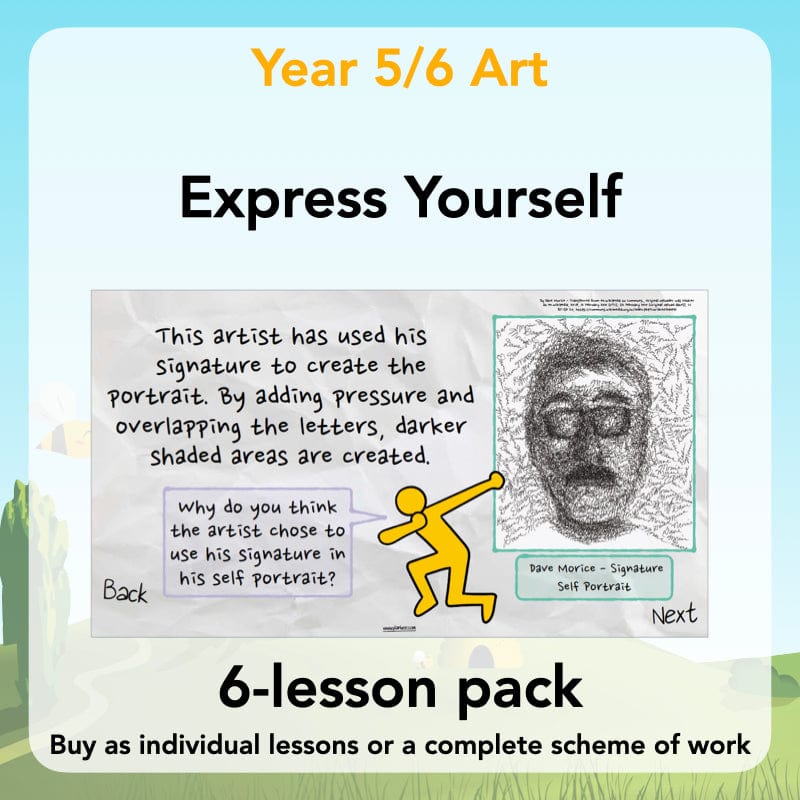
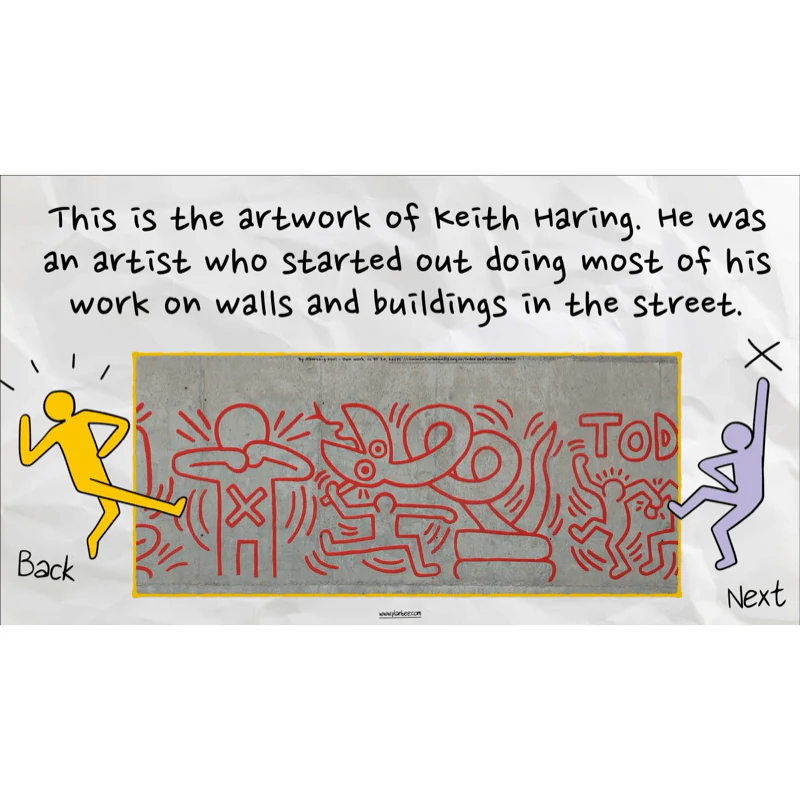
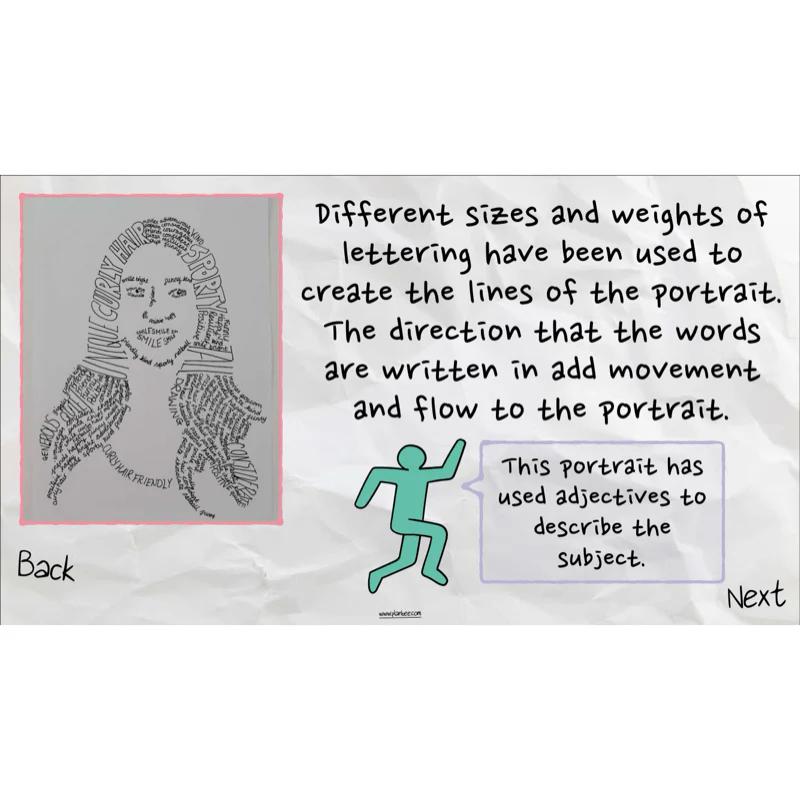
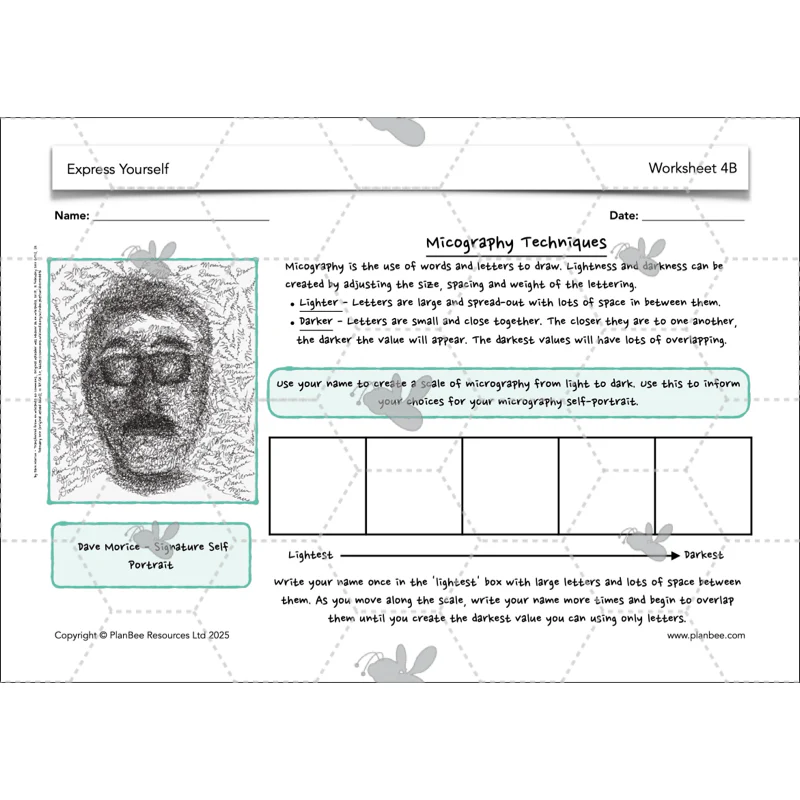
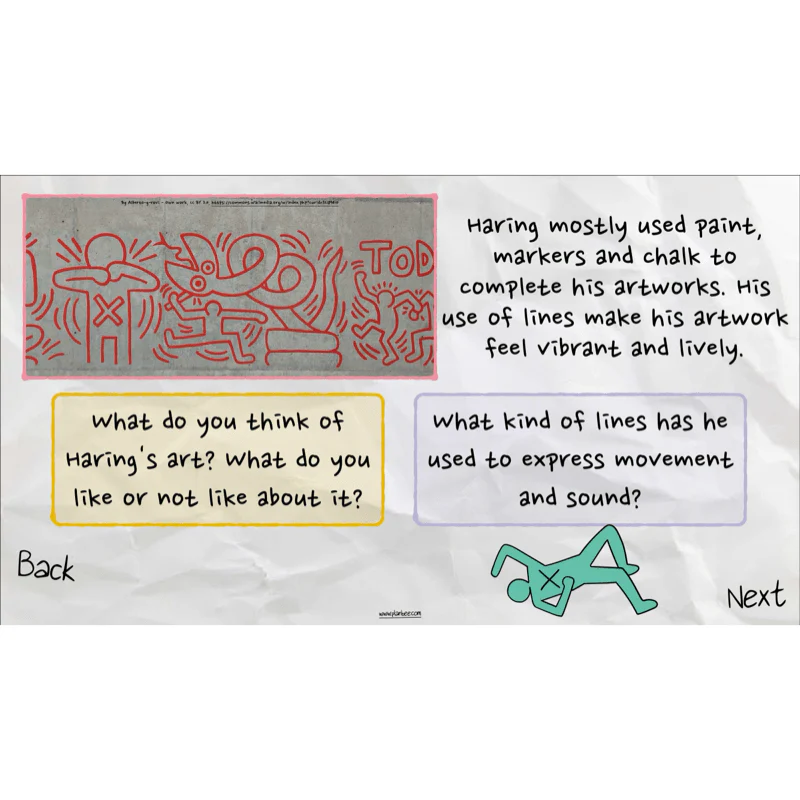
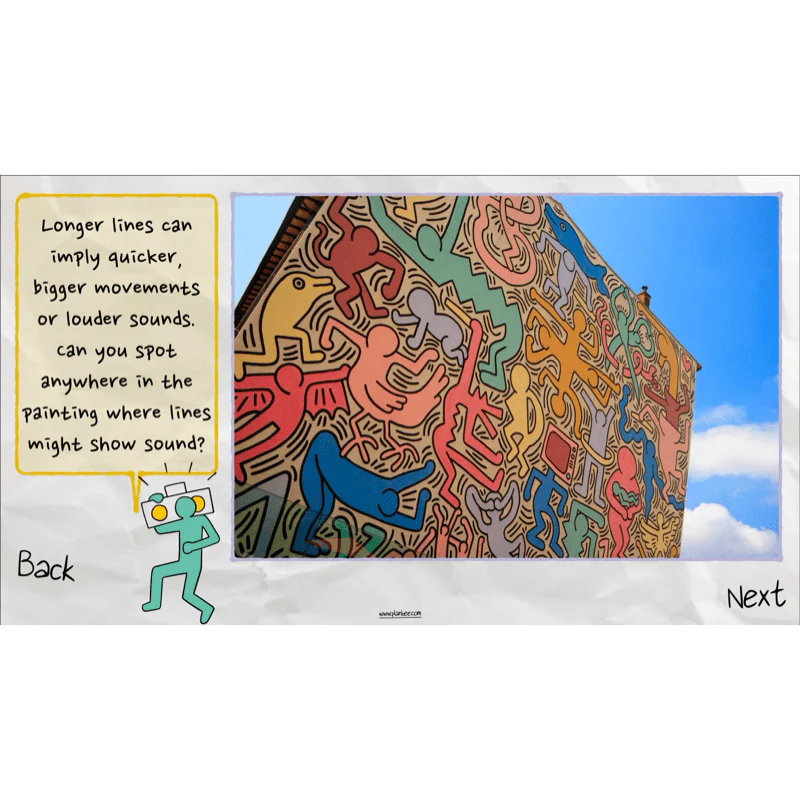
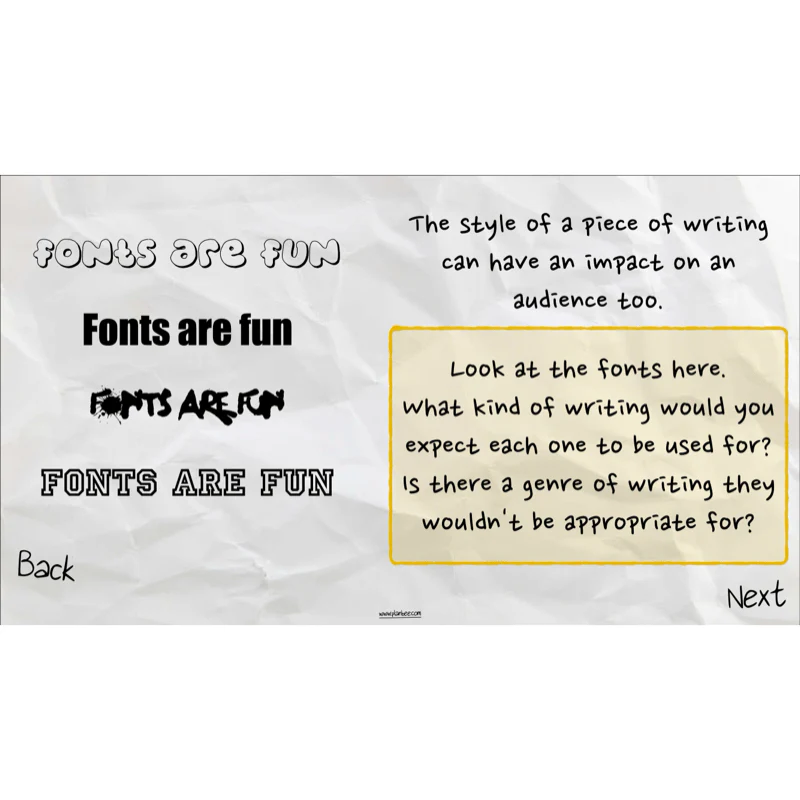
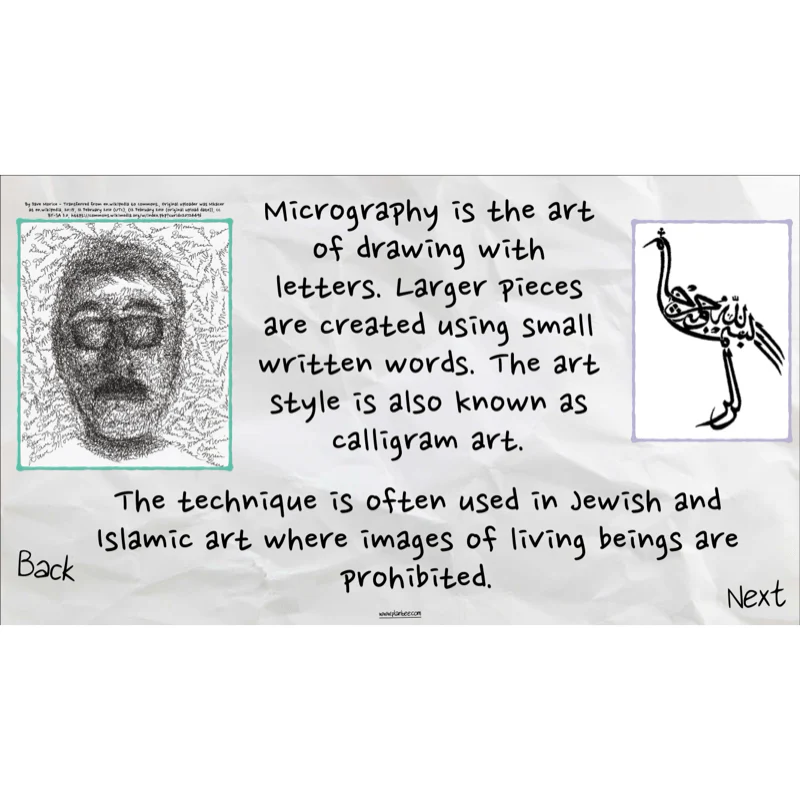
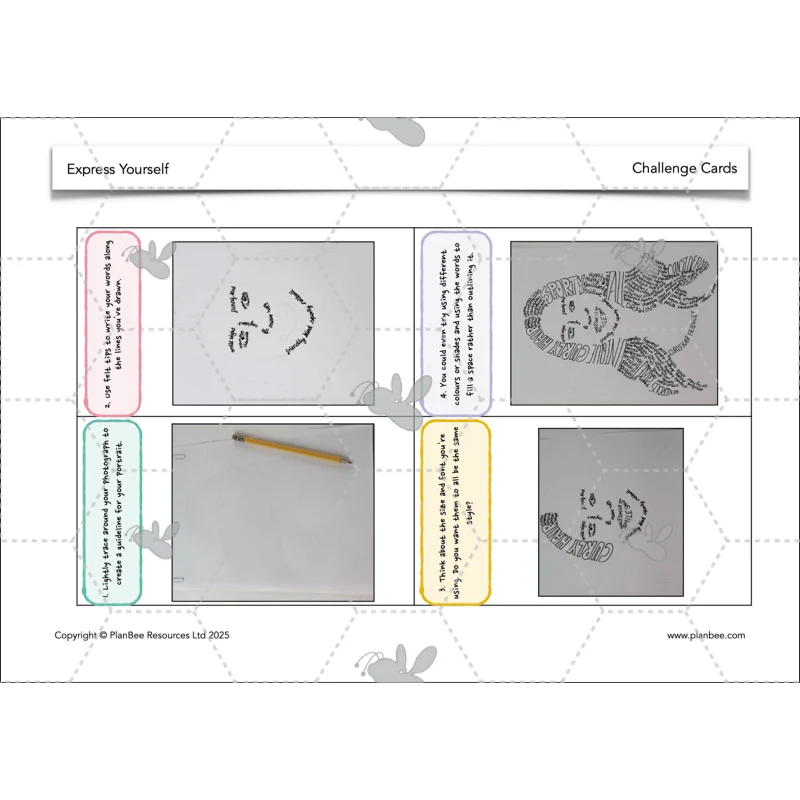
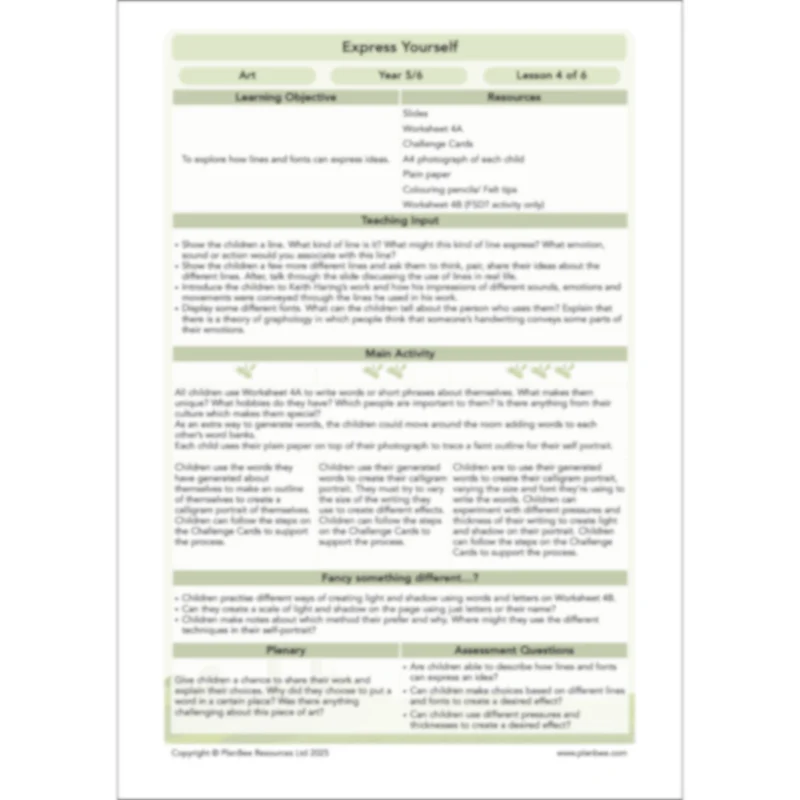
Give your class the chance to explore lines and fonts whilst looking into the artwork of Keith Haring. Discover how the style of a line can express a lot within a piece of artwork and discuss why the children think Haring chose his style of lines. Consolidate the children’s learning by creating stunning calligram self-portraits; a brilliant way for the children to express themselves.
What's included:
- Lesson plan
- Slides
- Activity ideas
- Worksheets
- Challenge cards
Lesson 5: Colour in Art
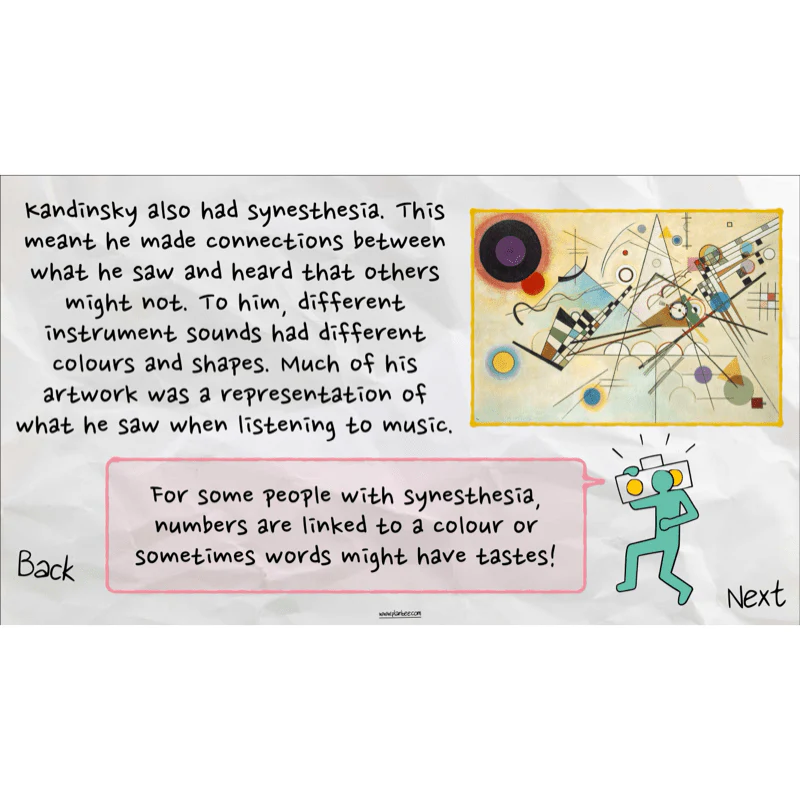
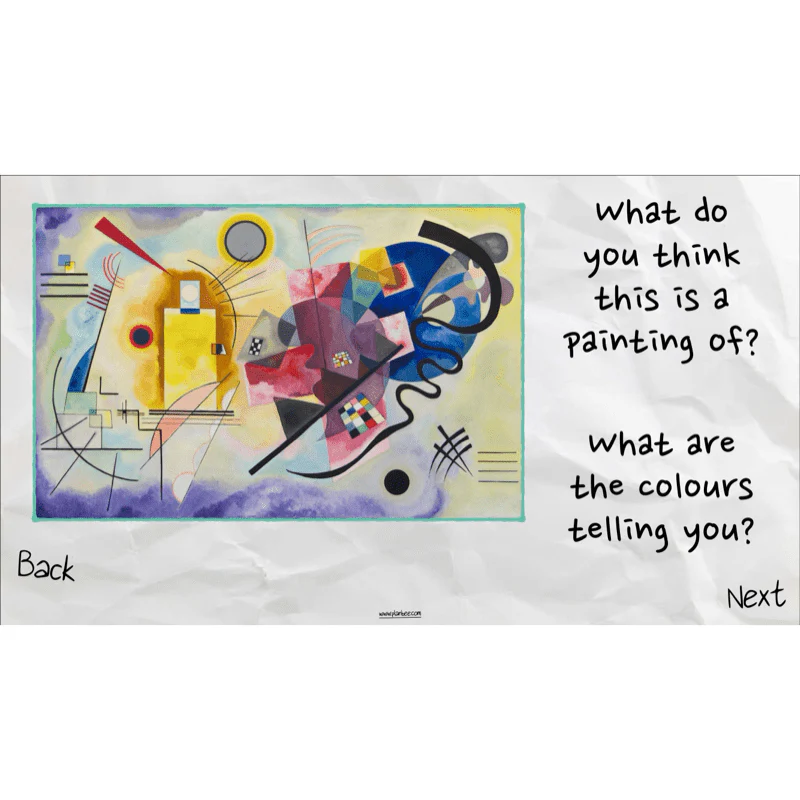
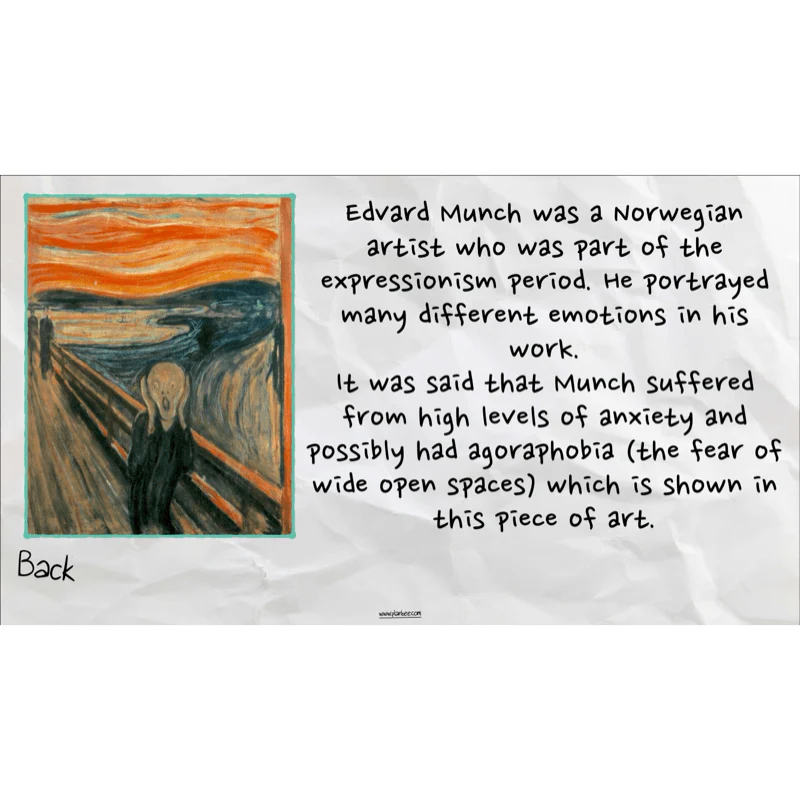
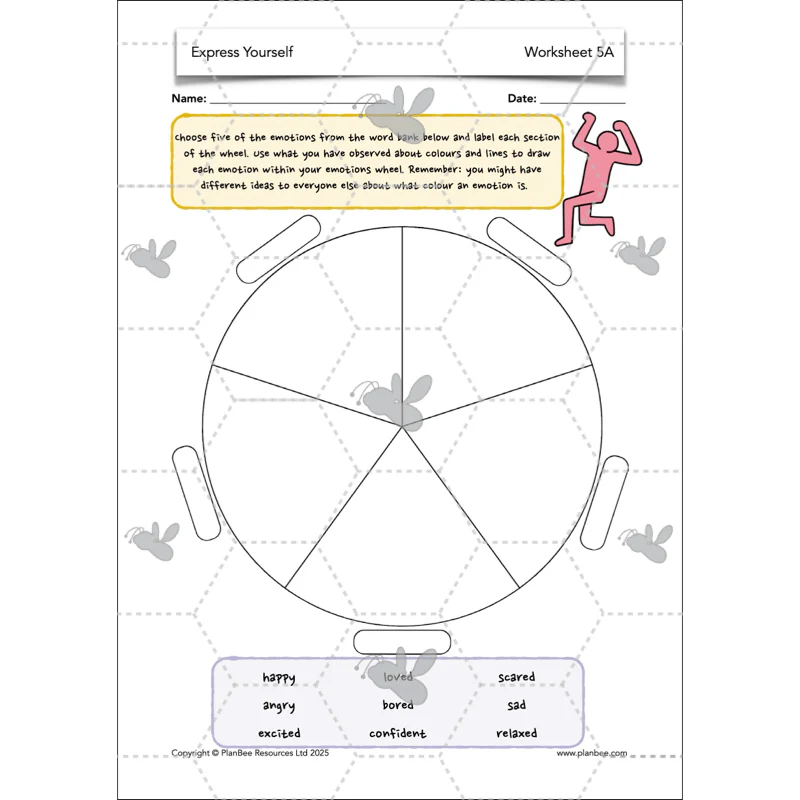
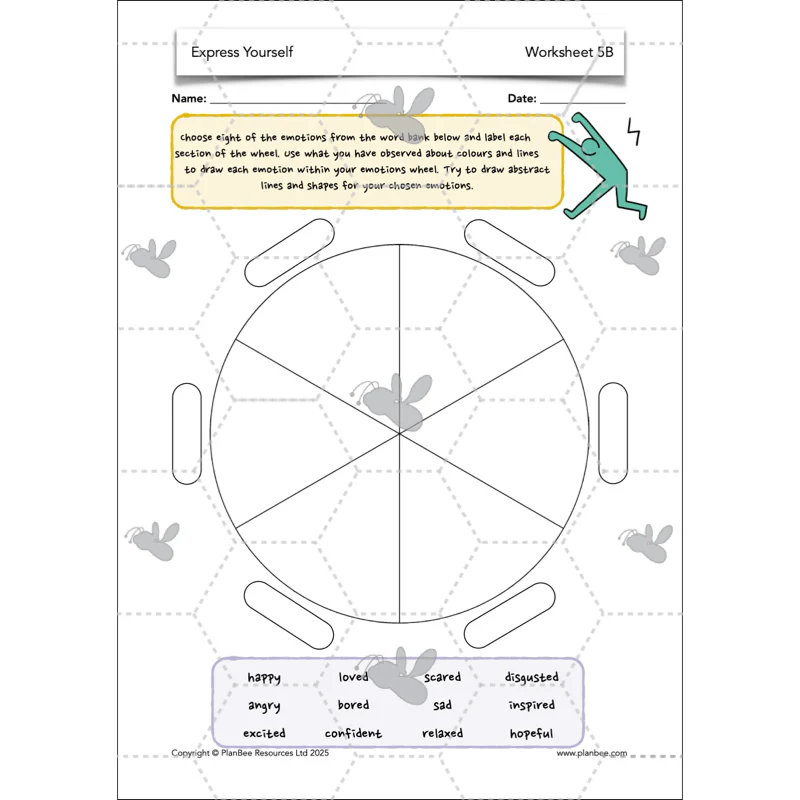
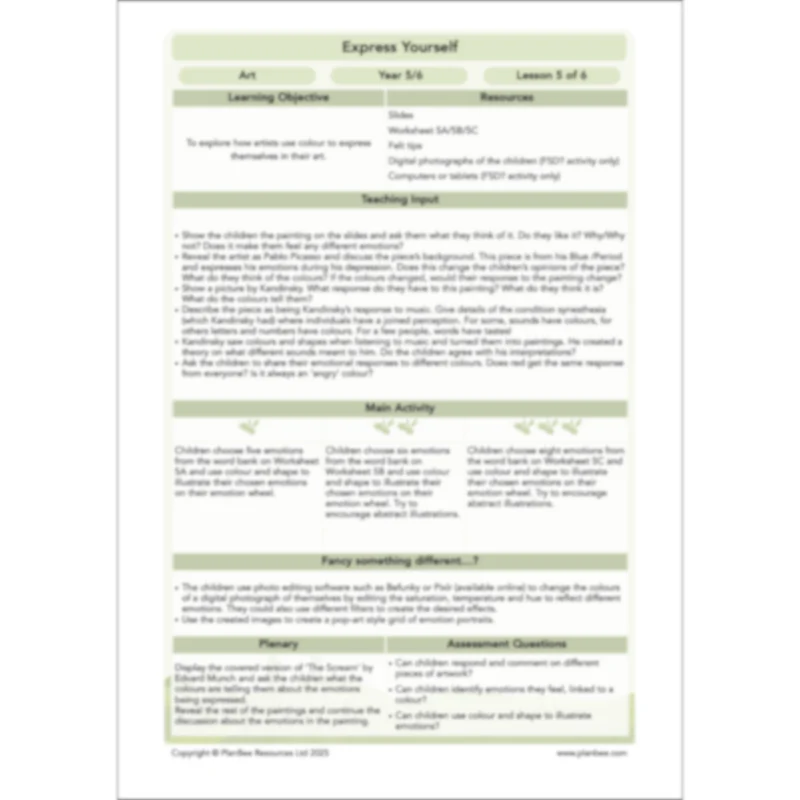
Discover how many different artists have used colour to express themselves through their artwork. Create a discussion with your class over their personal responses to artworks by Picasso, Kandinsky and Munch and how the colours have been used to influence these responses.
What's included:
- Lesson plan
- Slides
- Activity ideas
- Differentiated worksheets
- Challenge cards
Lesson 6: Chuck Close
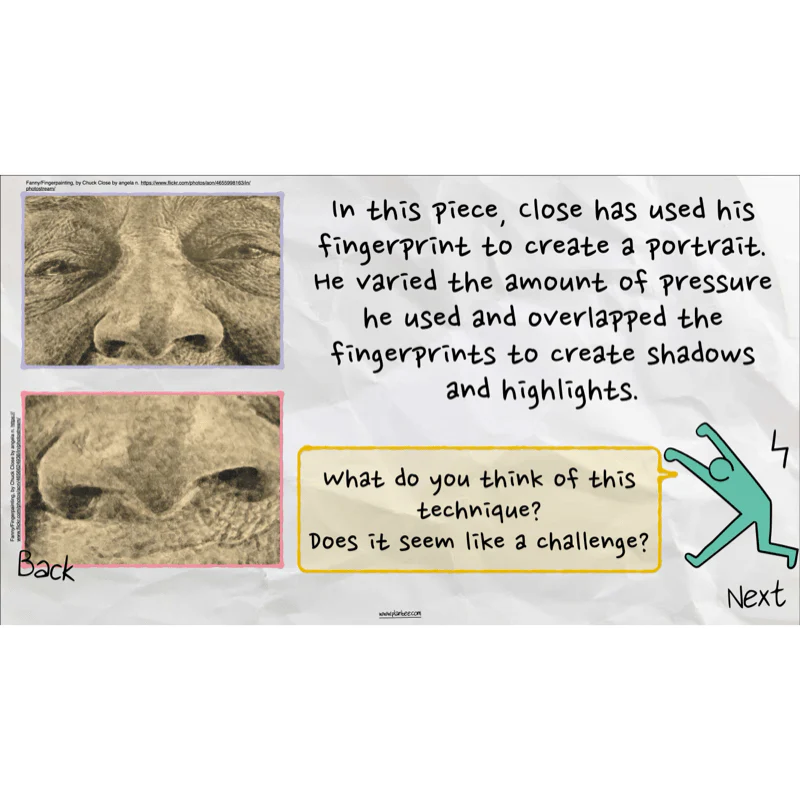
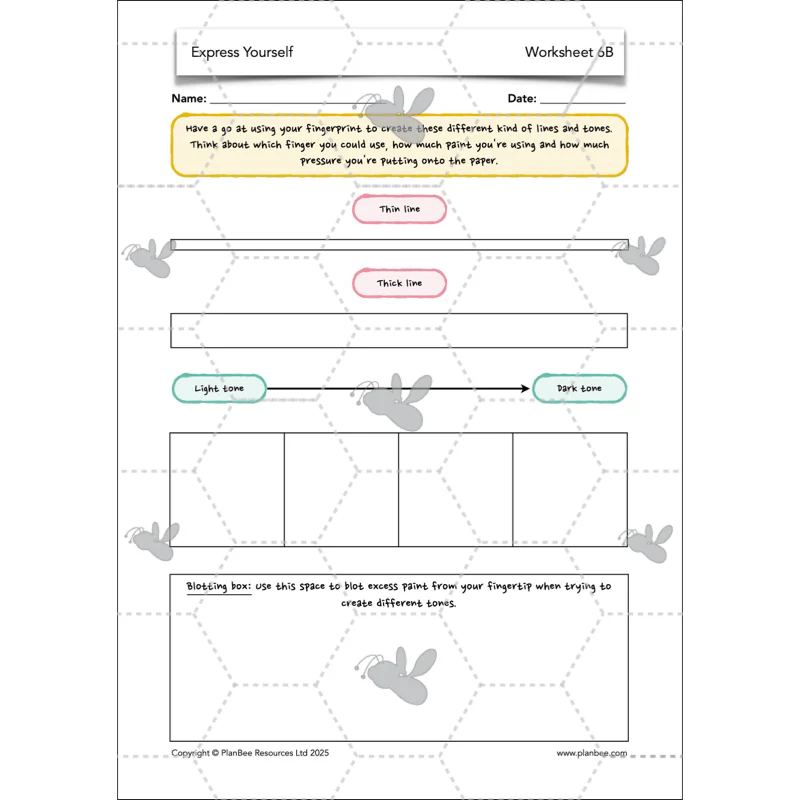
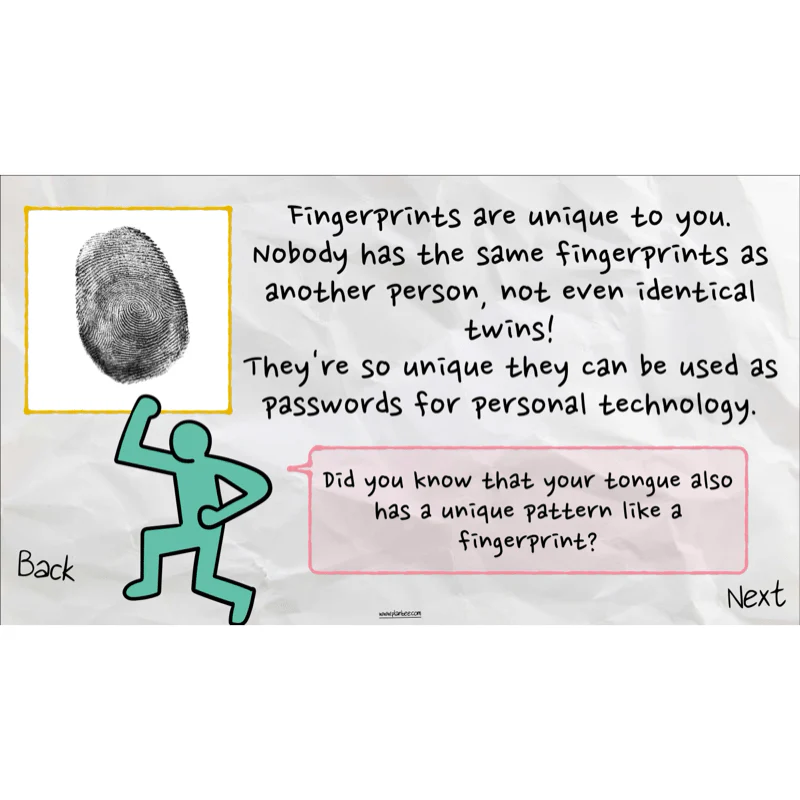
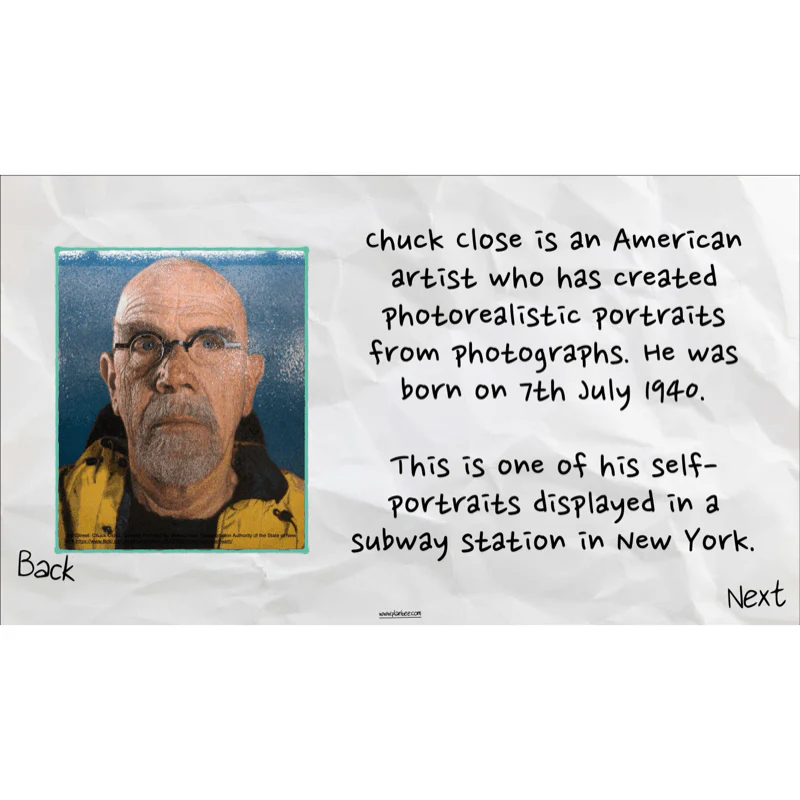
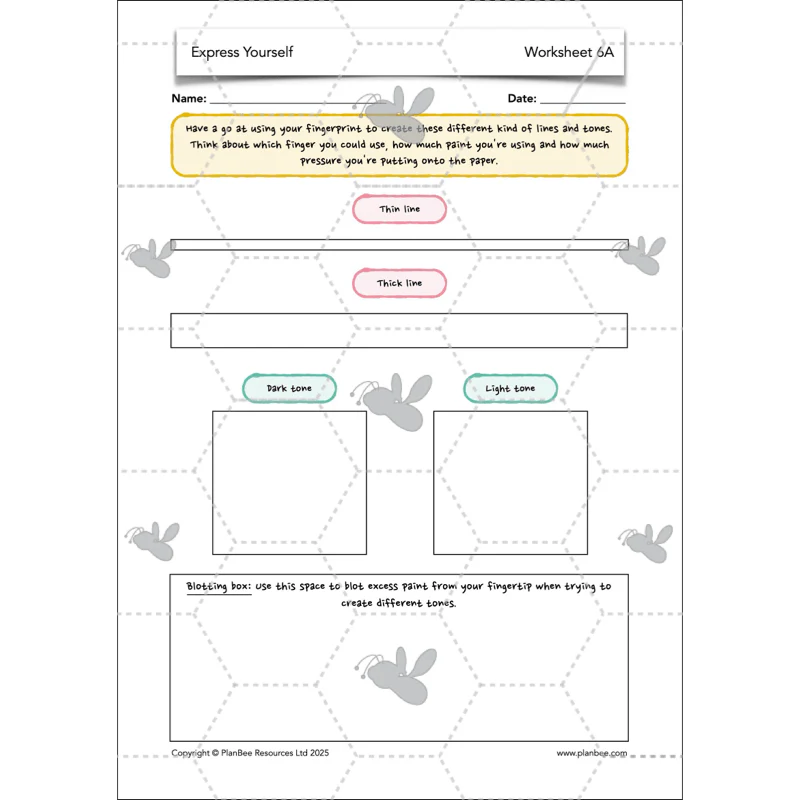
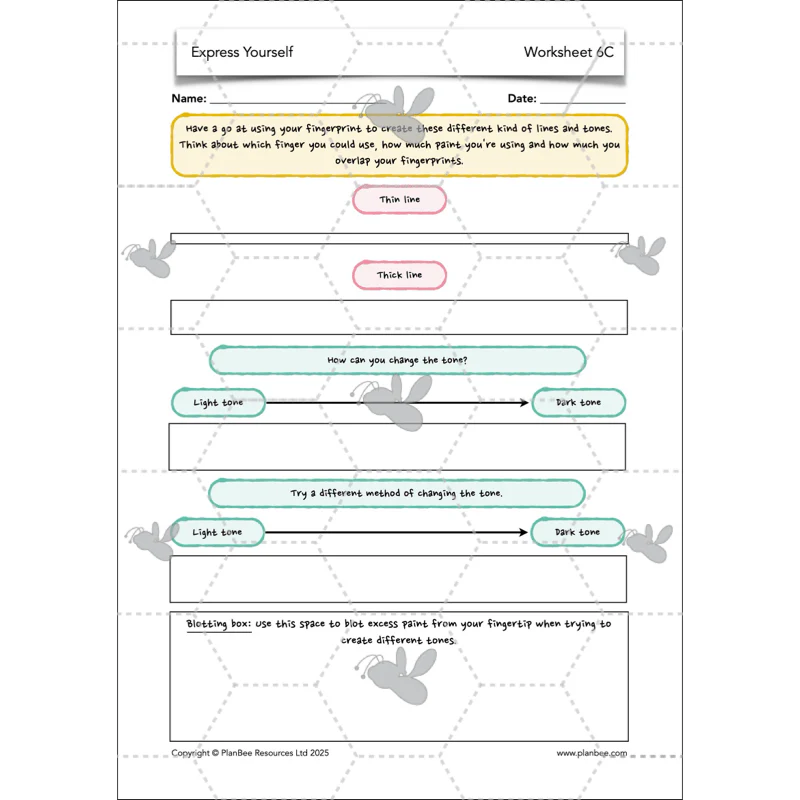
Explore the work of the modern artist Chuck Close, who has many different techniques to create his artwork. Look closely at the huge pieces he created using his fingerprint to make the lines and tones. Allow the children to reflect on his techniques and imitate them in their own self-portrait using fingerprints as their own unique tool.
What's included:
- Lesson plan
- Slides
- Activity ideas
- Differentiated worksheets
Express Yourself: Knowledge Organiser
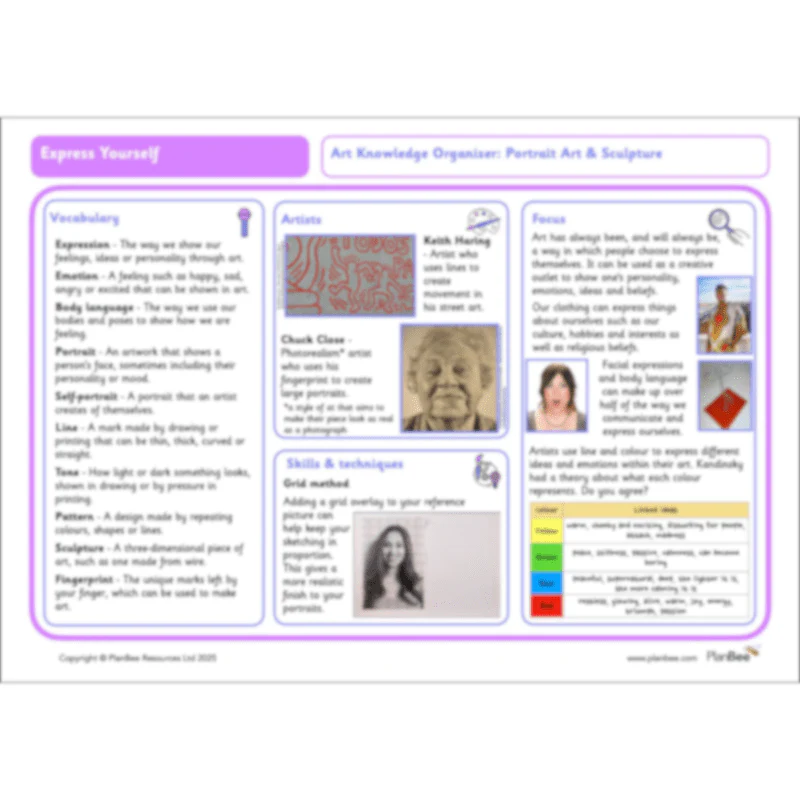
This Year 5/6 Art Knowledge Organiser has been created to complement our Portrait Art strand. It is designed to support your children’s understanding of key vocabulary linked to this scheme of work. Relevant vocabulary and artistic skills have been identified to encourage children to apply their knowledge around this topic.
Original: $1.99
-50%$1.99
$1.00More Images


















Express Yourself
Explore the artistic world of self-expression in this five-lesson Year 5/6 scheme of work. Discover how artists like Kandinsky, Picasso and Munch use different techniques to convey emotions and ideas in their work, all through a series of detailed, engaging lessons (with plans, slideshows, differentiated activities and a range of printable resources) to help your class develop their own artistic skills.
This scheme of work is also part of some different Topic Bundles - Me, Myself and I, Feelings and Emotions and Health. Perfect if you are looking for a cross-curricular approach.
Lesson 1: Clothing
How many different ways can you express yourself? Use this lesson to explore how people express themselves in many different ways. Focus on how clothes can express parts of a person’s personality and interests. Challenge the children to become designers and design outfits to show off their interests and personality.
What's included:
- Lesson plan
- Slides
- Activity ideas
- Differentiated worksheets
- Challenge cards
Lesson 2: Facial Expressions
Jump into the world of illustrators and animators and discover how they create their characters’ different emotions. Grab some mirrors with the children and observe how a face changes when showing different emotions and more specifically how the facial features change.
What's included:
- Lesson plan
- Slides
- Activity ideas
- Differentiated worksheets
- Emotion cards
- Plenary cards
Lesson 3: Wire Sculpture
In this lesson, children will learn how to make a wire sculpture person and how to manipulate their wire sculptures to express emotions. They will start by creating a simple person from pipe cleaners and changing their positioning to express happiness and sadness. They will then take a more in-depth look at body language and how we can say things without using words or facial expressions.
The included slideshow presentation then goes through a step-by-step process for how to make a wire sculpture person using modelling wire, which children can have a go at by themselves during their independent learning activities.
What's included:
- Lesson plan
- Slides
- Activity ideas
- Differentiated help sheets
- Picture cards
- Emotion cards
Lesson 4: Calligram Portraits
Give your class the chance to explore lines and fonts whilst looking into the artwork of Keith Haring. Discover how the style of a line can express a lot within a piece of artwork and discuss why the children think Haring chose his style of lines. Consolidate the children’s learning by creating stunning calligram self-portraits; a brilliant way for the children to express themselves.
What's included:
- Lesson plan
- Slides
- Activity ideas
- Worksheets
- Challenge cards
Lesson 5: Colour in Art
Discover how many different artists have used colour to express themselves through their artwork. Create a discussion with your class over their personal responses to artworks by Picasso, Kandinsky and Munch and how the colours have been used to influence these responses.
What's included:
- Lesson plan
- Slides
- Activity ideas
- Differentiated worksheets
- Challenge cards
Lesson 6: Chuck Close
Explore the work of the modern artist Chuck Close, who has many different techniques to create his artwork. Look closely at the huge pieces he created using his fingerprint to make the lines and tones. Allow the children to reflect on his techniques and imitate them in their own self-portrait using fingerprints as their own unique tool.
What's included:
- Lesson plan
- Slides
- Activity ideas
- Differentiated worksheets
Express Yourself: Knowledge Organiser
This Year 5/6 Art Knowledge Organiser has been created to complement our Portrait Art strand. It is designed to support your children’s understanding of key vocabulary linked to this scheme of work. Relevant vocabulary and artistic skills have been identified to encourage children to apply their knowledge around this topic.
Product Information
Product Information
Shipping & Returns
Shipping & Returns
Description
Explore the artistic world of self-expression in this five-lesson Year 5/6 scheme of work. Discover how artists like Kandinsky, Picasso and Munch use different techniques to convey emotions and ideas in their work, all through a series of detailed, engaging lessons (with plans, slideshows, differentiated activities and a range of printable resources) to help your class develop their own artistic skills.
This scheme of work is also part of some different Topic Bundles - Me, Myself and I, Feelings and Emotions and Health. Perfect if you are looking for a cross-curricular approach.
Lesson 1: Clothing
How many different ways can you express yourself? Use this lesson to explore how people express themselves in many different ways. Focus on how clothes can express parts of a person’s personality and interests. Challenge the children to become designers and design outfits to show off their interests and personality.
What's included:
- Lesson plan
- Slides
- Activity ideas
- Differentiated worksheets
- Challenge cards
Lesson 2: Facial Expressions
Jump into the world of illustrators and animators and discover how they create their characters’ different emotions. Grab some mirrors with the children and observe how a face changes when showing different emotions and more specifically how the facial features change.
What's included:
- Lesson plan
- Slides
- Activity ideas
- Differentiated worksheets
- Emotion cards
- Plenary cards
Lesson 3: Wire Sculpture
In this lesson, children will learn how to make a wire sculpture person and how to manipulate their wire sculptures to express emotions. They will start by creating a simple person from pipe cleaners and changing their positioning to express happiness and sadness. They will then take a more in-depth look at body language and how we can say things without using words or facial expressions.
The included slideshow presentation then goes through a step-by-step process for how to make a wire sculpture person using modelling wire, which children can have a go at by themselves during their independent learning activities.
What's included:
- Lesson plan
- Slides
- Activity ideas
- Differentiated help sheets
- Picture cards
- Emotion cards
Lesson 4: Calligram Portraits
Give your class the chance to explore lines and fonts whilst looking into the artwork of Keith Haring. Discover how the style of a line can express a lot within a piece of artwork and discuss why the children think Haring chose his style of lines. Consolidate the children’s learning by creating stunning calligram self-portraits; a brilliant way for the children to express themselves.
What's included:
- Lesson plan
- Slides
- Activity ideas
- Worksheets
- Challenge cards
Lesson 5: Colour in Art
Discover how many different artists have used colour to express themselves through their artwork. Create a discussion with your class over their personal responses to artworks by Picasso, Kandinsky and Munch and how the colours have been used to influence these responses.
What's included:
- Lesson plan
- Slides
- Activity ideas
- Differentiated worksheets
- Challenge cards
Lesson 6: Chuck Close
Explore the work of the modern artist Chuck Close, who has many different techniques to create his artwork. Look closely at the huge pieces he created using his fingerprint to make the lines and tones. Allow the children to reflect on his techniques and imitate them in their own self-portrait using fingerprints as their own unique tool.
What's included:
- Lesson plan
- Slides
- Activity ideas
- Differentiated worksheets
Express Yourself: Knowledge Organiser
This Year 5/6 Art Knowledge Organiser has been created to complement our Portrait Art strand. It is designed to support your children’s understanding of key vocabulary linked to this scheme of work. Relevant vocabulary and artistic skills have been identified to encourage children to apply their knowledge around this topic.